Sunday, 11 October 2026

Wearables use AI and temp dips to reveal cycle timing

From ring sensors to wellness charts, the newest wearables are using temperature data and AI to map hormonal changes beyond simple period tracking.

Oura Ring, related to: Wearables use AI and temp dips to reveal cycle timing
Photo: Kyu3a / CC BY-SA 4.0 (modified)

The short version

  • Wearables are adding hormone-aware tracking using overnight temperature shifts and AI models trained on reproductive data.
  • Oura, Ultrahuman, Whoop and Apple Watch are among the leaders, each with different approaches to cycle and hormone insights.
  • Some features require paid add-ons or aren’t FDA-cleared; outcomes are wellness tools, not clinical diagnostics.
Quick read · 1 min

Wearables aren’t just counting steps anymore. They’re using temperature data and AI to map hormonal changes and cycles. Oura leads with menopause insights, Ultrahuman offers a high-accuracy ovulation tool as a paid option, Whoop combines many biomarkers for cycle predictions, and Apple Watch relies on health data in the iPhone ecosystem. These tools are wellness aids, not medical devices, and some features require subscriptions or are US-only.

What this means for you: if you already wear one of these devices, you might gain a clearer view of how hormones affect energy, sleep and mood. If you’re curious, start with what you already own and consider whether you want additional features from a paid plan. For medical decisions, talk to a clinician.

  • Oura: Menopause Insights and AI-advisor
  • Ultrahuman: Cycle & Ovulation Pro adds a high-accuracy ovulation model
  • Whoop: Hormonal Insights plus a 81-biomarker health panel
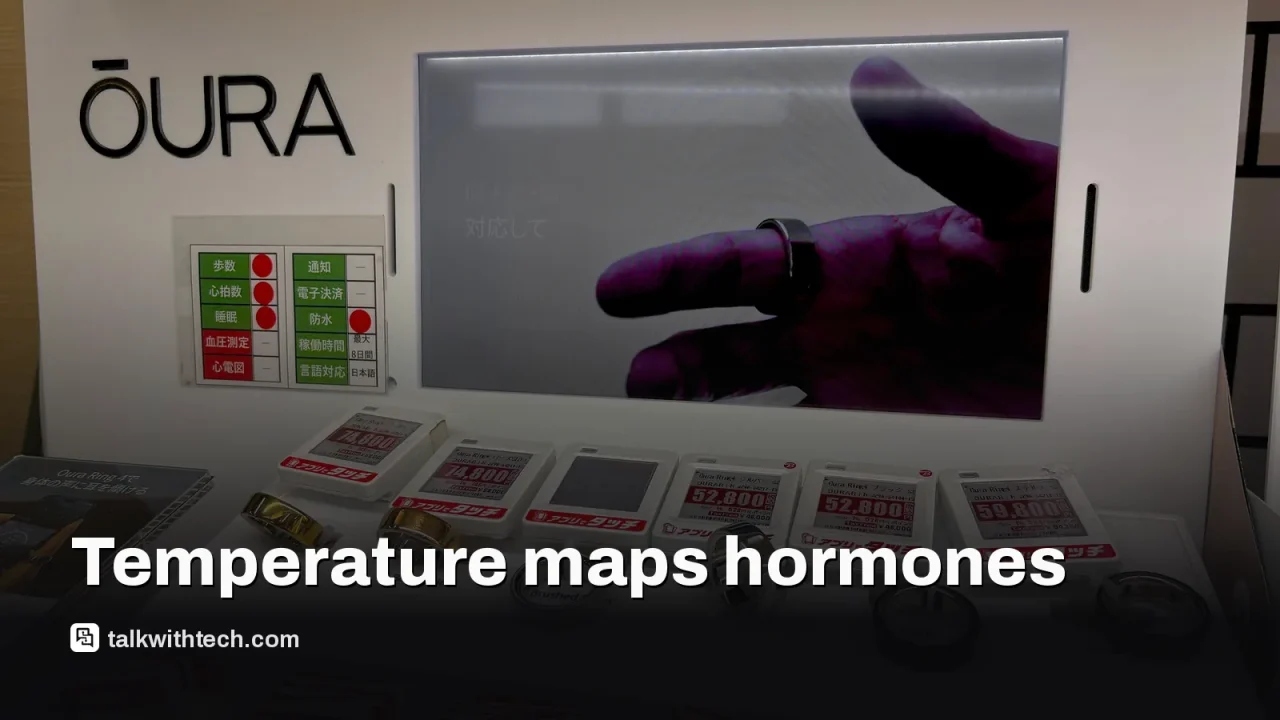
Wearables have quietly evolved from counting steps to watching hormones. The latest wave of devices uses overnight body temperature and AI-driven models to infer where you are in your cycle and how hormones may be affecting your daily life. It’s not just a calendar anymore; it’s a mix of data points that aim to give a clearer picture of reproductive health.

In this space, several players stand out for different reasons. Here’s what each leader offers and how it could fit into your health routine.

01

Oura: temperature-led insights with a menopause focus

Oura is widely cited as a pioneer in integrating hormonal health into wearable data. Its approach goes beyond predicting next period by tying long-term biometric trends to a specific hormone-related question: how do symptoms affect quality of life and daily functioning? With Menopause Insights, Oura combines questionnaire responses with temperature and other data to explain symptom patterns over time. It also supports an AI-powered advisor to help interpret your cycle data.

Apple Watch, related to: Wearables use AI and temp dips to reveal cycle timing
Photo: whity / CC BY 2.0 (modified)
02

Ultrahuman: a premium push on ovulation accuracy

Ultrahuman’s Ring Air and Ring Pro collect temperature data to map your cycle, and it offers a paid Cycle & Ovulation Pro PowerPlug that aims to confirm ovulation with more than 90% accuracy. The Pro leverages a medical-grade algorithm from viO HealthTech, adapted from years of data. It’s designed for people who don’t fit a textbook 28-day cycle, including those with conditions like PCOS or endometriosis. It’s important to note that Ultrahuman’s Pro is a wellness tool, not a medical device, and it isn’t FDA-cleared for contraception.

03

Whoop: a lab-heavy approach to hormonal signals

Whoop leans into its lab-tested vibe, offering Hormonal Symptom Insights and Predictions that tailor cycle forecasts to you as they learn. Its Women’s Health panel expands to include 81 biomarkers, tested at Quest Diagnostics, though some testing and features are US-only. The model grows with your data, accounting for irregular cycles, perimenopause and hormonal birth control in its forecasts.

A wearable smart ring on a finger showing a digital readout
04

Apple Watch and the broader Health approach

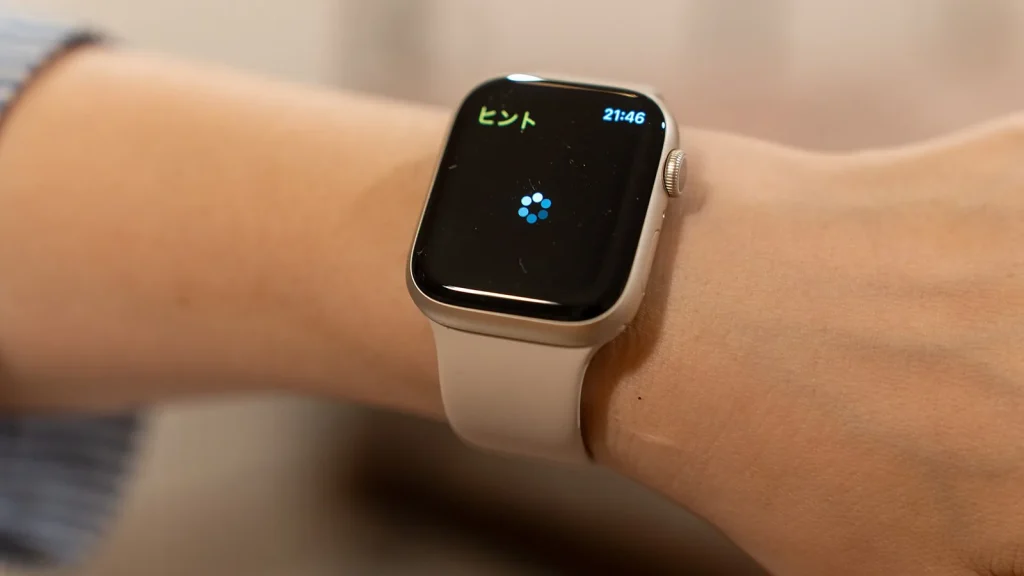
Apple’s Cycle Tracking in the Health app logs periods, symptoms, spotting and basal body temperature, then projects a future period window. It’s a more cautious approach compared with ring-based wearables but benefits from smooth integration with iPhone health data, which many people already use daily.

05

What this means for everyday users

For most people, these wearables offer a more nuanced view of hormonal health without extra gadgets. If you already wear a ring or a smartwatch, you can start seeing trends like how your cycle aligns with sleep quality, heart rate variability or energy levels. The tools are meant to inform you and guide conversations with healthcare professionals, not replace medical advice. Some features require a subscription or aren’t available outside the US yet, and not all components are FDA-cleared or intended for contraception.

06

What happens next

The trend is clear: more brands are building AI-assisted, hormone-aware capabilities into wearables, with partnerships and deeper data modeling expanding the options. If you’re curious about trying these tools, check whether your current wearable supports cycle tracking and whether you’re comfortable with any optional paid features. Always bring any unusual symptoms to your clinician, especially if you’re dealing with conditions like PCOS or perimenopause.

07

Quick answers

Which wearable should I choose for hormone tracking?

It depends on what you already wear and how deep you want the data to go. Oura focuses on long-term trends with menopause insights, Ultrahuman adds a strong ovulation component with a paid Pro option, Whoop ties in many biomarkers and learning models, and Apple Watch integrates with your iPhone health data.

Are these medical devices?

Most are wellness tools, not medical devices. They can help you spot patterns, but they aren’t substitutes for testing or a diagnosis by a clinician.

You're reading the quick version.