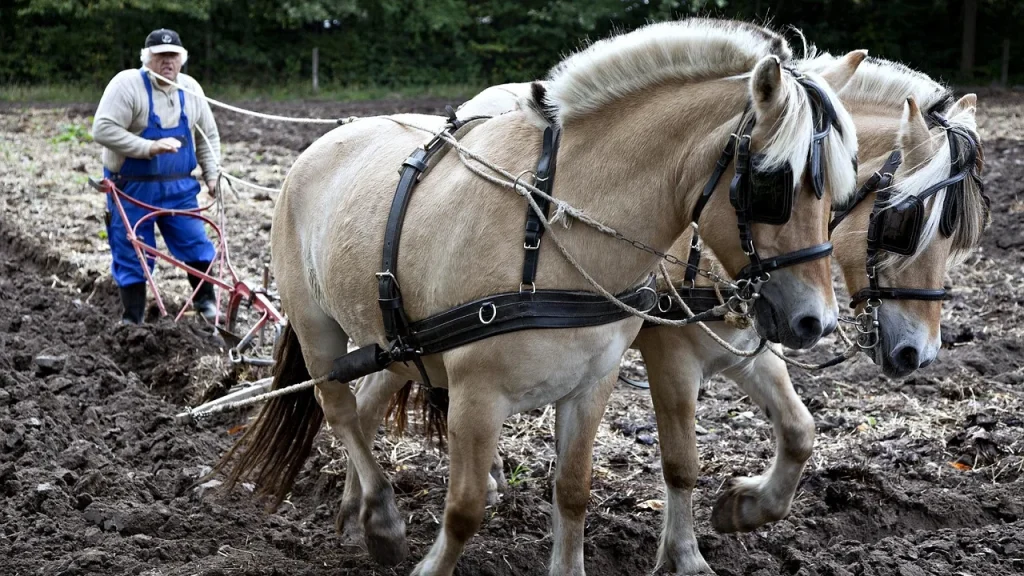
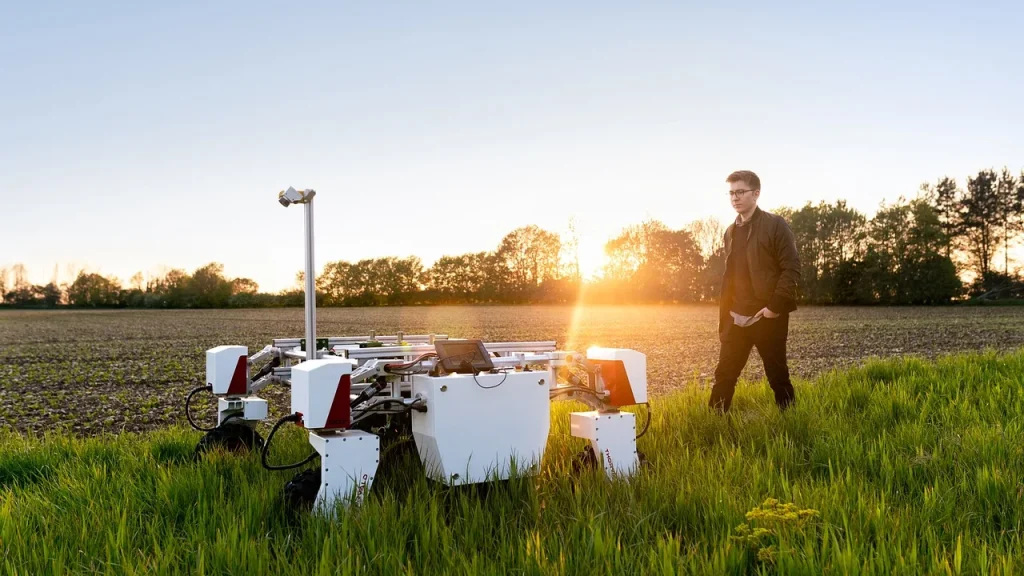
Panelists at Edmonton Startup Week argue AgTech is well positioned to drive a new wave of tech due to fast validation and wide opportunities across the value chain.
Experts highlighted fields like AI, data, biotech, and robotics as areas where AgTech can address concrete, real-world problems.
Panelists see AgTech as a proving ground that could help founders transition to other advanced tech sectors.
Collaborating with producers and cross-sector partnerships is seen as essential to speeding innovation.
Quick read · 1 min
At Edmonton Startup Week, a panel of founders and researchers argued that agricultural technology could spark a new wave of tech innovation. They cited AgTech’s practical demand, fast validation, and broad opportunities as the biggest strengths.
Why it matters: AgTech could accelerate progress in AI, data, biotech, and robotics, with farmers serving as ready testers and customers. It could also help tech teams prove concepts quickly before moving into more regulated spaces.
What happens next: look for more collaboration between startups and producers, and a push to turn farm-tested ideas into broader commercial tools across industries.
Edmonton is being positioned as a proving ground for a potential tech wave driven by agriculture technology. At Edmonton Startup Week, a panel of founders and researchers described AgTech as having strong real-world demand, fewer initial regulatory hurdles, and a track record of rapid on-site testing that could boost progress in AI, robotics, and biotech.
Douglas Mills, who works with a national hub focused on agri-tech innovation, said the sector has unique momentum for growth. He noted that AgTech tackles broad problems across farming, supply chains, and processing, making it appealing to startups looking for tangible, speedier feedback loops. “We’re talking about a space where practical needs drive the next wave of solutions,” Mills said, emphasizing opportunities across the value chain beyond just the field.
Three other panelists joined the discussion. Colin Coros, COO at Nanostics, described AgTech as a field with many early adopters. He pointed to agriculture as a testing ground where autonomous tools have been in use for years, helping farmers boost productivity. Coros added that projects in farming can serve as a stepping stone for tougher sectors like healthcare, giving teams a chance to refine products in a real-world context before tackling heavier regulation.
BJ Fuchs, a cattle rancher and AgTech advocate, and David Bressler, who leads international innovation at a major Alberta research and education institution, echoed the sentiment. They stressed that farmers should be the first customers and testers, and that the breadth of potential uses, from drones to water-monitoring sensors, means there are many paths for innovation. Every farm operation is different, which creates a wide testing ground for new tools.
Panelists underscored a practical plan: engage with producers early, test with multiple farms, and tailor tech to actual workflows. This approach, they argued, speeds up validation and helps technologies scale beyond a single pilot. They also highlighted the potential for AgTech to spill over into other sectors by offering quick, real-world learnings and a clearer path to market.
In short, the group painted AgTech as more than farm gadgets. They described it as a pipeline for new tools that can cross-pollinate with AI, data analytics, and manufacturing, potentially fueling a broader tech surge in Canada and beyond.