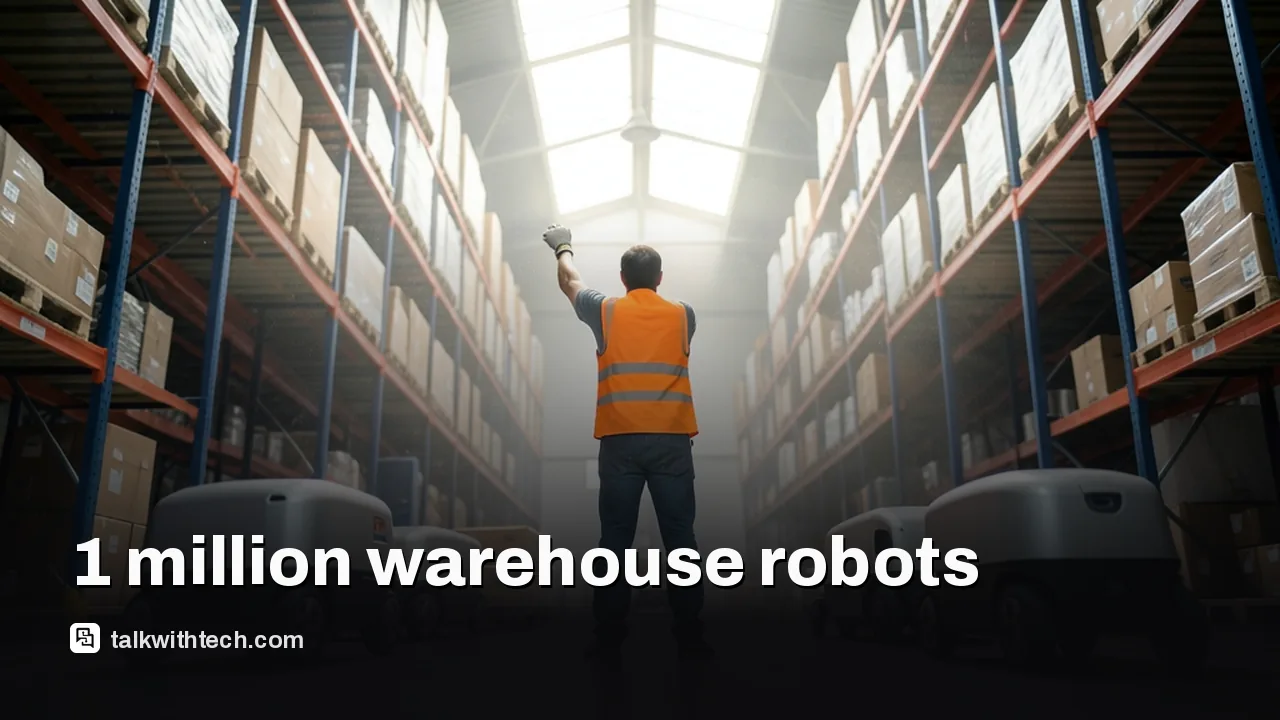
Amazon operates over a million robots in warehouses to speed up delivery and cut downtime.
The company also employs more than 1.5 million people, making automation a big factor in how work happens.
Experts warn that more proximity between humans and robots changes the risk and pace of work, with mixed effects on safety and jobs.
The push toward more capable robotic systems is part of a broader trend in e-commerce to shorten delivery windows while managing labor costs.
Quick read · 1 min
Amazon is expanding its robot fleet in warehouses to speed up deliveries. It already uses over a million robots and employs more than 1.5 million people in its warehouses and other roles.
Experts say robots can reduce injuries by taking on dangerous tasks, but working closely with machines changes job dynamics. The big question is how training and safety programs will keep pace as automation grows.
What this means for you: faster deliveries, potential shifts in job roles, and a focus on safety and training as automation expands.
Faster fulfillment
Closer human-robot collaboration
Need for retraining and updated safety rules
Amazon is expanding its robotic fleet as part of a broader plan to speed up deliveries and reduce the physical strain on human workers. The company already operates more than a million robots in its warehouses and is positioning itself to grow that robot workforce in the coming years. Alongside this, Amazon employs more than 1.5 million people worldwide, a figure that includes full-time and part-time workers who help sort, pick, pack and ship products every day.
Executives say the robots take on high-risk, repetitive, or physically demanding tasks, which should reduce injuries and fatigue for human workers. But labor researchers and advocates caution that when robots operate shoulder-to-shoulder with people, the dynamics of work change in important ways. Proximity between humans and machines can alter the pace of work and the kinds of risks workers face, adding a new layer of accountability for safer operations.
01
How the robot fleet fits into Amazon’s delivery machine
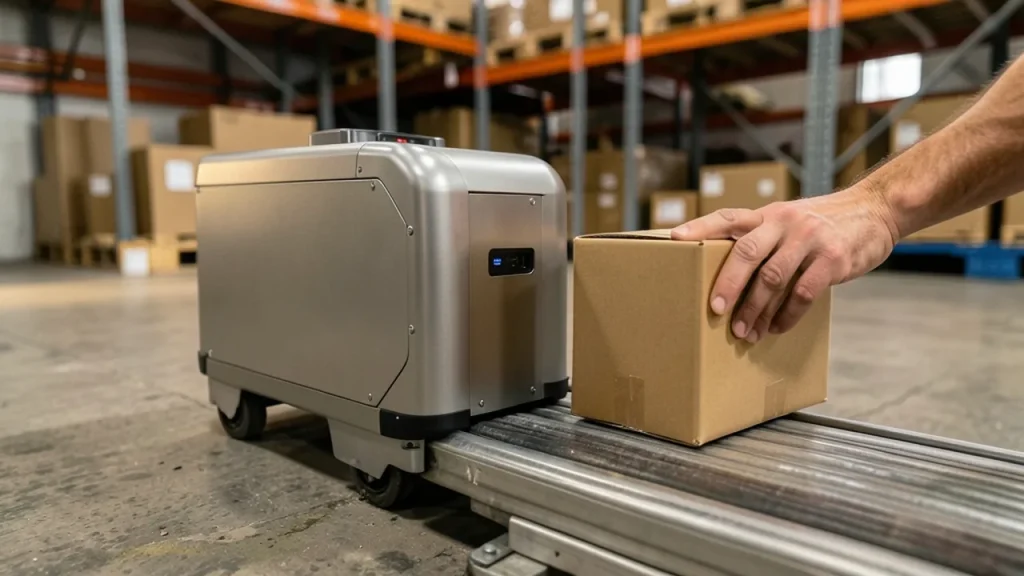
In Amazon’s fulfillment network, robots are not a replacement for humans so much as a way to move items more efficiently through massive warehouses. They help with tasks like moving shelves of goods to human workers who then pick items for orders. This division can shave minutes off each order, which compounds into faster deliveries for Prime customers and a more scalable network overall.
02
What this means for workers on the floor
For workers, the story is mix of relief and shifts in routine. On one hand, robots can shoulder some of the most physically taxing tasks. On the other, the pace of work and the need to coordinate with machines can feel more demanding if automation is pushing throughput higher. The question many people are asking is how job roles evolve as automation expands and whether training and safety programs will keep pace with new tasks.
03
What researchers and labor groups say
Experts note that automation has historically reduced certain kinds of injuries by taking over dangerous tasks. But they also point out a new dynamic: robots operating in closer contact with humans may change what counts as a “normal” work pace and what safety measures are required. The result is a nuanced picture where automation can both ease some workloads and create new kinds of pressure on workers.
04
What happens next for everyday people
For shoppers, the practical takeaway is simple: a more automated fulfillment network can translate to faster deliveries and potentially steadier stock. For workers, the path forward likely involves training opportunities that align with more capable machines and updated safety protocols as the company expands its robotic footprint. For the broader economy, Amazon’s approach serves as a template of how big e-commerce players may balance growth with workforce needs and safety considerations.
If you’re curious about how your local warehouse job could change, look for employer updates on training and safety programs. For consumers, stay aware of delivery times during peak seasons, since automation aims to push those timelines shorter even further. Finally, for policymakers and researchers, keep an eye on how job roles shift and how training funding supports workers transitioning to more automated environments.
06
Quick answers
Will robots replace human warehouse workers?
Not entirely. Amazon describes robots as handling high-risk or repetitive tasks to support human workers and speed up fulfillment.
How many robots does Amazon use?
The company says it has more than a million robots in its warehouses today, with plans to grow that fleet.
Microsoft unveils Magnetic Connect, a magnetic USB-C charging method for the Surface Laptop Ultra that could let you use more ports and peripherals without giving up charging.
GM is building a half-million-square-foot Battery Cell Development Center to prototype and test cheaper battery chemistries before scaling up production.
Nvidia is considering several paths with Reflection AI, a small open-weight model developer, in discussions that could lead to an acquisition, a bigger investment, or a licensing arrangement.
3 min read
We use cookies to understand how readers use Talk With Tech, so we can make it better. Is that OK? Privacy policy
The Daily Brief
Today's biggest tech stories, in 5 minutes
Every morning, the news that matters from AI, phones, apps and the people shaping tech. Explained in plain English. Free.
One email a day. No spam, unsubscribe anytime. Privacy policy