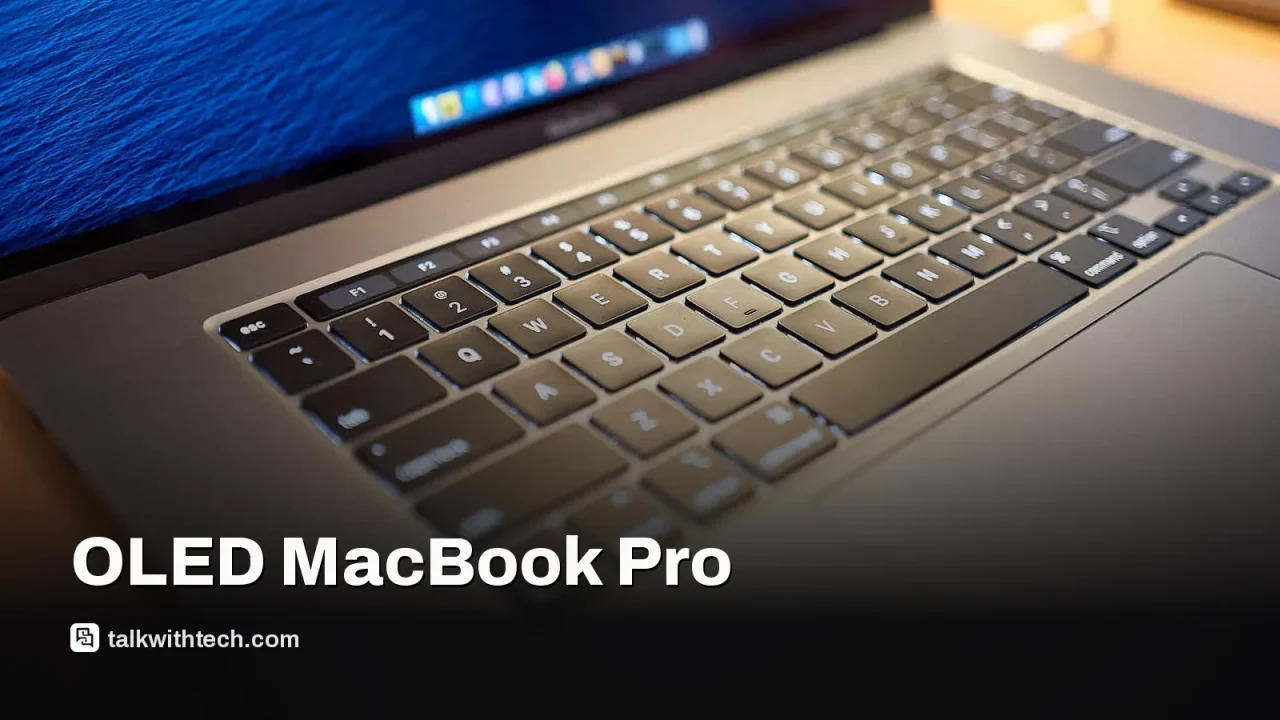
Apple is rumored to reveal an OLED-based MacBook Pro lineup at a forthcoming home event this month.
There are whispers of changes to how macOS handles Full Disk Access, potentially making data access prompts clearer.
If true, these moves could improve privacy controls while bringing high-end display tech to MacBook Pro buyers.
Quick read · 1 min
Apple is expected to reveal a home event with rumored OLED MacBook Pro models and tweaks to Full Disk Access permissions. OLED could bring brighter displays, while changes to data access aim to give you clearer, tighter control over apps. Details are unconfirmed, but we could see official information soon. Once Apple confirms, we’ll tell you what’s new, how it affects your wallet, and what to do next.
Why it matters: better displays help with photo/video work and day-to-day use, and clearer privacy prompts mean less guesswork about what apps access. What happens next: watch for an official invite and product specs from Apple, then we’ll break down the real details and prices for the U.S., UK and Canada.
OLED display rumors surface for MacBook Pro
Possible Full Disk Access changes target app privacy prompts
Await official confirmation from Apple
Apple is widely expected to outline new products at a home event later this month. Early reports point to an OLED-based MacBook Pro lineup and changes to how apps request Full Disk Access in macOS. While Apple has not officially confirmed the event or the specifics, the chatter reflects a pattern of annual hardware reveals paired with software refinements that affect everyday Mac users.
OLED panels would bring deeper contrast and more vibrant colors to the MacBook Pro line, according to the whispers circulating in tech circles. The idea is to refresh the premium MacBook Pro family with displays many users already appreciate on some tablets and other high-end devices, potentially alongside performance bumps. The exact sizes, configurations, and pricing remain unconfirmed, and Apple has not disclosed a release timeline. If OLED arrives, it could influence not just photo and video work but any task that benefits from better screen quality, like coding, design, and content creation.
On the privacy front, the talk centers on Full Disk Access. In macOS, Full Disk Access is a user-consent layer that lets apps read files in protected locations such as Documents, Downloads, and Desktop. The rumor mill suggests Apple could tighten these permissions or adjust prompts so users understand what an app can access and why. If accurate, these changes would make it clearer to users why an app needs broad access, potentially affecting how developers design their apps and request permissions. Apple has not provided an official statement about these changes, so readers should treat the specifics as unconfirmed for now.
Why this matters to you: a Mac with an OLED screen could deliver brighter, more power-efficient visuals, which matters whether you’re editing videos, coding, or just watching a movie. Stricter Full Disk Access prompts may slow some app setup initially but can reduce surprise data access and boost privacy confidence. As with any rumored product cycle, timing and exact details will depend on Apple’s official announcements.
01
Which MacBook Pro models might get OLED first
At this point, no official lineup or release dates have been announced. Rumors suggest the OLED upgrade could appear across the high-end MacBook Pro family, but timelines and configurations remain speculative. If Apple follows past patterns, any OLED refresh would likely come with a broader hardware and software event rather than a quiet update.
02
What the Full Disk Access changes could mean for you
The talk around Full Disk Access centers on clarity and control. If Apple tightens prompts or narrows how much data apps can access by default, everyday users could experience fewer unexpected data accesses. Developers might need to explain permission needs more clearly or adjust app behavior to align with stricter rules. For users juggling multiple apps for work, school, or personal use, these changes could translate to a more transparent app experience and more deliberate permissions management.
03
What this means for your wallet
OLED tech and any hardware refresh typically bring premium prices. Until Apple confirms, there’s no price list to quote for the U.S., UK, or Canada. If an OLED Pro line lands, it could appear as a higher-priced option alongside existing MacBook Pros. Budget-conscious buyers may want to watch for potential timing of the next refresh cycle and compare any new specs against current models.
04
What happens next
Apple usually confirms event details with a formal invite. Until then, follow the company’s official channels for confirmation and avoid relying on rumor-only reports. Once Apple announces concrete specs, dates, and pricing, we’ll break down what’s new, what it costs, and who should consider upgrading.
Nothing is official yet. OLED is the focus of rumors, but Apple has not confirmed any lineup or release date.
What is Full Disk Access, and why should I care?
Full Disk Access is a macOS permission that controls how much data an app can read. Changes could make data access clearer and more restricted, affecting both users and developers.
When will I know more?
We expect Apple to announce specifics at an upcoming event. We’ll summarize what changes mean for you as soon as Apple releases detailed information.