France’s prosecutor opened an investigation, and U.S. CISA noted a related vulnerability from 2025 that could be involved.
Retail chains paused and investigated systems as officers work to quantify food loss and restore normal operations.
Quick read · 1 min
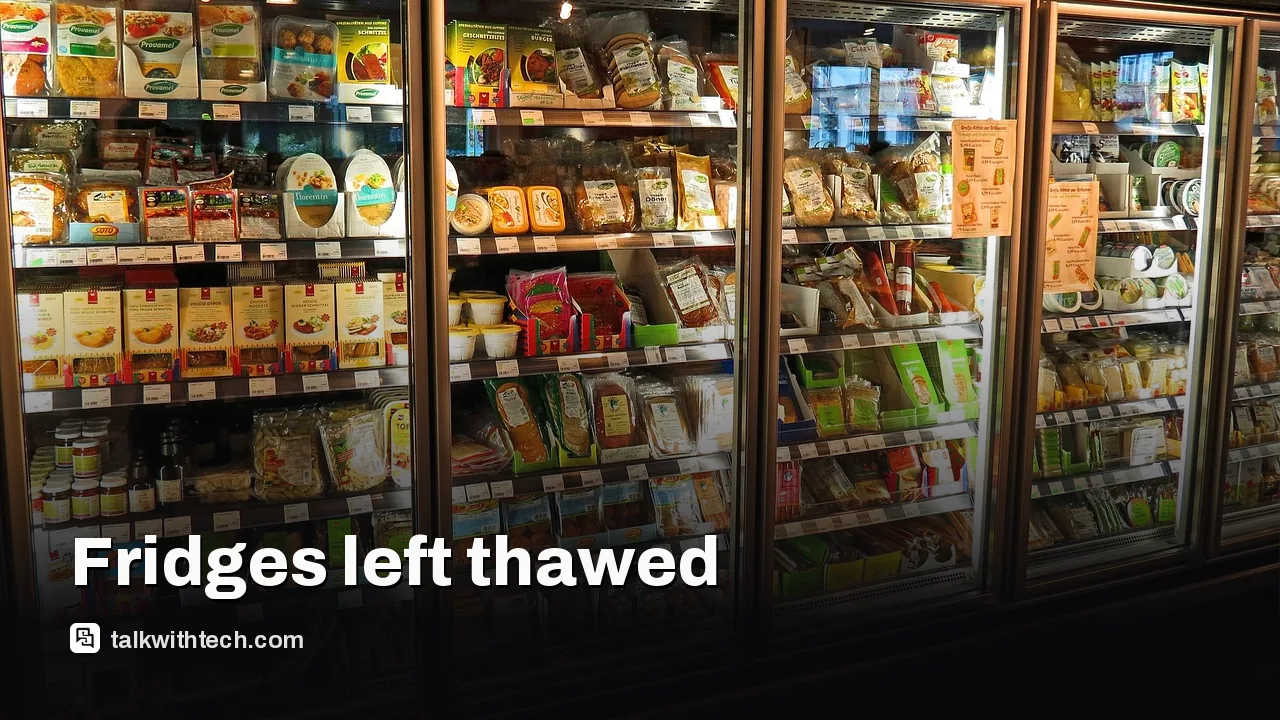
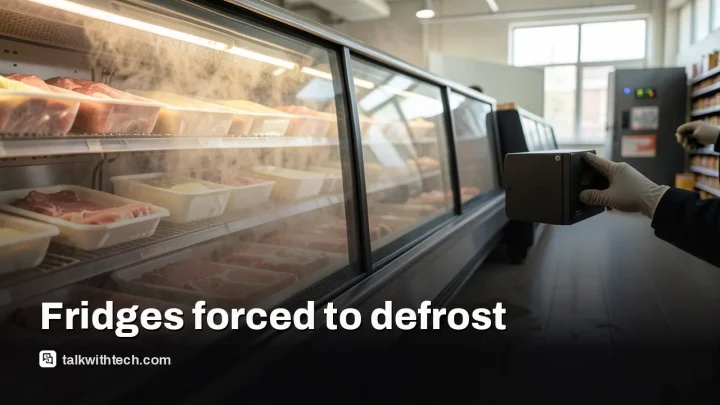
A cyberattack forced refrigerators in a large group of French supermarkets to defrost overnight. The attack appears to have targeted older Danfoss refrigeration controllers, triggering an automatic defrost that raised temperatures in perishable aisles.
About 250–350 stores were affected, leading to losses from spoiled food and, in some cases, paused operations while investigators and refrigeration engineers worked to restore normal cooling.
What this means for shoppers is simple: in the short term, some items could be out of stock or more expensive as stores rebuild cold chains. Officials are investigating the breach and assessing whether older hardware contributed to the breach. The question now is how retailers will tighten security to prevent a repeat.
Investigation ongoing
Stores restoring cooling systems
Potential food waste and price fluctuations
A cyberattack shuttered refrigeration across a large swath of French supermarkets overnight, with at least 250 to 350 stores affected. The incident appears to have targeted Danfoss refrigeration controllers running older software, using a built‑in automatic defrost function to raise temperatures and cause cooling systems to defrost. Local outlets named big chains as victims, and authorities say the event is serious because it disrupts food preservation at scale.
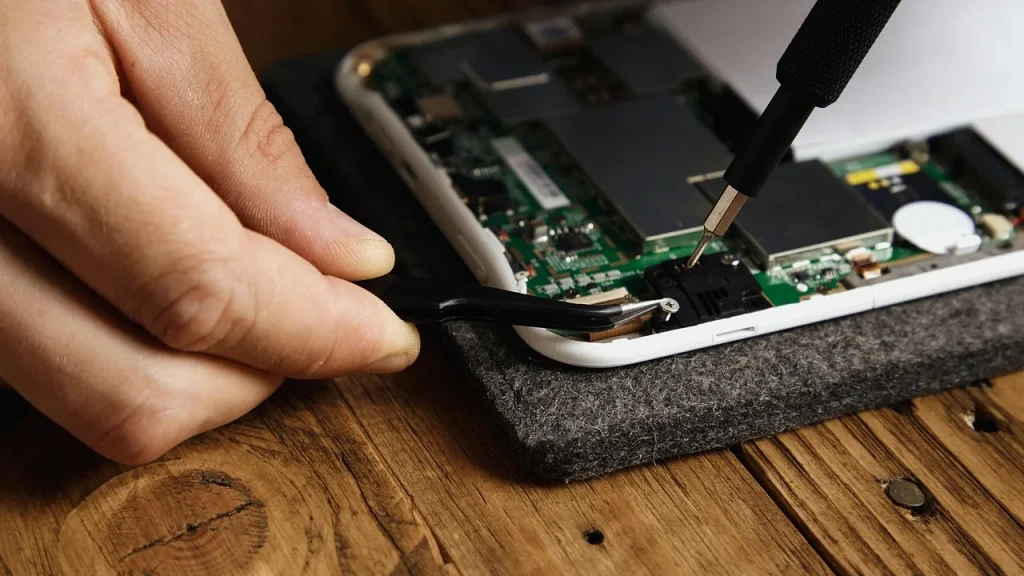
What happened, exactly, is still being sorted out. Early reporting points to unauthorized access to the Danfoss AK-SM 8xxA Series hardware that most often runs in supermarket and cold‑storage setups. The attackers allegedly triggered an automatic defrost sequence by manipulating the controllers’ software, allowing temperatures to rise in refrigerated cases. It’s not clear how the breach occurred or how long systems were exposed before containment began.
There is a notable thread connecting this incident to older vulnerabilities. The U.S. Cybersecurity and Infrastructure Security Agency (CISA) warned in 2025 about a high‑severity authentication bypass in the Danfoss platform. While officials haven’t publicly connected the 2025 alert to this latest event, security experts say the memory of that flaw is relevant as investigators assess how attackers gained entry and moved laterally through networks used by retailers.
France’s prosecutor’s office confirmed an investigation into a large‑scale cyberattack affecting refrigerators across several major food retailers. One in‑house spokesperson cited by outlets said the goal was to disrupt goods supply and create food waste, which would be a painful hit to both retailers and shoppers. EU agriculture officials condemned the act, underscoring the severity of tampering with equipment essential to keeping produce safe and saleable.
For shoppers, the immediate effect will vary by store. Some outlets reported food losses tied to spoilage, while others focused on restoring cold chains and ensuring product safety. In the near term, expect potential short‑term stockouts or changes in available items as stores repair and recalibrate their cooling systems.
Je confirme qu’une cyberattaque touche depuis cette nuit les installations de production de froid de plusieurs magasins de notre réseau @CooperativeU. Nos équipes sont pleinement mobilisées, en lien avec les frigoristes, pour rétablir la situation au plus vite. Une enquête devra…
Temperature control in supermarkets isn’t just about keeping ice cream cold. It helps maintain the quality and safety of many perishable items from dairy to meat. When defrosting happens, retailers can lose product, and prices might rise temporarily as stores work to replenish stock. The incident also highlights how critical older hardware can be to the everyday economy and where a single breach can ripple through food supply chains.
02
How the incident was handled so far
Retail chains paused affected refrigeration systems, mobilized refrigeration specialists, and launched internal investigations to determine the scope and impact. Officials stressed they are working with authorities to understand the breach and prevent recurrence. Investigators will likely examine access controls, remote management software, and the sequence of events that allowed the defrost trigger to run across many locations.
03
What happens next
Authorities will complete the forensic work to confirm how attackers gained entry and whether the impact was limited to defrosting or extended to other parts of the cold chain. Retailers will continue restoring normal cooling, reassess network security around critical equipment, and possibly update or replace aging controllers to reduce future risk.
Hackers remotely triggered automatic defrost in refrigerators across hundreds of stores in France, likely by manipulating older Danfoss controllers.
Why does this matter?
Perishable food safety and supply could be affected, leading to waste and short‑term price changes. It also shows how critical older equipment can be a risk if not properly secured.
Note: The article uses official statements and reports from outlets; investigators are still piecing together the exact sequence of events.
Hackers disrupted refrigeration controls and digital price labels across several supermarket chains, causing nonstop defrosting, price glitches, and delivery hiccups.
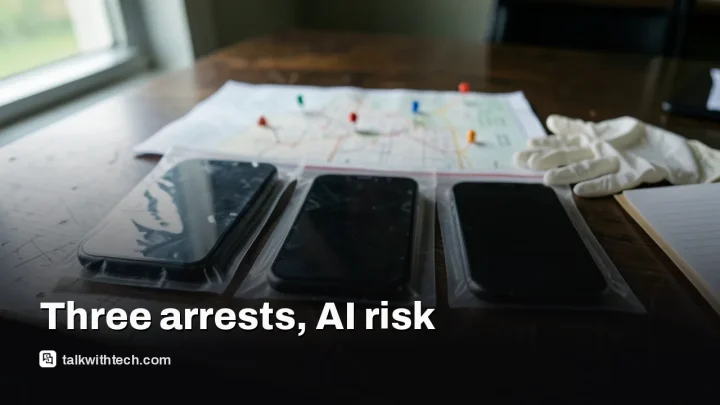
Warrants authorized the use of cell-site simulators to locate a college student linked to protest coverage, raising concerns about dragnet data collection.
3 min read
We use cookies to understand how readers use Talk With Tech, so we can make it better. Is that OK? Privacy policy
The Daily Brief
Today's biggest tech stories, in 5 minutes
Every morning, the news that matters from AI, phones, apps and the people shaping tech. Explained in plain English. Free.
One email a day. No spam, unsubscribe anytime. Privacy policy