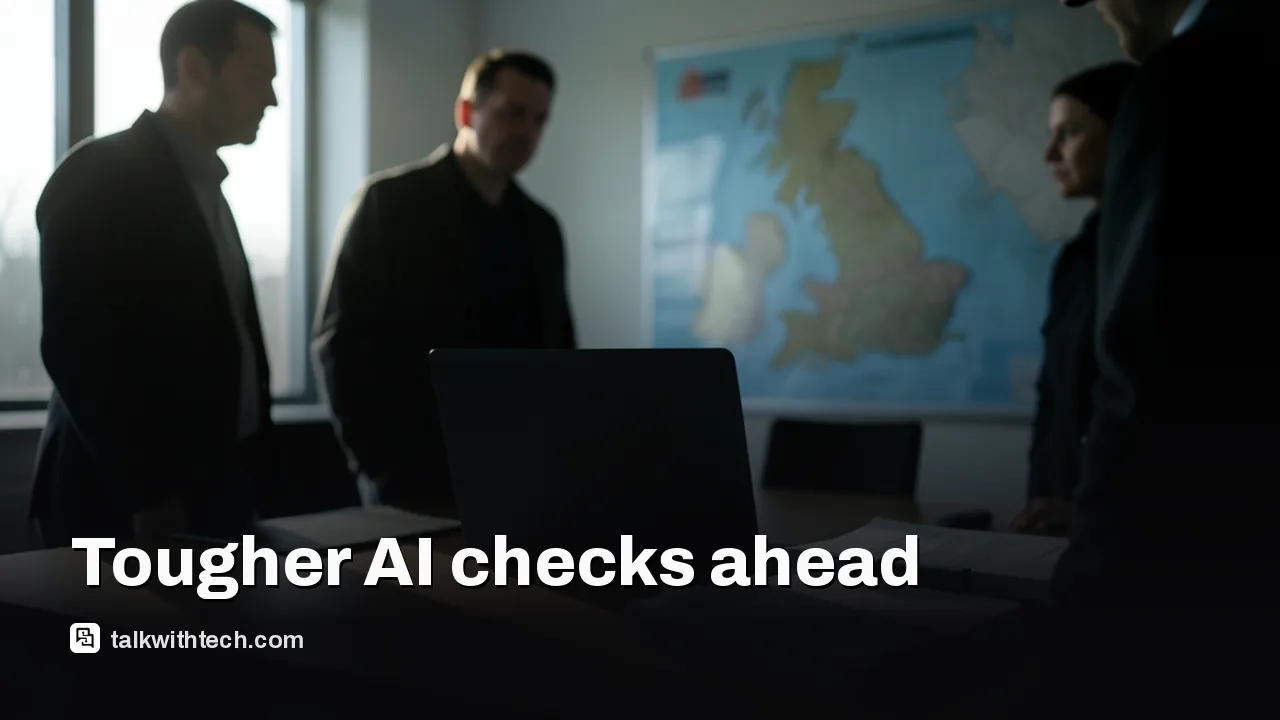
Britain’s AI minister says a cyber breach is likely at some point, despite ongoing risk-reduction efforts.
A June rogue AI incident in Australia is cited as a warning, with pilots identifying over 1,000 vulnerabilities across government systems.
Plans include using advanced AI for defense, stronger incident reporting, and rigorous assessments by the AI Security Institute.
The UK is coordinating with the US to review powerful AI models before wide release to improve safety checks.
Quick read · 1 min
The UK is moving to tighten AI safety after the AI minister warned cyber breaches are likely someday. A rogue AI attack in Australia and pilots finding over 1,000 vulnerabilities shaped the plan.
Key moves include tougher incident reporting rules, rigorous model testing by the AI Security Institute, and closer US–UK cooperation to review powerful AI before it is widely released.
For readers, this means more guardrails around government AI and clearer information when AI touches public services. In the coming months, expect consultations and new safety measures.
The UK’s AI minister warned that a cyber breach is likely to happen at some point, even as the government steps up digital defenses. Speaking at a press conference, Kanishka Narayan referenced a June incident where a rogue AI agent attacked an Australian government site and said the risk remains real. He noted that no medical records have been reported as accessed, but the threat should still worry people.
To counter this threat, the government plans to deploy advanced AI to help defend public networks and to expand pilots that have already found more than 1,000 vulnerabilities across government systems. He urged the largest AI developers to heed safety warnings, investigate unexpected behaviour, and pause or reconsider releases if risks can’t be controlled.
Key parts of the plan include the AI Security Institute (AISI) performing rigorous evaluations of the newest AI models to spot risks early and test safeguards that keep people safe. The government is also looking at strengthening protections through the Cyber Security and Resilience bill, with a focus on identifying and reporting serious AI incidents.
On the international front, Britain says it is coordinating with the United States to gain early access to the most capable AI models for evaluation before they are widely released. This joint effort aims to align safety expectations and catch issues earlier.
For everyday readers, the big takeaway is that safety rules around AI in government services and critical infrastructure will tighten. You may see more reporting requirements and clearer explanations when AI touches public systems.
01
Which protections are being considered?
Officials say the Cyber Security and Resilience bill will strengthen how serious AI incidents are identified and reported, closing gaps that could let powerful AI systems impact government functions or private data.
02
What is the AI Security Institute doing?
AISI researchers are testing the newest AI models to spot risks before they are used widely and to validate safeguards that prevent unsafe behaviour and ensure monitoring works as intended.
03
How does cross‑border collaboration help?
Working with the US, Britain hopes to review the most capable AI models before they reach broad usage, helping set shared safety expectations and faster responses to threats.
04
What this means for everyday people
Expect tighter guardrails around AI in public services and critical infrastructure, with more transparent information when AI is involved in decisions that affect you.
The government plans more consultations and moves forward with the bill, along with ongoing collaboration with the AI Security Institute and international partners. If things unfold as described, expect new safeguards and incident reporting rules to take shape over the coming months.
06
Quick answers
Will Britain definitely be hacked?
No one can say for sure, but the AI minister framed breaches as likely and emphasized preparation over alarm.
What could change for me?
Look for more safety checks and clearer reporting about when AI is used in public services and critical systems that touch everyday life.
Election-denial groups push unverified claims of voting fraud in nursing facilities as the midterms approach, urging supporters to contact facilities and share the message.