Tuesday, 13 October 2026

AI data resale sells ex-startup code, chats and docs

A new wind-down economy is selling the archives of dying startups to AI labs, turning code, emails and chats into training data, sparking privacy and value questions.

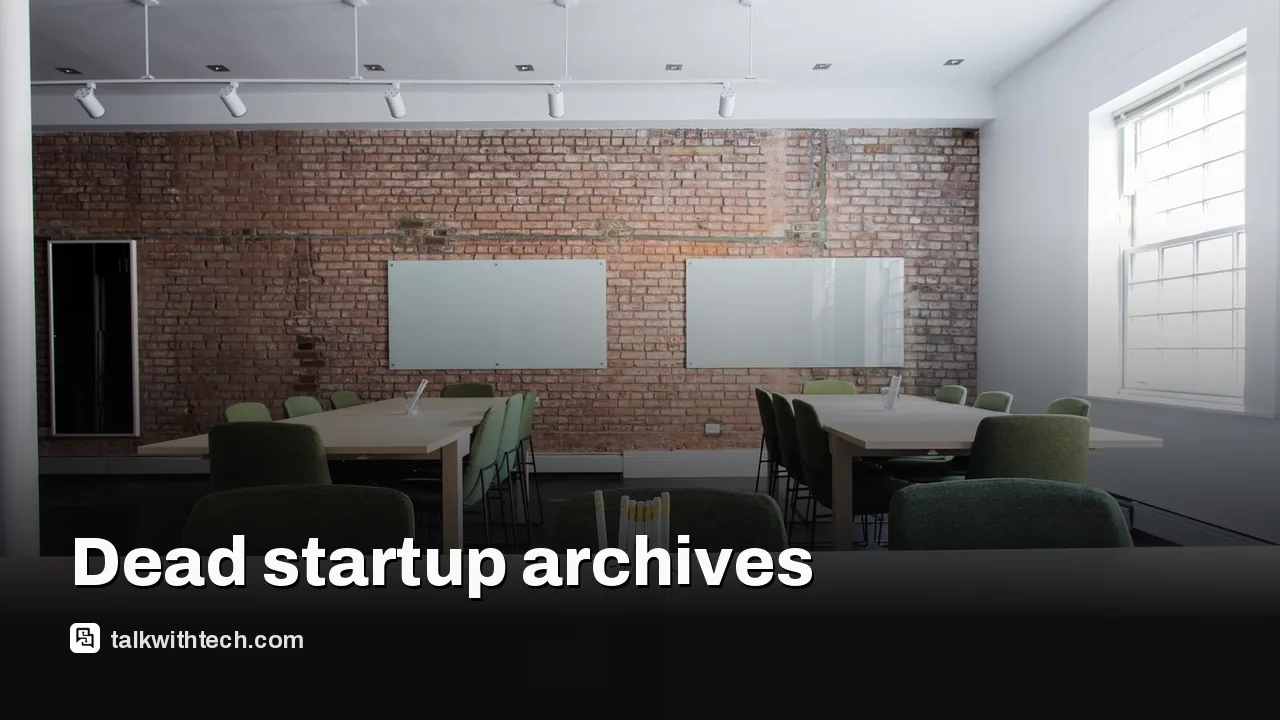
An empty office with a few desks and a computer idle

The short version

  • AI labs are increasingly buying the archives left behind by dying startups to train models, turning code and work data into new value.
  • Firms like SimpleClosure use Asset Hub to connect wind-down data with buyers who want code, chats, and documents.
  • Deals vary widely in price, depending on how useful the data is for AI tasks and simulations.
  • Privacy and legal questions loom, as employers and customers worry about who profits and how personal information is handled.

Quick read · 1 min

Wind-down data from dying startups is being sold to AI labs to help train models. Platforms like SimpleClosure connect the assets, code, emails, chats, and documents, with buyers seeking realistic data for training and simulations.

Why it matters to you: real-world data can improve AI, but privacy and who profits from wind-downs are real concerns. What happens next: more startups may cash out on data; founders should think about data rights in their plans.

When a startup winds down, its digital footprint can outlive the company. A growing market now buys those remnants, code, emails, chats, calendars, and other workspace data, to help train and test artificial intelligence. Platforms like SimpleClosure run marketplaces that pair dying companies with buyers who want real-world data for AI models or to build simulated training gyms for machines. It’s a new source of value, even as questions about privacy and rights linger.

01

What exactly is being sold

The assets aren’t just lines of code. Buyers often acquire a bundle that includes emails, chats, calendars, and documents from the company’s tenure. Founders have described earning money for a couple of years’ worth of work, with code and workspace data from widely used collaboration tools. The assets move through Asset Hub and similar platforms, which catalog what a wind-down firm has left and what might help an AI project.

A person working at a laptop with code visible
02

Who’s buying and why, now

As AI labs hit the ceiling of public data and increasingly rely on real-world archives, demand for wind-down data has surged. Buyers range from foundational AI labs to firms building reinforcement-learning environments that need realistic materials to train agents. Real-world data can offer behavior patterns synthetic datasets can’t replicate, especially for complex tasks and nuanced decision making.

03

How prices are determined

There isn’t a fixed price. Values hinge on how much useful content the archived data can yield. Factors include the startup’s size, how long it operated, how much data exists, and how teams used the tools day to day. In practice, valuations feel more like research theses than straightforward sales.

04

Privacy and legal concerns

Privacy remains front and center. Even as sellers scrub personal data, buyers often run additional cleansing before using the data to train models. Some data carries potential privacy risks that legal experts call sensitive or “radioactive.” There’s no broad federal prohibition on these deals, but questions about who profits and how workers’ rights fit in persist.

05

What this means for ordinary readers

For everyday users, the trend means real-world experiences and work histories can influence future AI. It also highlights a risk: your own workplace data could be part of a wind-down sale if your employer dissolves. That makes clear, privacy-forward wind-down plans and data-ownership terms even more important for startups and workers alike.

06

What happens next and what you can do

As more dying companies surface assets for sale, expect more deals of this kind. If you’re a founder, embed explicit data-ownership terms in wind-down plans and be mindful of what gets archived. For workers, stay aware of how company data flows and what rights you have over archives that might later be sold.

07

Quick answers

What exactly is sold in these deals?

Code, emails, chats, calendars, and documents from the company’s active period, bundled for AI training or testing.

Why is this happening now?

AI labs are exhausting public and synthetic data options and looking for real-world archives to improve models and simulations.

Is this legal and safe?

Legal questions persist and privacy protections vary by case; buyers scrub sensitive details, but no universal federal ban covers all such sales yet.

You're reading the quick version.