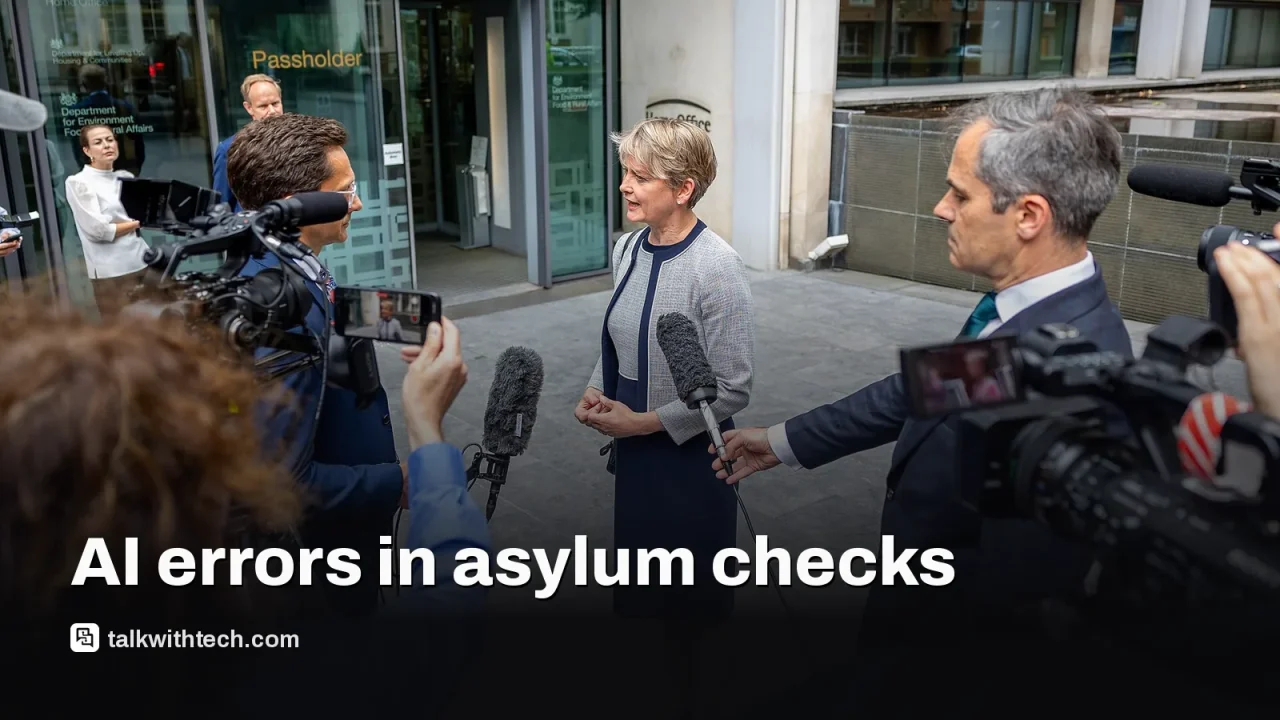
The Home Office relies on AI to help process asylum cases, and a new assessment finds accuracy gaps in a meaningful portion of checks.
The finding fuels concerns about fairness, due process, and potential bias in automated decisions.
Officials say they will review the systems and strengthen oversight to ensure human judgment remains central.
Quick read · 1 min
The Home Office uses AI tools to help handle asylum cases, but a new assessment found accuracy gaps in a meaningful portion of checks. That means a notable share of AI-driven steps could be wrong, potentially affecting decisions or processing speed.
Why it matters to you: mistakes in asylum processing can impact eligibility, evidence requirements, and timelines. The government says it will review the systems and strengthen oversight, while stressing that humans remain involved in decisions.
Expect updates on safeguards and transparency around AI use.
If you’re going through asylum, stay vigilant with documentation and request human review if you think an AI step affected your case.
Keep an eye out for official guidance on any new checks or appeals related to AI-assisted decisions.
The Home Office is facing questions about the reliability of its AI tools used in asylum processing after a new assessment found accuracy gaps in a meaningful portion of checks. In plain terms, a sizeable share of automated analysis or support tasks tied to asylum cases could be misaligned with human-reviewed outcomes. The report does not publish granular details about which steps were affected, but the takeaway is clear: automation used to speed up or assist decisions could lead to incorrect conclusions in a non-trivial way.
Why this matters to readers who may be going through the asylum process or supporting someone who is, is straightforward. AI tools can influence eligibility determinations, evidence requests, and timelines. If these tools err, applicants may face delays, extra scrutiny, or decisions guided by automated analysis that misses important context. The assessment underscores a broader point many readers have felt for years: automation can help handle heavy workloads, but it isn’t a substitute for careful human review in high-stakes cases.
01
What exactly is being assessed?
The report looks at the AI systems the Home Office uses to handle asylum applications, focusing on accuracy checks, how well the tools classify or flag information, and how closely automated outputs align with human judgment. The key concern is not a one-off misstep, but a pattern of mismatches that could influence real decisions and outcomes for applicants.
02
Why accuracy matters in asylum decisions
Asylum decisions hinge on sensitive personal data and high-stakes outcomes: safety, residence status, and the possibility of removal. When AI supports or informs those decisions, accuracy is essential. Even a notable error rate can have real consequences when multiplied across thousands of cases, affecting the fairness and transparency of the process.
03
What the government says about the findings
Officials acknowledge the issue and say the systems will be reviewed. They emphasize that automated tools are one part of a broader process that includes human oversight. The path forward is likely to involve better data quality, refining the models, and increasing checks to catch mistakes before they influence outcomes.
04
What this means for applicants and supporters
For someone navigating asylum procedures, this report is a reminder to stay engaged with the process. If a case is influenced by automated analysis, ask for an explanation of how the AI contributed to decisions or requests for additional evidence. In many systems, you can request human review or an appeal where you feel the AI analysis might not have captured all the relevant details in your situation.
The government says it will review the AI tools and related oversight mechanisms. Expect further updates on safeguards, more transparent reporting around AI-driven steps, and possibly tighter controls over where and how automation can influence key decisions in asylum cases.
06
Quick answers
What exactly failed in the AI checks?
The report notes accuracy gaps but does not publish granular details about which parts of the process were affected.
What should applicants do right now?
Stay engaged with correspondence, ask for human review if a decision feels automated, and keep records of all submissions and dates in case you need to appeal.
Will this change how cases are decided?
The government has signaled a review of safeguards and oversight; concrete changes will come after that process completes.
A controversial claim from The Register suggests Intel’s IPv6 networking work leaves some users with unusable or “nothingness” connections. Here’s what we know and what it means for everyday users.
Anthropic’s Frontier Red Team shows open AI models under 30B parameters could self-replicate on insecure home gadgets, prompting new security concerns.
A new ransomware group claims to have published the personal details of thousands of Trump Mobile customers, raising questions about how secure these wireless plans are.
4 min read
We use cookies to understand how readers use Talk With Tech, so we can make it better. Is that OK? Privacy policy
The Daily Brief
Today's biggest tech stories, in 5 minutes
Every morning, the news that matters from AI, phones, apps and the people shaping tech. Explained in plain English. Free.
One email a day. No spam, unsubscribe anytime. Privacy policy