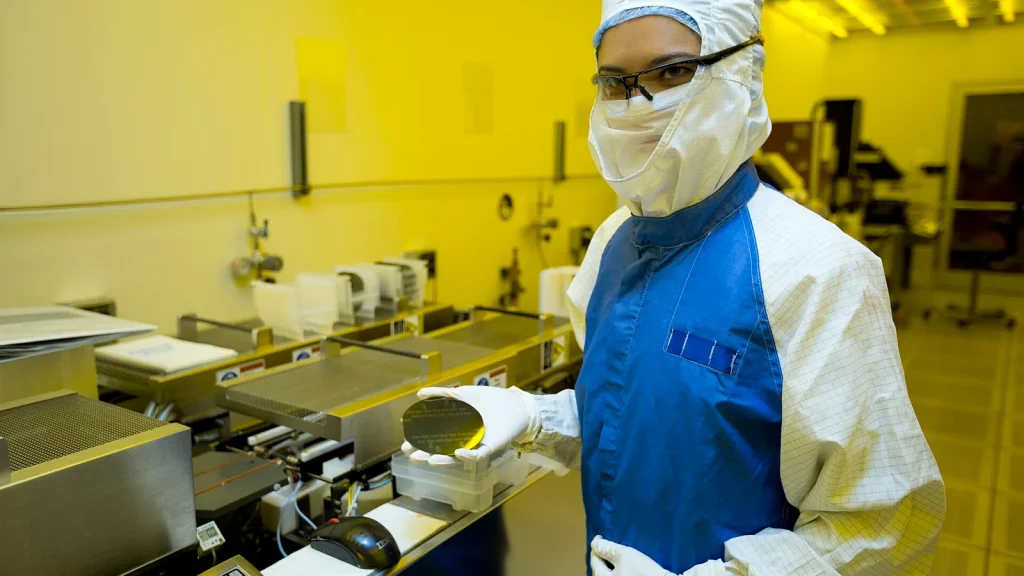
Nvidia and TSMC are investing to secure U.S. leadership in AI compute and advanced packaging.
Microsoft plans to bring Copilot into local file systems, raising questions about privacy and safety.
The hardware and software supply chain is increasingly intertwined, with moves like local AI agents and new silicon strategies.
What this means for users: your apps may rely on more local processing, stricter vendor choices, and new privacy considerations.
Quick read · 1 min
Big moves in AI and chip supply could change how your apps use data and run on devices. Nvidia and a major chipmaker are backing U.S. AI hardware and packaging to keep compute power close to home. Separately, there’s talk of Copilot-style helpers running inside your file system, which could speed up work but raises privacy questions. For everyday users, expect AI features to lean more on local processing and clearer privacy controls. What happens next? More announcements on hardware partnerships and safer AI integration in software, with timelines to watch for.
Stronger U.S. hardware supply chains
AI helpers embedded in file systems
Privacy and safety considerations grow in importance
Your apps and the AI features you use aren’t just built in a lab. They’re shaped by a handful of corporate moves that touch the chips inside devices and the cloud services people rely on daily. A recent tech roundup highlights big bets on domestic chip supply, safer ways to run AI, and software tools that may run more of your data on your own devices. While none of these items are consumer product releases, they help explain why your favorite apps could act differently soon.
Three threads dominate the discussion: strengthening U.S. AI compute capability, rethinking how software agents operate on devices, and the growing ties between hardware makers and software platforms. Nvidia reportedly secured about a billion dollars to boost U.S. scientific computing and AI capability. That kind of backing is part of a broader push to shore up the domestic AI stack, from data centers to the chips that power them. Separately, a major chipmaker joined with another packaging specialist in a deal worth billions to improve high-performance semiconductor packaging that AI workloads rely on in data centers.
On the software side, the industry is eyeing Copilot-like assistants that can work inside your file system. The aim is to make AI helpers more capable at handling documents and tasks without constantly switching apps. Officials and observers say this could speed up work and unlock new workflows, but it also raises questions about where your data lives, who can see it, and how models are kept safe from mishandling or leakage.
All of this sits alongside a broader trend: the line between hardware and software is blurring. Silicon improvements, whether through next‑gen systems on chips or smarter packaging, enable new types of AI-enabled software, while software tools push hardware to support different kinds of tasks. The result is a world where the reliability of your apps depends as much on who owns and secures the underlying chips as on the software updates you install.
For everyday users, the practical upshot is that AI features may process more data locally, with stronger protections built into the stack. It also signals that your favorite services could shift terms, defaults, or capabilities as vendors react to new hardware realities and regulatory pressures.
01
Which companies are shaping the AI hardware stack?
Two names keep showing up in the discussions: Nvidia, a major supplier of AI accelerators, and TSMC, a leading contract chipmaker. In a move aimed at bolstering U.S. silicon supply, Nvidia is linked to a notable funding step, while TSMC is reported to be collaborating with GlobalFoundries to shore up interposer packaging capacity in a roughly $2 billion deal. The aim is to ensure fast, reliable AI compute for both research and enterprise workloads inside the United States.
02
What does Copilot on your file system really mean?
The idea of Copilot-like agents operating directly inside your file system is about making AI helpers more capable at handling documents and tasks without switching apps. In practical terms, that could mean faster drafting, smarter search, and automated routine chores. The safety angle is the big question: where does your data live, how is it protected, and what happens if a model sees something sensitive?
03
What this means for ordinary tech users
These moves matter even if you don’t think about chips or code every day. If AI features start relying more on local components and safer data handling, you may see longer battery life for mobile devices, faster app experiences, and new privacy controls that let you decide what data stays on your device versus what gets sent to a cloud service. On the flip side, tighter vendor control over hardware and software can affect price, compatibility, and how quickly apps get updates.
04
What happens next
Industry watchers expect continued investment in U.S. AI hardware ecosystems and more announcements about how software agents will work with file systems. For users, the practical takeaway is to stay aware of privacy settings, review app permissions around local data, and watch for updates that describe how AI features handle your files and personal information.