Tuesday, 13 October 2026

Denmark breach 123456 hits 8.8 million accounts, act now

A Denmark data breach connected to the simple password '123456' has affected about 8.8 million people. Here’s what it means and what you should do.

Hands over keyboard beside passport, credit card and face-down phone on desk

The short version

  • A Denmark data breach is linked to the password '123456' and has impacted about 8.8 million people.
  • The incident highlights how reusing a simple password can put many accounts at risk of compromise.
  • Take immediate steps: use unique passwords, enable two-factor authentication, and consider a password manager.
Quick read · 1 min

A Denmark data breach linked to the password '123456' has affected about 8.8 million people. If you used that simple password anywhere, act now. Update passwords for important accounts, enable two-factor authentication, and consider a password manager to keep unique codes for every service. Start with banking, email, and social accounts, then broaden to other sites you use regularly. Expect more guidance from authorities, but for now, strengthen your defenses and monitor for unusual activity.

What happens next: officials will share more details on which services were affected. Until then, prioritize password hygiene and 2FA on your most valuable accounts.

A Denmark data breach is linked to the password ‘123456’ and has affected about 8.8 million people. The incident underscores how a single weak password can lead to a wave of compromised accounts. If that password was used on any site you access, your risk of unauthorized access to email, banking, or social accounts could be higher than you think.

In plain terms, weak passwords travel across services. When a breach happens, attackers often test common or reused passwords on other sites, creating a cascade of account breaches that can be hard to untangle without solid password hygiene.

01

What happened to trigger the breach?

The reports tie the incident to the widespread use of a very common, easily guessed password. While the exact systems affected aren’t fully detailed here, the result is clear: a large portion of affected individuals likely have accounts exposed because that password appeared across multiple services or datasets.

USB password key on table with blurred person and laptop in background
02

Who is most at risk?

People who used the same password on multiple sites are at higher risk for further compromises. The danger isn’t limited to losing access; attackers could impersonate you or try financial fraud if payment or identity data are involved.

03

What you should do now

Take these steps today to lower your risk:

  • Change passwords for any accounts that share the same password you know was involved, focusing on banking, email, and social services.
  • Enable two-factor authentication where possible. If you can choose an app-based authenticator over SMS, do so for better security.
  • Use a unique password for each important service. A password manager can help generate and store long, random codes.
  • Monitor accounts for unusual activity and set up alerts where available from your bank or email provider.
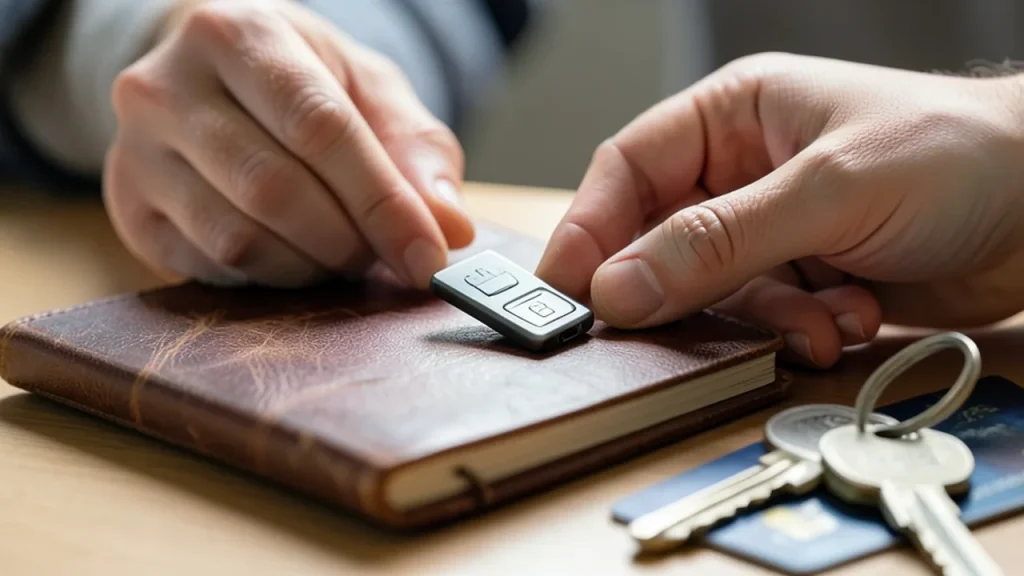
Hands swapping sticky-note password for hardware authenticator on notebook
04

What this means for everyday life

For most people, this breach is a reminder that passwords still sit at the center of online security. A strong, unique password for every service, plus second steps like two-factor authentication, makes a big difference. There isn’t a single fix that stops every attack, but layered protection greatly reduces the fallout after a breach.

05

What happens next

Authorities and security groups will likely publish more details about affected services and recommended actions. In the meantime, update passwords and turn on 2FA on your most sensitive accounts.

06

Quick answers

Should I change every password right away?

Begin with accounts where you reused the password tied to the breach, then expand to other critical services.

Is two-factor authentication enough?

Two-factor authentication greatly lowers risk, especially when you use an authenticator app rather than SMS.

You're reading the quick version.