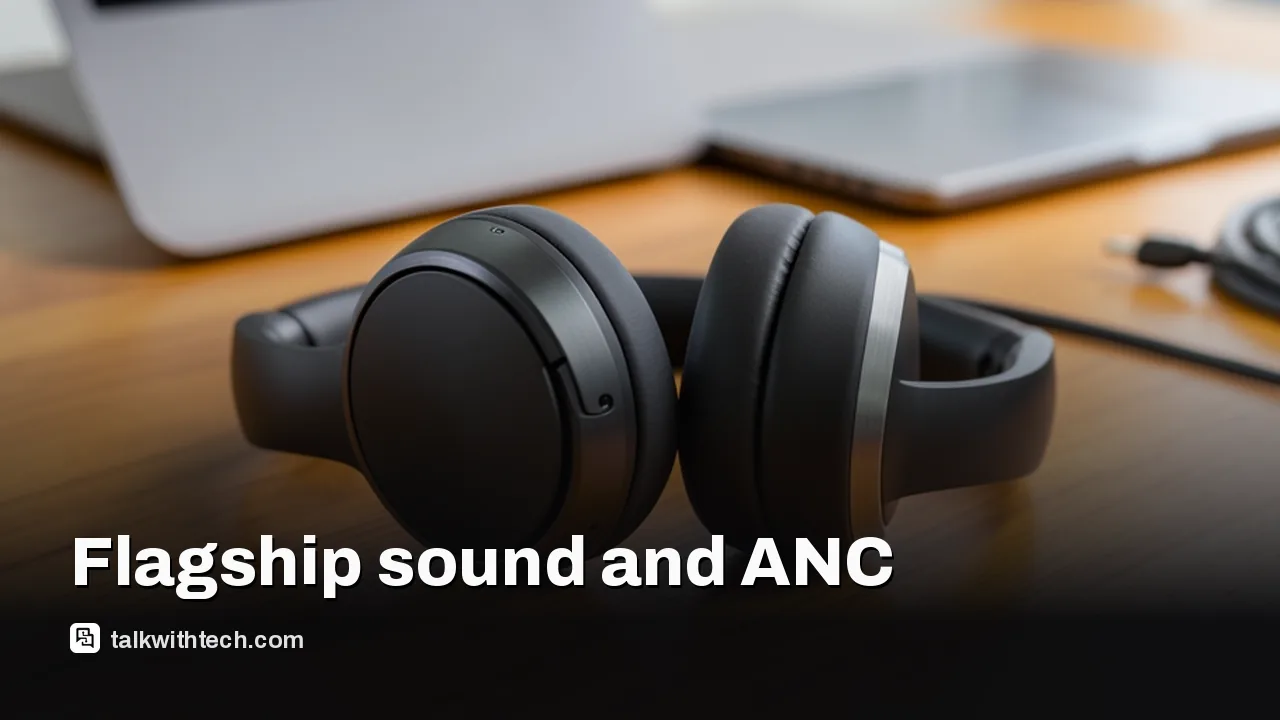
Technics EAH-A1000 are premium over-ear headphones with magnetic fluid drivers and three-device multipoint Bluetooth.
They deliver strong bass, balanced mids and highs, and highly capable adaptive ANC that rivals top rivals.
Battery life is solid at about 45 hours with ANC on, with wired and USB-C options for lossless playback.
The three-device multipoint is impressive but can be unreliable between devices in practice.
Quick read · 2 min
Technics’ EAH-A1000 sit squarely in the premium headphones space with a strong sound profile and excellent noise cancellation. They use magnetic fluid drivers and offer three-device multipoint Bluetooth for easier cross-device listening. Expect tight bass, clear mids and highs, and a wide soundstage that can feel a step up from many rivals. The ANC is very capable, handling steady background noise well, while the controls favor physical buttons over touch input for reliability. Battery life clocks in around 45 hours with ANC on, and you get USB-C and 3.5mm for flexible listening. The one caveat is the multipoint performance, which can be a touch inconsistent when switching among several devices. If you want a straightforward, high-quality listening experience in a premium package, the EAH-A1000 are worth a listen.
What this means for you: strong, well-balanced sound with good noise cancellation, easy daily use, and long battery life. If you commonly switch between your phone, laptop, and TV, test the pairing in store to make sure the setup works smoothly for you.
What happens next: the headphones are available now at $450 in the US. If you value cross-device listening, consider trying them with your devices to confirm the experience before you buy.
The Technics EAH-A1000 over-ear headphones land in the busy premium space with a few eye-catching claims: magnetic fluid drivers and a three-device multipoint Bluetooth setup. At $450, they’re positioned to compete with established favorites like Sony and Sennheiser in a category that prizes sound, noise cancellation, and comfort just as much as brand cachet.
In use, the A1000 live up to expectations on sound. The reviewer notes tight, present bass that stays in rhythm with the song rather than pounding the ears, giving tracks a sense of space and dynamic range. Mid and high frequencies come through clearly, which helps vocals and percussion stay articulate across genres. The reviewer also calls out a spacious soundstage, one of the headphones’ noticeable strengths against rivals that lay on the bass too heavily.
Noise cancellation is another strong point. The adaptive ANC is described as highly effective on steady noise like fans, and it’s strong enough to keep ambient chatter at bay when needed. That combination, strong sound with quieting that actually helps you focus, often makes or breaks premium cans for everyday life, from commuting to working at home.
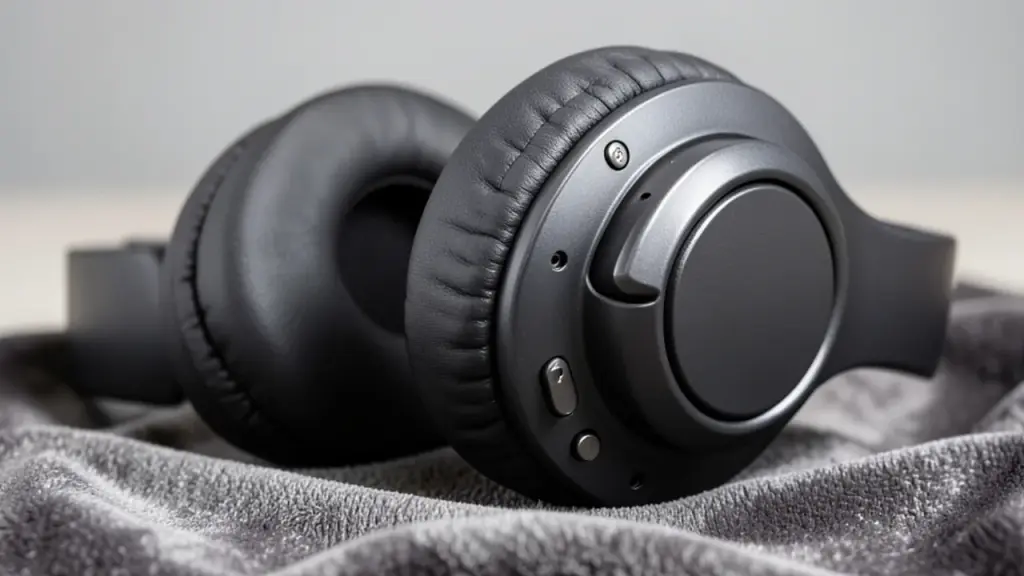
Technics also leaned into a clean control setup. The A1000 eschews touch controls in favor of physical buttons and a volume rocker on the right earcup. It’s a practical choice that avoids accidental touches, but it means you’ll learn a few habits if you’re used to swipes or taps. The reviewer finds the controls practical, though some minor quibbles pop up, like a slightly sticky button that can trip up a multi-click command.
Battery life clocks in at roughly 45 hours with ANC enabled, which is competitive for wireless noise-canceling cans. The package includes both USB-C and 3.5mm options for wired or high-resolution listening when you need it, and there’s a control app, Technics Connect, that lets you tweak EQ and beamforming microphone behavior. The app is straightforward, though the reviewer notes multipoint performance can be unpredictable when juggling two devices, especially with LDAC.
In the competition, the A1000 sits in a familiar battlefield. The $450 price puts it in the same league as popular Sony and Sennheiser models, but the takeaway is about tradeoffs. If you prize bass control and a balanced overall sound with top-tier ANC and a simple, reliable control scheme, the A1000 earns a look. If you’re a power user who relies heavily on app-based tweaks, you might find the experience a little lean in comparison to gear with more expansive software ecosystems.
01
Which phones and devices work best with the A1000
The A1000 supports three-device multipoint Bluetooth, which theoretically makes it easy to switch among a phone, laptop, and TV. In practice, the reviewer notes occasional reliability questions when moving between devices, especially when mixed with different codecs like LDAC. If you rely on easy cross-device listening, you may want to test the setup in-store or be prepared for a few connection quirks.
02
The sound and ANC you’ll actually hear
Sound quality centers on a confident bass that feels tight rather than overpowering, with a spacious soundstage that helps instruments and voices breathe. Adaptive ANC handles steady background noise well; it’s strong enough to make commutes and open-office environments more tolerable without dulling the musical detail.
03
Controls, comfort and day-to-day use
The lack of touch controls is a deliberate design choice that yields clean ergonomics. The physical buttons are easy to locate and use, and the volume rocker on the right earcup is intuitive, even if the back/forward controls require a bit of mnemonic catching. Comfort is solid for long listening sessions, with a design that aims to sit light on the head while maintaining a secure seal for effective ANC.
04
What this means for everyday users
For anyone choosing premium wireless headphones, the Technics EAH-A1000 offer a strong overall package: excellent sound, very good ANC, and a straightforward control setup. If you want standout features like a highly flexible software suite or ultra-simple cross-device pairing, these may not be the first choice. But if you want reliable, high-quality audio that’s easy to live with every day, they’re a solid pick at their price point.
If you’re curious, test them alongside your usual daily devices to hear the balance for yourself. Listen for how the bass feels with your most listened-to tracks and check whether the multipoint switching is smooth enough for your workflow. Consider whether you value the clean physical controls and the comfort level for long listening sessions.
06
Quick answers
Are these better than Sony’s WH-1000XM6?
They compete on sound quality and ANC, with a different control approach. The reviewer found the A1000’s bass tighter and soundstage broader while noting some quirks with device switching.
Is the battery life really 45 hours?
The reviewer confirms about 45 hours with ANC on, plus options for wired playback when you need it.
Is the three-device multipoint reliable?
Mostly yes, but testers reported occasional unreliability when juggling multiple devices, especially with LDAC.