Kaleido 4 color e-paper brings brighter whites and 18fps refresh
The next-gen Kaleido 4 color screen promises brighter whites, better contrast and faster refresh for color e-readers and note-takers, starting in China.
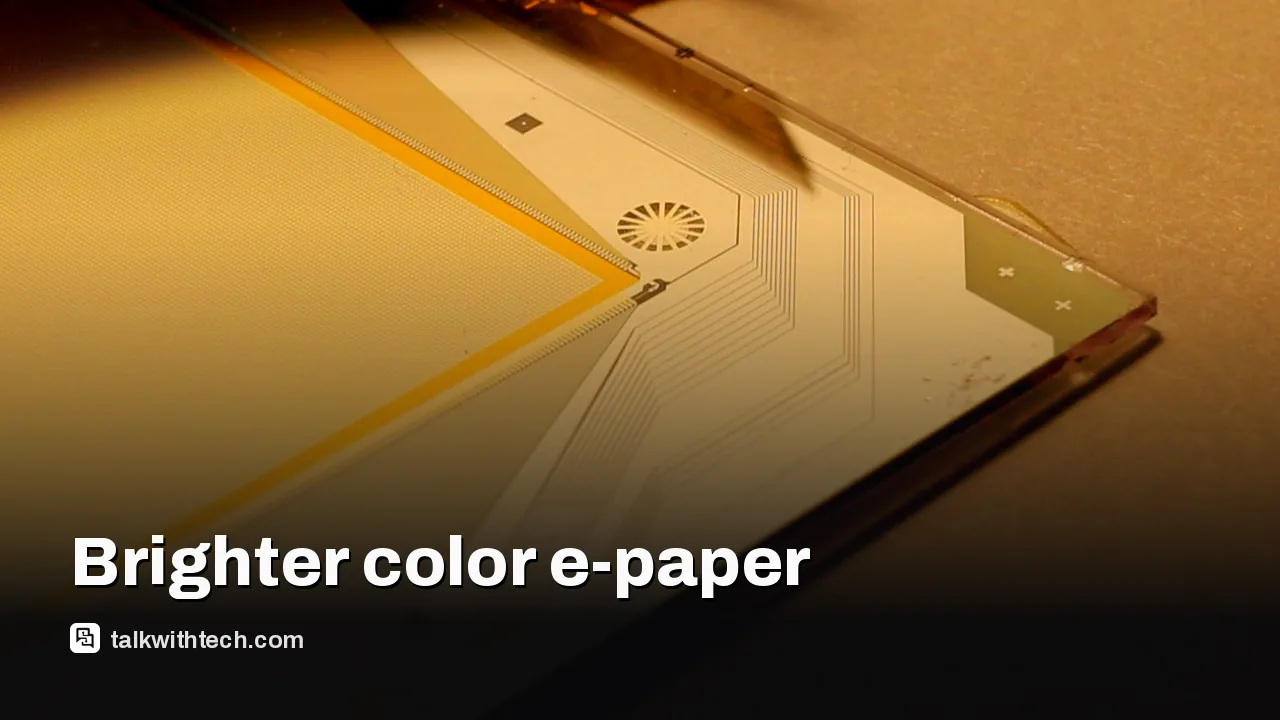
E Ink introduces Kaleido 4, a color e-paper screen upgrade over Kaleido 3.
Kaleido 4 doubles color gamut, improves white reflectance and contrast, and refreshes up to 18fps.
First device with Kaleido 4 will be Hanvon’s M10C II tablet, launching in China.
The technology remains lower resolution and color count compared with LCD/OLED, but improves readability and note-taking on color e-readers.
Quick read · 1 min
E Ink announced Kaleido 4, its new color e-paper screen. It aims to improve color accuracy, contrast and refresh speed over Kaleido 3, though it still maxes out at 4,096 colors and lower resolution than LCDs.
The first device to use Kaleido 4 is Hanvon’s M10C II tablet, launching in China. No US, UK or Canadian launches have been confirmed.
For everyday readers, Kaleido 4 could mean better color notes and comfortable reading outdoors on color e-paper devices that last longer on a charge. If it catches on, other makers may adopt the tech too.
First device: Hanvon M10C II in China
Color depth remains 4,096 colors
Improved white reflectance and contrast, faster refresh
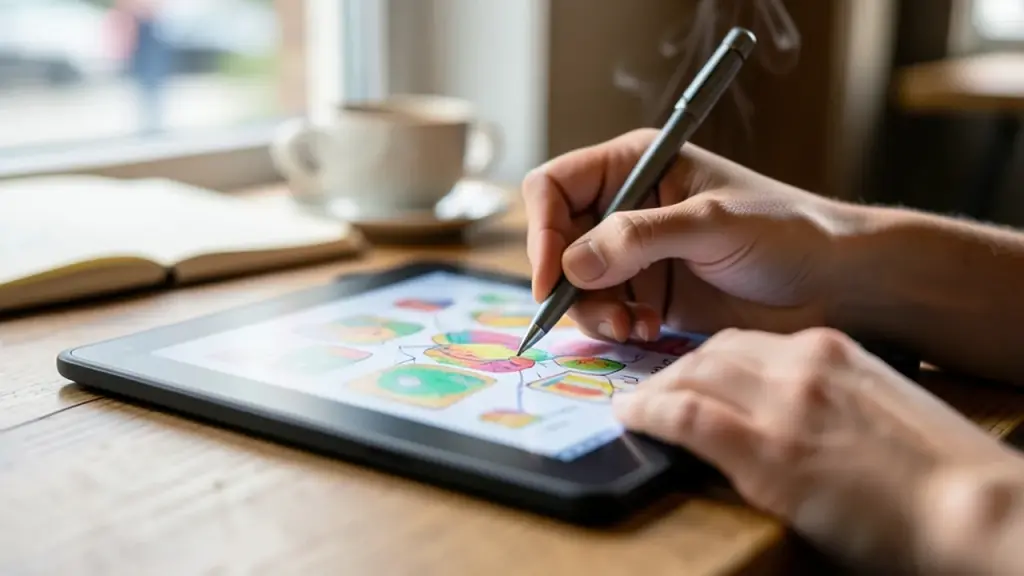
E Ink today unveiled the Kaleido 4 color e-paper screen, a follow-up to Kaleido 3 that many color e-readers and note-taking devices rely on. The goal is simple: brighter text on color images, more vibrant colors, and smoother updates when you move from one page to the next or sketch on a note page.
Compared with Kaleido 3, Kaleido 4 promises a bigger jump in color realism, boosting the white reflectance by about 15 percent and increasing contrast by roughly 50 percent. It’s still a color-filtered approach rather than full RGB color like an LCD, so you won’t get the same color punch as a tablet with a backlit screen. But for readers who want color in an e-paper world, think illustrated notes, color diagrams, or magazines, the improvements should feel noticeable.
Refresh speed matters for e-paper, especially when you’re flipping pages or drawing. Kaleido 4 uses an oxide TFT backplane that helps push refresh rates up to 18 frames per second. That’s faster than many older color e-paper setups, which can feel sluggish when you’re trying to read or take quick notes.
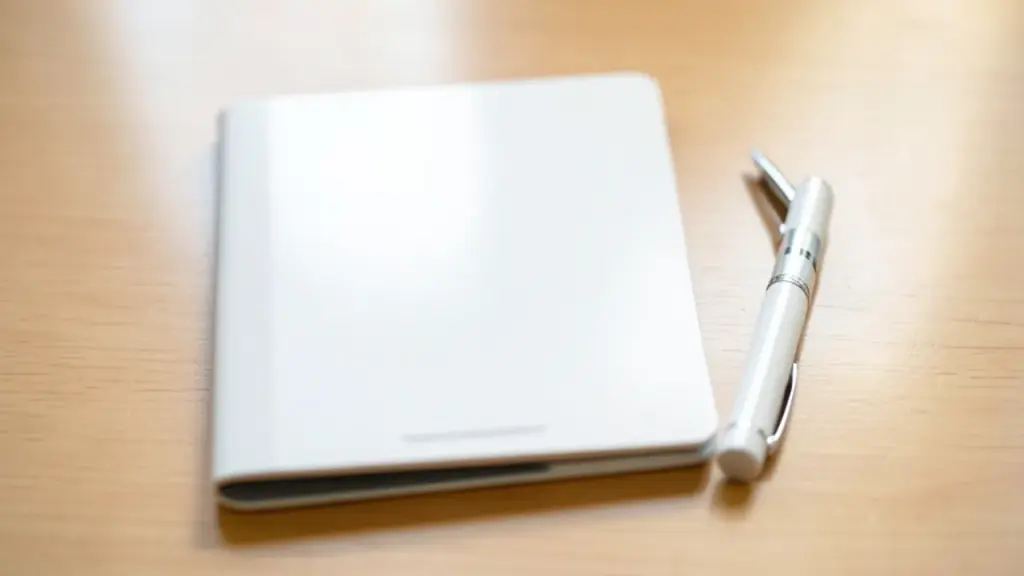
In practice, Kaleido 4 will first appear on a new note-taking tablet from Hanvon Technology, named the M10C II. The company says the device will launch in China, and it will be the first to ship with Kaleido 4. Other brands that use Kaleido 3 now have a clearer upgrade path to Kaleido 4, but there are no announced United States or European launches yet.
Why this matters to everyday readers, not just gadget fans, is simple. Color e-paper can make longer reads and study sessions more comfortable by reducing eye strain while still offering excellent daytime readability. It also opens the door to more affordable color note devices without the glare and battery drain of backlit screens. If Kaleido 4 proves durable and bright in real-world use, other e-reader and note-tablet makers might follow with color devices that last days on a charge, not hours.
For now, the key trade-off remains: these are still lower resolution color panels. You’ll see fewer colors than a modern LCD or OLED screen, and some color images can look more saturated or muted depending on the scene. Still, Kaleido 4’s win is a higher-fidelity color experience that stays legible in bright light and consumes less power than full-color backlit screens.
What happens next could hinge on how quickly Hanvon’s M10C II finds buyers and whether other brands pick up Kaleido 4 for their own devices. If demand proves strong, Kaleido 4 could help color e-paper move beyond niche e-readers into more mainstream note devices and educational tools, especially in markets where outdoor readability and long battery life are prized.
01
Which devices will get Kaleido 4 first
Right now, the first device announced with Kaleido 4 is Hanvon’s M10C II tablet in China. There are no confirmed US, UK or Canada releases yet, and no other manufacturers have publicly announced Kaleido 4 adoption for their upcoming models.
02
The trade-offs you should know
Kaleido 4 keeps its color palette at 4,096 colors, the same ceiling Kaleido 3 uses. The improvement comes from a brighter white surface, stronger contrast, and faster refresh, not a huge jump in color depth. If you want vibrant color for video and photos, you’ll still want an LCD or OLED device. If you want long battery life and easier reading in the sun, Kaleido 4 could be a step forward.
03
What this means for everyday readers
For US, UK and Canada readers, the practical impact is about future options. Color e-paper that refreshes more quickly and shows truer whites could improve note-taking, textbooks and magazine-like content on color e-readers without draining the battery as quickly as a backlit screen would. If Kaleido 4 accelerates adoption, you may see more color e-note devices and potentially more affordable color readers in the years ahead.
04
What happens next
Watch for further announcements from other e-reader and note-device makers about Kaleido 4. If a US or UK release follows, expect official price and availability details to accompany the launch, rather than rumor. In the meantime, keep an eye on reviews of Hanvon’s M10C II for real-world brightness, color accuracy and battery life.
Apple’s Greg Joswiak tells TIME that Apple isn’t worried about OpenAI’s hardware ambitions and argues Apple’s ecosystem offers a stronger everyday-people advantage.