Instinct AI started as a buzzy, invite-only personal assistant that uses text chat and can access your email and calendar.
Now Muse and Dots, from OpenAI and Meta, have released competing agents, increasing pressure on Instinct.
In tests, Instinct handles tasks via text and can link to services, but it also faces data and access limitations similar to its rivals.
Quick read · 1 min
Instinct AI is the buzzy text-based personal assistant that helps with everyday tasks like scheduling and email. Now Muse and Dots from big tech players have joined the field, creating more competition. In tests, Instinct handled tasks well, but data gaps can still trip it up, just as with its rivals. For users, the big question is privacy and how much access you’re comfortable giving to your calendars, inbox, and online accounts. Look for small tasks first to gauge reliability, then adjust permissions as the field evolves.
What it does: text-based assistant that can link to services.
Why it matters: faster, calmer daily routines if trusted with data you choose to share.
Next steps: review permissions and try a few simple tasks now.
Instinct AI, the text-message based personal assistant that gained rapid attention after its quiet, invite-only launch, now faces stiff competition from two big-name rivals. Muse and Dots, both from major tech players, entered the field with similar goals: turn conversations into actions like scheduling, ticket searching, or email follow-ups. The shift matters because it means everyday tasks, from booking a DMV appointment to sending follow-up emails, could soon be fully handled by AI helpers embedded in your messages, not just standalone apps.
What makes Instinct different is its approach: no traditional app interface. It works through text messages, with a virtual “brain” that can log in to websites via a secure vault and connect to services such as email and calendars. The idea is to blur the line between talking to a helper and having it do stuff for you, all without forcing you into another app or tab. That approach is appealing for people who want the simplicity of messaging apps, but it also means you’re entrusting it with access to personal data and routine tasks.
I’ve really been enjoying Instinct, a personal AI agent. The simplest description for it is: OpenClaw for normal people.
It feels like magic. And contrary to what some people have said, I don’t think the appeal is limited to Silicon Valley types, we are setting my dad up with it…
Which tasks can Instinct handle, and how does it work?
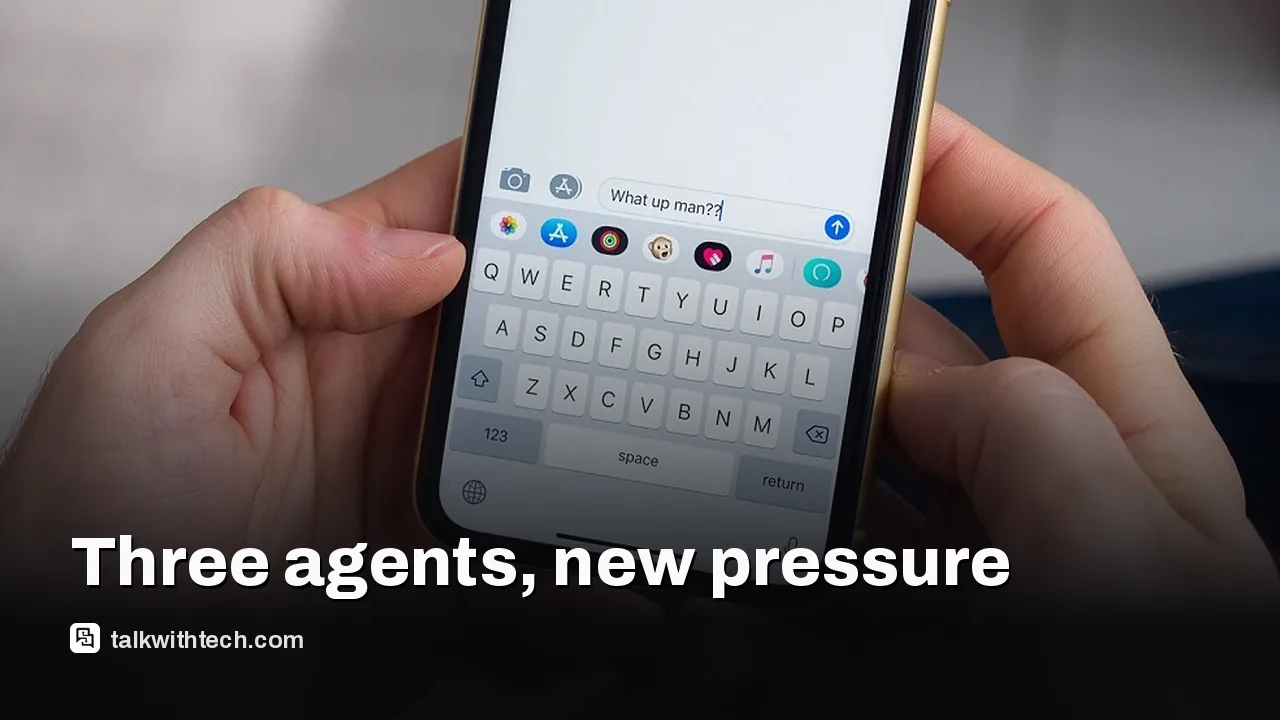
Instinct’s selling point is the ability to handle life admin tasks through a text chat. You can request tasks like finding a swimming lesson or emailing a doctor, and the assistant will respond with results or take action by visiting a linked service. If you want it to log in to a specific site, you’re directed to enter credentials in a secure vault. It’s designed to work where you already text, iMessage, WhatsApp, or email, rather than forcing you into a new app ecosystem.
02
How does Instinct compare to Muse and Dots?
Both Muse and Dots launched to challenge Instinct’s model, offering similar text-based assistants with even tighter ties to their respective ecosystems. In hands-on testing, Instinct held its own against the new rivals on many tasks, handling online requests and some follow-up actions as effectively as a personal assistant could today. Yet there are limits. The same internet data that helps AI agents find flights or sign you up for lessons can also miss nuance, like enrollment prerequisites or pop-up windows that a human would notice. That kind of data gap is a recurring challenge for all three services as they scale.
03
What this means for your privacy and data
These AI agents work by connecting to your tools, calendars, email, shopping histories, and more. That can save time, but it also means more data is flowing to automated helpers, sometimes via “secure vault” links or similar protection mechanisms. If you’re wary of giving a chat-based assistant access to your schedules or inbox, you’ll want to review what permissions you grant and which tasks you allow it to automate.
04
Why this matters to you, in practical terms
For everyday users, these AI agents promise to reduce the friction of common tasks. If you frequently juggle appointments, reminder emails, or online sign-ups, a capable assistant could save time. On the flip side, you’ll need to watch for accuracy and privacy as the tools grow more capable. The line between helpful automation and overreach can blur if an assistant starts taking actions you didn’t intend or access your data in ways you didn’t anticipate.
As Muse and Dots push harder into consumer life, Instinct will likely refine its text-based workflow and expand service integrations. For users, the immediate next step is simple: consider which tasks you’d like an AI assistant to handle and review the privacy settings for the service you choose. Start with small tasks to see how well the agent handles real-world data and adjust permissions as needed.
06
Quick answers
What is Instinct AI?
Instinct AI is a text-based personal assistant that can perform tasks by chatting and can connect to services via a secure vault or logged-in accounts.
How is Instinct different from Muse and Dots?
All three are text-based assistants, but Muse and Dots come from larger tech players with similar goals, increasing competition and pressuring Instinct to expand features and integrations.