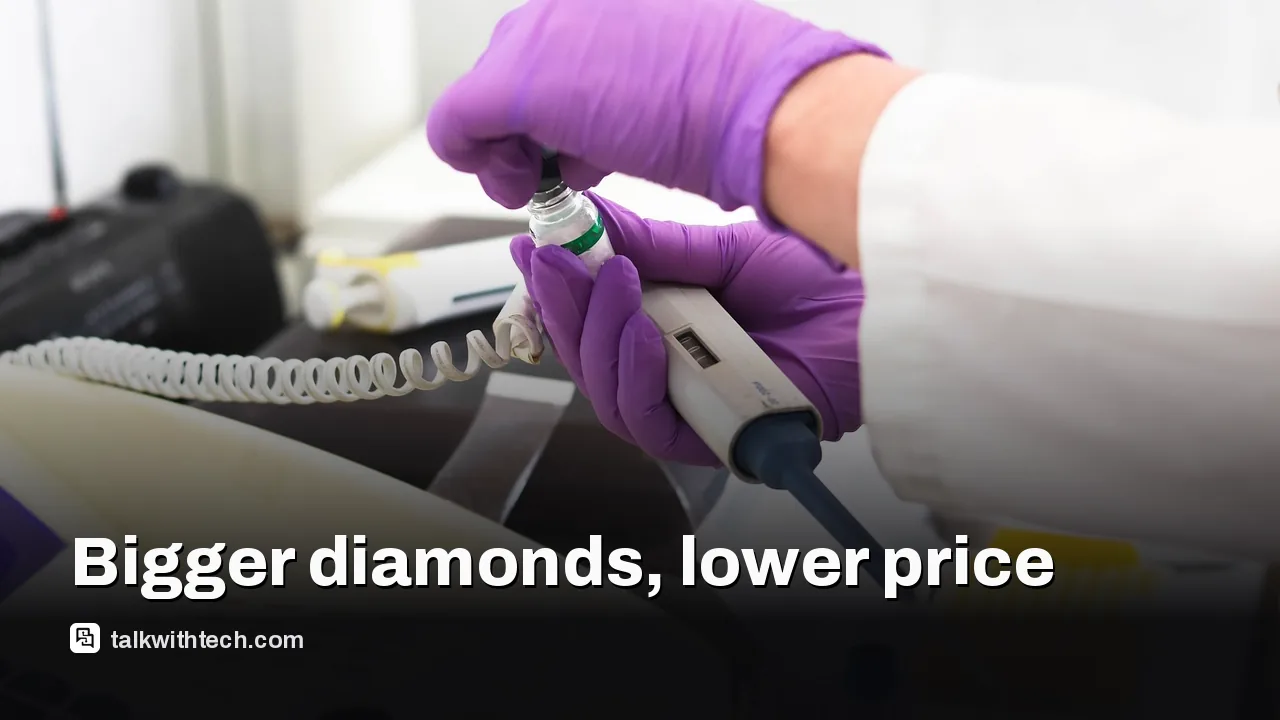
Lab-grown diamonds have the same chemical and physical properties as mined diamonds but are created in laboratories using HPHT or CVD methods.
These diamonds are typically cheaper, sometimes by as much as 75%, depending on size and quality, enabling bigger stones for the same budget.
Growing diamonds can be more environmentally friendly and offers traceable supply chains to help avoid unethical mining practices.
Manufacturers can tweak the process to produce specific colors, expanding options beyond traditional color ranges.
Quick read · 2 min
Lab-grown diamonds are real diamonds, created in laboratories using high pressure, high temperature or chemical vapor deposition. They usually cost less than mined stones, so you can get a bigger stone for the same budget. They also offer traceable supply chains and can be produced in a wider range of colors. For shoppers, the key is to check certifications and energy sourcing to verify quality and ethics. Expect more retailers to offer lab-grown options as demand grows, making it easier to compare price and provenance in one place.
What happens next is simple: more choices, more transparency, and continued growth in the lab-grown diamond market. If you’re curious, ask about the production method and certification when you shop.
Ask for certification that confirms color, carat, clarity and cut
Inquire about energy sources used in production
Compare similar stones across labs for true value
Lab-grown diamonds are diamonds in every meaningful way, but they’re created in a lab instead of mined from the earth. They have the same chemical makeup as natural diamonds and share the same optical properties, which is why they look and sparkle like the real thing. The big difference is how they’re made.
There are two main methods used to grow these stones. The first is High Pressure, High Temperature (HPHT). In HPHT, a tiny seed sits in a press with carbon and a metal catalyst, then is heated and pressed until carbon atoms arrange into a diamond around the seed. The second method, Chemical Vapor Deposition (CVD), fills a vacuum chamber with carbon-rich gas and uses a plasma to deposit carbon onto a seed, growing the stone over several weeks. After growth, stones are cut and polished like mined diamonds.
Estimates of how common lab-grown diamonds are have grown in recent years. For example, in 2020, researchers counted about 6–7 million carats produced. That growth is part of a broader push toward gems that can deliver similar sparkle for less money and with more transparent sourcing.
01
Why shoppers are turning to lab-grown diamonds
There are three practical reasons shoppers consider lab-grown diamonds: price, provenance, and environmental impact. On average, lab-grown stones can be significantly cheaper than natural stones of similar size and quality, meaning you can opt for a bigger stone or a better overall cut for the same budget. The supply chain tends to be more traceable, which appeals to buyers who want to avoid the ethical concerns associated with some mining practices. And because the diamonds are created in controlled settings, they can be produced with a smaller environmental footprint than traditional mining, depending on the energy sources used in production.
02
Color, cut, and quality on demand
Growing diamonds in a lab lets scientists tweak the process to achieve different colors and properties. By adjusting trace elements or growth conditions, producers can create yellow, pink, blue, and other colors, expanding the range beyond what’s common in nature. That means more choices for people who want a specific look without paying a premium for very rare natural stones.
03
What this means for everyday shoppers
If you’re shopping for an engagement ring or a special occasion piece, lab-grown diamonds offer a practical alternative without sacrificing sparkle. You’ll want to verify a retailer’s ethics and energy sources, even with lab-grown gems, and check for certification that confirms color, carat, clarity, and cut. Prices vary by size and quality, so it’s worth comparing stones with the same grading terms to get a true read on value.
04
What happens next
As demand grows, more retailers are offering lab-grown options alongside traditional mined diamonds. That makes it easier to compare price and provenance in one place. If you’re curious, ask retailers about the energy sources used in production and whether the company provides verifiable provenance or third-party certifications.
Apple’s new HomeView brings together elements of iMac, HomePod, iPad and Apple Watch in a single home display for $299, but questions remain about practicality and value.