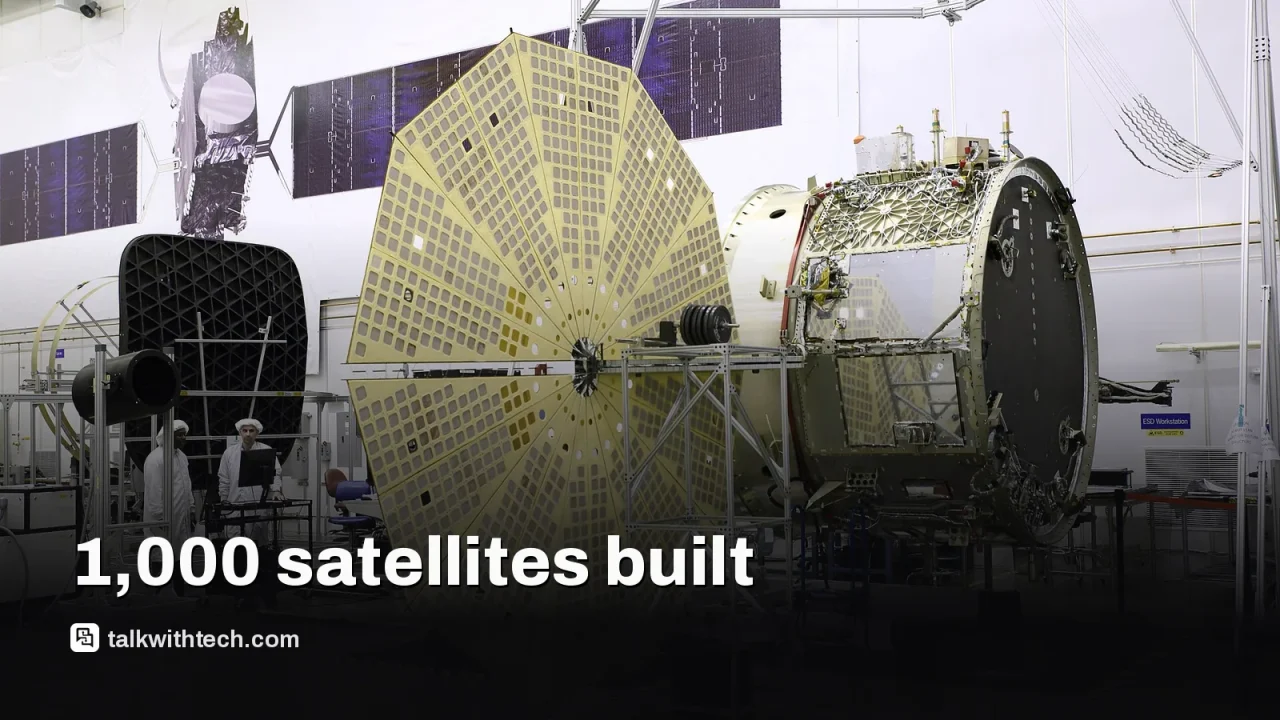
Amazon says it has built its 1,000th broadband satellite and is weeks away from commercial service.
The company now produces 27 satellites per week, far faster than the early phase.
Only 396 satellites are currently in orbit, with thousands more planned.
Regulators and launch partners are coordinating to deliver space-based internet to customers.
Quick read · 1 min
Amazon says it has built its 1,000th broadband satellite and expects service to begin in a matter of weeks. The company has sped up production to 27 satellites per week, though only 396 are currently in orbit. With launches lined up and regulatory steps moving, customers could see the first space-based internet offerings soon, though pricing and exact rollout details remain to be announced.
Why it matters to you: space internet could complement ground networks, offering better coverage where fiber or cell signals are weak. What happens next depends on when Amazon confirms pricing and which regions start first.
What’s next: more launches, regulatory filings, and official pricing and plans from Amazon in the coming weeks.
Amazon says its space-based internet project, Leo, has hit a new milestone: the company has built its 1,000th broadband satellite. The company also says service could begin offering commercial broadband within weeks, moving from prototype and testing to turning on paid service for customers.
Rajeev Badyal, who runs the Leo program, told reporters that the constellation is now being produced at a far faster rate than its early days. The factory in Kirkland, Washington, has shifted from building 27 satellites in six months to producing 27 satellites a week. Despite the production speed, the number currently orbiting remains at 396, a gap that Amazon is working to close as launches and regulatory steps line up.
The pace of development matters because efficiency in manufacturing and the ability to launch on multiple rockets directly affects how quickly customers can access space-based internet. Amazon has faced delays and regulatory hoops around spectrum use and launch licenses, and regulators have promised to adjust timelines as hardware and flight manifests prove ready.
01
What this means for you
For consumers, the immediate takeaway is the potential for high-speed internet access from space, especially in areas with weak terrestrial coverage. Businesses could also benefit from more stable connectivity in remote ports, ships, or fields where ground infrastructure is sparse. But a lot hinges on when, where and how much it will cost to sign up.
02
Where Leo will start serving customers
Amazon has not announced a precise country-by-country rollout date in this update. What it did emphasize is that service is “weeks away” from commercial operation and that the first missions will be supported by existing launch vehicles, including Vulcan rockets, and European partners as part of its broader beta network across continents.
03
Regulatory and launch hurdles
To deliver broadband from orbit, Amazon must coordinate spectrum usage, orbital slots, and launch schedules with regulators and launch providers. The company has faced a patchwork of approvals and deadlines, with regulators indicating they could adjust timelines if hardware builds and launch manifests are in place. Analysts will watch closely to see whether the company keeps to its stated timeline as more satellites go into orbit and more launches take place.
04
Prices, plans and privacy considerations
At this stage, there are no confirmed prices or service plans. Any space-based internet is likely to be sold much like other broadband services, with monthly fees and potential data caps. Privacy and security implications will depend on how the network is managed and what data passes through these satellites, just like any internet service provider.
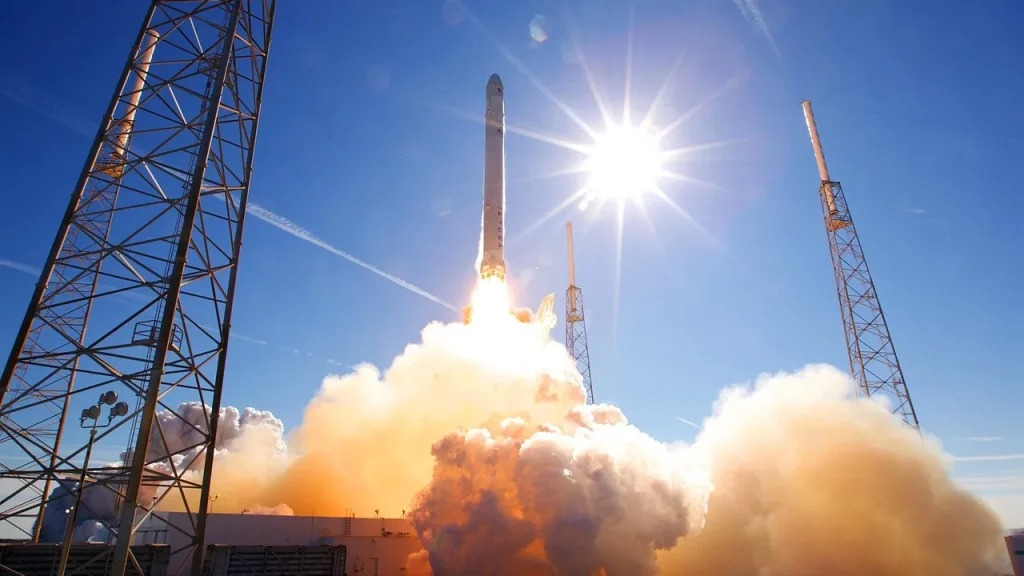
Expect a flurry of launches in the coming weeks as Amazon leverages its Kirkland plant and multiple launch partners. We should also see more detail about availability, pricing and which regions come online first as the company files updated manifests with regulators.
06
Quick answers
When will service start?
Amazon says the service will be available in weeks, but exact dates and regions haven’t been published yet.
Where will it be available first?
The company has not specified a rollout map; expectation is a staged launch across multiple regions as satellites come online and regulatory approvals align.
How much will it cost?
Pricing details haven’t been disclosed. Look for plans and hardware options to be announced as the service nears wider availability.
Bloomberg and others say Apple plans two late-October launches: a touchscreen MacBook Pro family and an OLED iPad mini, with both an online briefing and in-person press events.
Spotify is launching technology.spotify.com to offer its internal developer tools to other companies, expanding years of open source and paid offerings into a formal enterprise line.
3 min read
We use cookies to understand how readers use Talk With Tech, so we can make it better. Is that OK? Privacy policy
The Daily Brief
Today's biggest tech stories, in 5 minutes
Every morning, the news that matters from AI, phones, apps and the people shaping tech. Explained in plain English. Free.
One email a day. No spam, unsubscribe anytime. Privacy policy