Wednesday, 18 November 2026

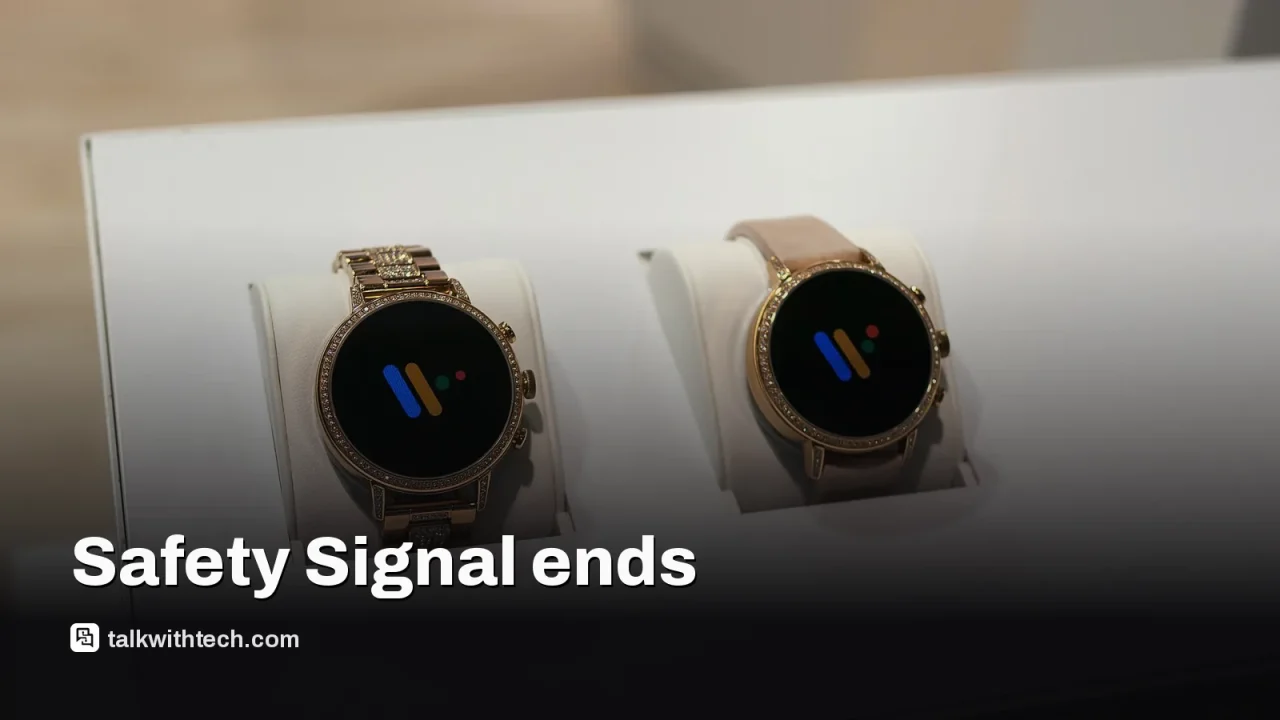
Your Pixel Watch LTE will need a phone after Safety Signal ends

Google is ending the free LTE emergency link on Pixel Watch 2 and 3 on December 12. After that, phone-free SOS needs your own paid watch plan.

Wear OS, related to: Your Pixel Watch LTE will need a phone after Safety Signal ends
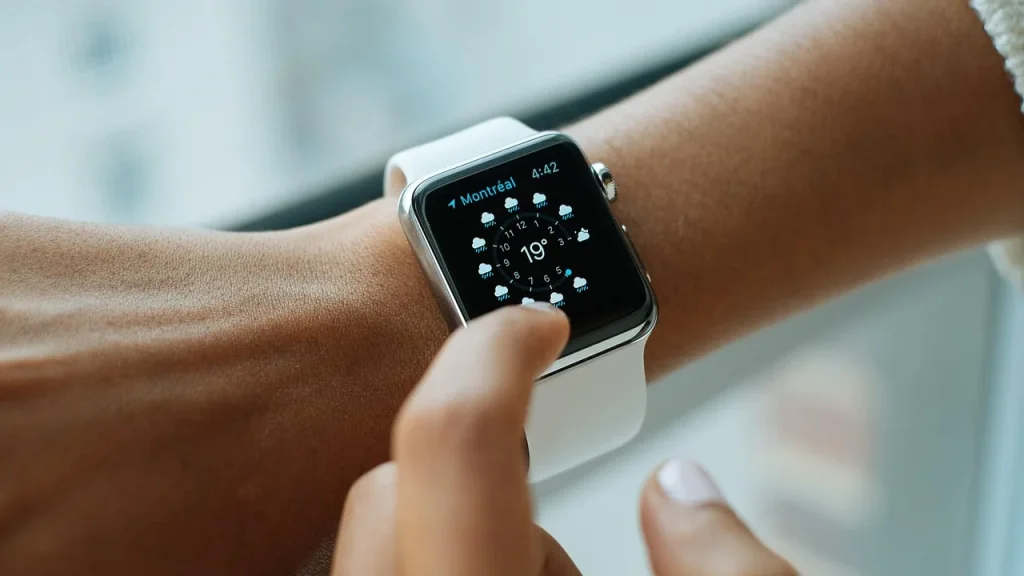
Photo: Matti Blume / CC BY-SA 4.0 (modified)

The short version

  • Google will switch off Safety Signal on LTE versions of the Pixel Watch 2 and Pixel Watch 3 on December 12, 2026.
  • Safety Signal let those watches reach Emergency SOS and Fall Detection alerts over LTE without a paid carrier plan or a nearby phone.
  • Owners get an email and push alert, then a 30-day transition period before the service stops.
  • Emergency tools keep working over Wi-Fi, a Bluetooth link to your phone, or a watch plan you pay a carrier for.
Quick read · 2 min

Google is switching off Safety Signal on LTE versions of the Pixel Watch 2 and Pixel Watch 3 on December 12, 2026. The feature let those watches use a cellular connection for Emergency SOS, Fall Detection and other safety tools without a paid watch plan or a phone nearby.

The tools themselves aren't going away. After the cutoff they work over Bluetooth to your phone, over Wi-Fi, or with a cellular plan you pay a carrier for. The people who lose out are owners who leave the phone at home on runs, walks or hikes and never added a watch line.

  • Users get an email and push alert, then a 30-day transition period.
  • Google hasn't said why it is ending the feature.
  • Options: add a carrier plan, carry your phone, or rely on Wi-Fi.

If you depend on phone-free alerts, sort out a plan before mid-December.

On December 12, a free safety net disappears from some Pixel Watches. Google is ending Safety Signal, the feature that let LTE versions of the Pixel Watch 2 and Pixel Watch 3 call for help over a cellular network even when the owner had no phone nearby and no mobile plan for the watch.

If you run, hike or cycle with only your watch, this matters. After the cutoff, a Pixel Watch 2 or 3 left without its phone and without Wi-Fi can no longer send an SOS or a fall alert unless you pay a carrier for a watch line. Google has not given a reason, and it has not announced a free replacement for these two models.

01

What Pixel Watch Safety Signal actually did

Safety Signal was a quiet backup connection for emergencies. LTE watches have a cellular modem inside, but most people never add them to a phone plan because that costs extra each month. Safety Signal let the modem wake up for safety tools anyway, at no extra carrier cost.

With it, a watch on its own could use:

  • Emergency SOS, which contacts emergency services quickly
  • Fall Detection, which alerts others if you take a hard fall and can’t respond
  • Safety Check and Emergency Sharing, which let chosen contacts know where you are

The feature first came with Fitbit Premium and later moved into the Google Health Premium subscription. It was offered in the United States, Canada, the United Kingdom and Germany, and only on the LTE versions of the Pixel Watch 2 and Pixel Watch 3. Wi-Fi-only watches never had it.

Close-up of a modern smartwatch on a wrist
02

Why is Google ending Safety Signal on December 12?

Google hasn’t said why. The company announced the change in a short post on its Pixel Watch community forum, confirmed the December 12 date and described the shutdown as the end of the free LTE access, not the end of the safety tools themselves.

There were early hints. Weeks before the announcement, code inside an update to the Pixel Watch app carried lines telling users that Safety Signal was “going away” and pointing them to a help article about other ways to stay safe. The official post then made it final.

One likely factor is that Google’s newer watches handle this job differently. On recent Pixel Watch models, Google has leaned on satellite SOS for emergencies far from a cell signal, so the older free LTE fallback no longer fits the lineup. The latest generation, the Pixel Watch 5, comes in two sizes and in Wi-Fi-only or LTE versions, with LTE costing extra. That is background, though, not a reason Google has given.
Play video: Googlebook Begins
03

The 30-day countdown and how you’ll be told

Current Safety Signal users will get an email and a push notification before the cutoff. A 30-day transition period starts from the date of that email, and the feature keeps working during it. All access ends on December 12, 2026.

If you subscribe to Google Health Premium and own an LTE Pixel Watch 2 or 3, watch your inbox through November. The email is your signal that the clock has started, but the end date is fixed either way.

Padlock
04

What still works after Safety Signal ends

The safety features themselves stay. Emergency SOS, Fall Detection, Safety Check and Emergency Sharing all keep running on these watches. What changes is the connection they need. After December 12, each tool works only when the watch has one of these:

  • A Bluetooth link to your paired phone
  • A Wi-Fi network
  • An active cellular plan for the watch that you pay a carrier for

So the catch is narrower than it first sounds. You don’t lose the features if your phone is in your pocket or you’re at home on Wi-Fi. You lose them only in the exact moment Safety Signal was built for, when you’re out alone with just the watch and no plan.

05

What this means for you if you leave your phone at home

For most owners, little changes. If your phone is usually within Bluetooth range, your watch will reach for help through it as it does today.

The people who lose out are the ones who bought an LTE watch precisely so they could leave the phone behind and skipped the monthly plan because Safety Signal covered emergencies. Think of a runner on a dawn route, an older relative who takes walks with only the watch, or someone hiking a local trail. For them, the free backup is going away, and the choice is between paying for coverage and changing habits.

Here are the realistic options:

  • Add a watch line. Ask your carrier about a smartwatch plan for the LTE Pixel Watch. This is the most dependable way to keep phone-free SOS and fall alerts.
  • Carry the phone. A phone in a pocket or armband keeps every safety tool live over Bluetooth at no extra cost.
  • Plan around Wi-Fi. At home or work, Wi-Fi keeps the features running, but it won’t help on a trail or a road.
  • Consider a newer watch. If you’re replacing hardware anyway, check whether the model you want offers satellite SOS in your country.
06

What to do before December 12

First, confirm your model. Open the Pixel Watch app on your phone and check whether your watch is an LTE version. If it is Wi-Fi only, nothing changes for you.

Next, test your setup. With your phone nearby, make sure Emergency SOS and Fall Detection are turned on and that your emergency contacts are current. Then decide, before mid-November, whether you want a carrier plan in place by the time the transition window closes.

Finally, tell anyone who relies on your watch alerts, such as a family member who gets your fall notifications, that coverage away from the phone will depend on a plan or Wi-Fi after the cutoff.

07

Quick answers

Does Safety Signal still work right now?

Yes. It keeps working until December 12, 2026, including during the 30-day transition period that starts when Google’s email arrives.

Will my Pixel Watch still call for help after December 12?

Yes, if it’s paired with your phone over Bluetooth, on Wi-Fi, or on a paid carrier plan for the watch. Without any of those, it can’t send an SOS on its own.

Which watches are affected?

Only the LTE versions of the Pixel Watch 2 and Pixel Watch 3. Wi-Fi-only models never had Safety Signal.

You're reading the quick version.