Dirt and debris on solar panels can reduce output, but the benefit of cleaning depends on location, rainfall, and panel angle.
Cleaning can boost performance, but gains vary and over-cleaning or harsh methods can cause damage.
Before cleaning, check your system’s data to see if cleaning would meaningfully increase energy production.
Quick read · 1 min
Cleaning solar panels can help them produce more power, but the benefit depends on where you live and how dirty the panels get. Don’t expect a huge, universal boost. Check your system’s energy data first to see if cleaning could matter for you.
How to do it safely: use only water or manufacturer-approved cleaners, wash during cooler parts of the day, and avoid harsh tools that could scratch the surface. If you’re not comfortable on the roof, hire a pro.
What to watch for: if production has already been steady, cleaning might not be worth the cost. If you do decide to clean, keep it gentle and follow the maker’s instructions.
Cleaning solar panels can improve how much power they produce, but it isn’t a guaranteed big boost. Dirt, dust, pollen, bird droppings, and other grime can block sunlight. The impact varies by where you live, how much rain you get, and the angle of your panels. In short: cleaning helps, but don’t expect a dramatic 20 percent jump every time.
Two important concepts from the data: first, how much energy you’re losing due to soiling isn’t fixed. The same amount of grime can affect one installation more than another. Second, cleaning can backfire if not done carefully; scratches, mineral deposits from hard water, or using aggressive cleaners can damage coatings or wiring and may void warranties.
Real-world results are mixed. Some studies show rough estimates of energy losses from soiling and modest gains after cleaning, while others report smaller or larger improvements depending on local conditions. A ballpark takeaway: if you’re in a dry or dusty area with pollen or birds nearby, your panels might benefit more from cleaning than a rainy, low-dust climate.
How do you decide if cleaning is worth it for you? Look at your inverter or monitoring data. If your noon-to-noon production dips compared with typical patterns during a dry spell, cleaning could help. If production has stayed steady, cleaning may not be worth the effort or risk.
Costs matter too. Professionals can charge around typical regional rates for residential solar cleaning, and you’ll want to compare that with the value of the extra electricity you’d gain. Even in an energy-dense scenario, if your system is small or already clean, the payback could be lengthy.
What about automatic options? There are sprinkler-based systems and water-free robots designed for solar farms, but those are usually for larger projects. For most homes, manual cleaning is the common approach when needed.
In the end, cleaning solar panels is a practical decision based on data and climate. It’s not a universal fix, but it can pay off in the right conditions and with careful technique.
01
When cleaning pays off
Use your system’s production data as a guide. If your panels have not rained for a long spell and pollen or dust has built up, a cleaning could recover some lost output. If energy production remains steady even during dry periods, it’s probably not worth the risk or cost.
02
How to clean safely
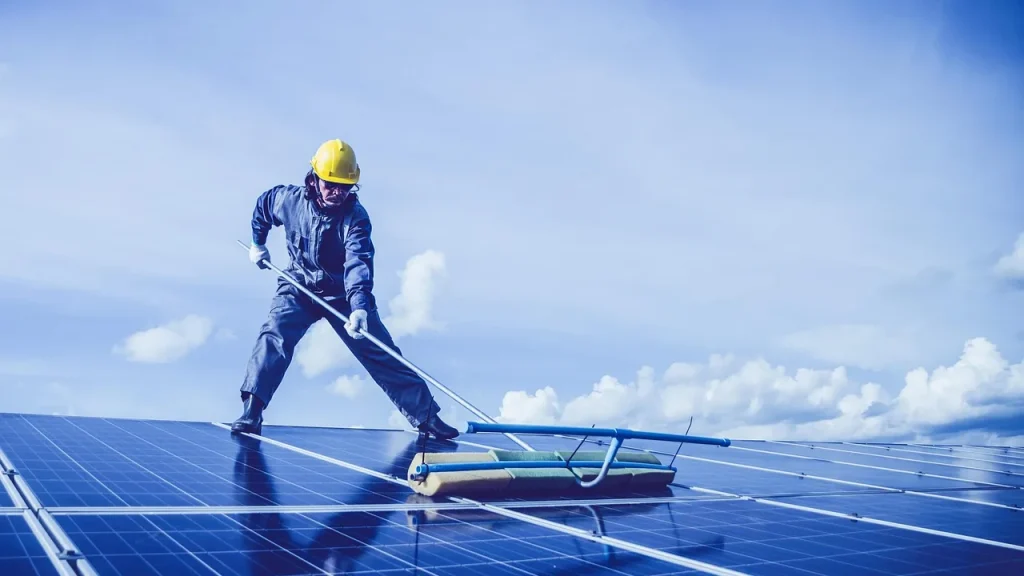
Start with the panel manufacturer’s manual. Some brands allow mild soap; others require only clean water. Use cool times of day to avoid heat damage, and rinse gently with clean, low-mineral water. Use a soft sponge or cloth and avoid abrasive tools, hard water, or high-pressure sprays that can scratch coatings. Never mix cleaners unless explicitly approved by the maker.
Inspect for damage first, and if you spot cracks or signs of wear, call a professional. If you do hire someone for a roof job, ensure they’re trained and insured. For DIYers, keep safety top of mind and consider hiring a pro if climbing onto your roof isn’t something you’re comfortable with.
03
What to consider before you pay for cleaning
Think about the panel area, typical grime sources, and whether the potential energy gain will cover the cost. For some homeowners, a one-time wipe down during a long dry spell is enough, while others in harsher climates may benefit from a regular cleaning schedule.
04
What this means for everyday people
If you monitor your solar output and notice a drop during dry periods or when pollen counts are high, cleaning could help boost your system’s efficiency. If your production looks normal, there’s no urgent need to climb on the roof. When you do clean, take it slow, use the right tools, and follow your manufacturer’s guidance to protect your warranty and your investment.
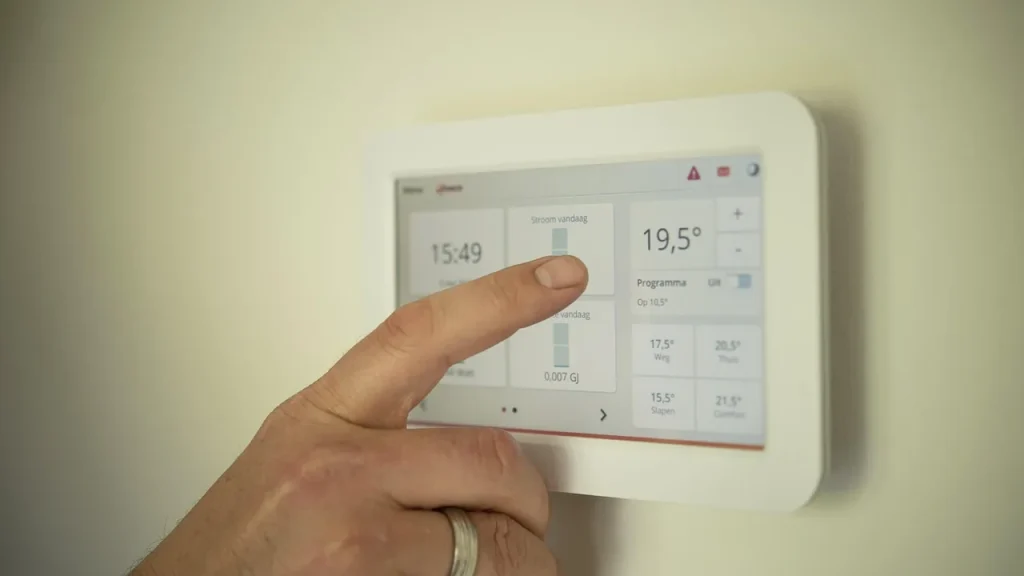
As more homeowners weigh the cost-benefit of cleaning, expect to see more guidance from manufacturers and installers about best practices and safe methods for DIY cleaning. If you’re curious about your system’s performance, log into your monitoring app and compare days with and without visible grime.
06
Quick answers
How much energy can cleaning save?
Results vary; cleaning can boost output, but the amount depends on location, grime, and how well the panels were performing before cleaning.
Is it safe to clean solar panels myself?
Yes, if you follow the manufacturer’s guidance, use cool water, and avoid abrasive tools or high-pressure sprays. If you’re unsure, hire a professional.
Should I use soap to clean?
Only if your panel maker allows it. Otherwise, plain water is usually recommended. Always rinse off cleaners thoroughly if used.
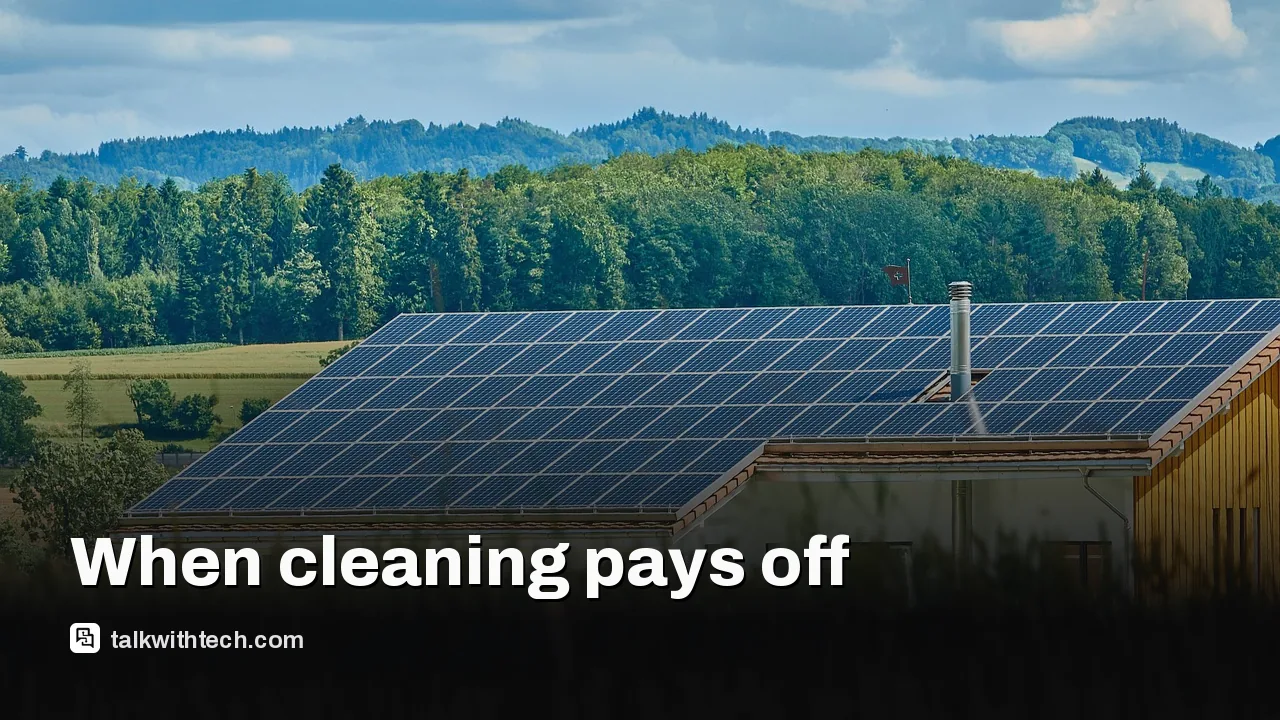
Main image: solar panel array on a sunny roof
Mid-article: close-up of a hand washing a panel with a soft cloth
Later: a homeowner checking a solar-monitoring app
A Sierra Space project demonstrates a 5- to 10-ton Ghost reentry pod returning supplies to any point on Earth within 90 minutes, as part of a broader space-based logistics concept.