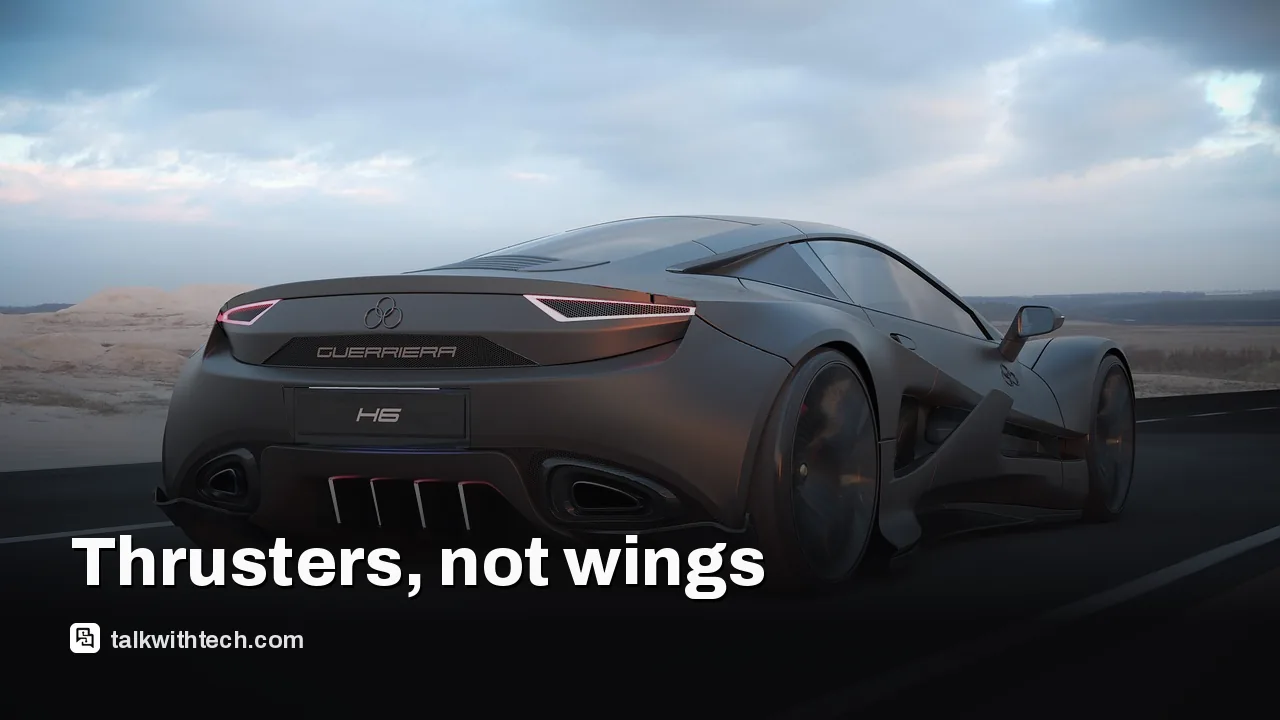
Using small thrusters to spin, steady and redirect a vehicle in midair is not new. Lockheed Martin worked on the same basic idea for missile defense under a program called the Multiple Kill Vehicle, or MKV.
The serious work began in 2004, when the US Missile Defense Agency gave Lockheed Martin a $760 million contract. The goal was a single launch that could take out several incoming ballistic missiles and decoys at once. The MKV carried a set of smaller vehicles that would crash into their targets, and thrusters let them change direction and orientation very quickly, much like the Roadster’s nozzles keep it upright.
Raytheon ran a separate development track on the same concept. Both efforts ended in 2009, when the original MKV program was cut as part of military budget reductions. The broader idea goes back further, to the Reagan-era Strategic Defense Initiative, better known as Star Wars. Be careful with old clips labeled as Lockheed MKV footage, though. Lockheed Martin only came into being in 1995, so anything older credited to it is doubtful.
One real difference: the MKV went through what a 2008 Lockheed Martin press release called hot-fire tests, which suggests part of it burned fuel. Tesla’s system stores gas and lets it out, which is presumably less likely to catch fire.