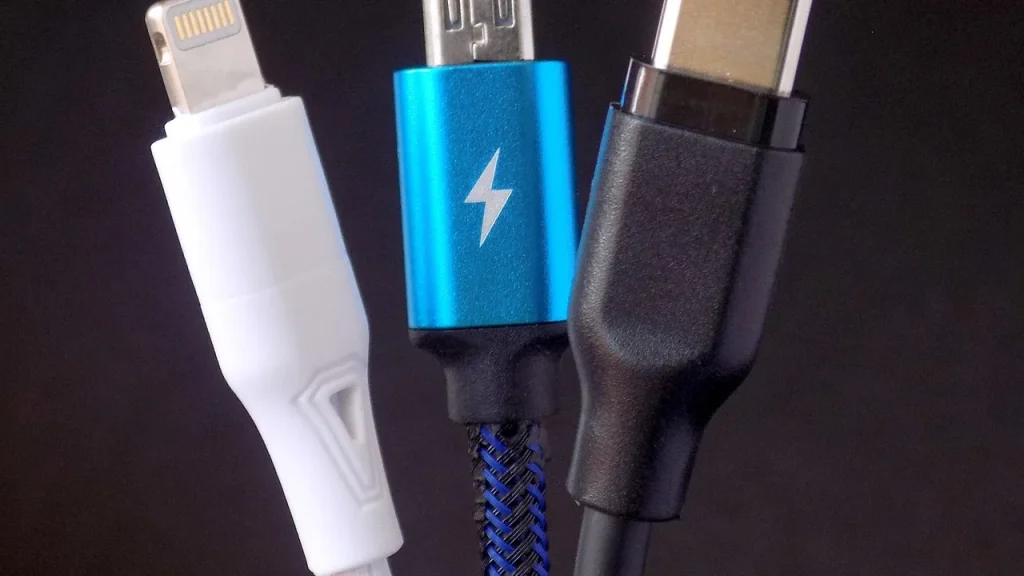
USB-C is the current standard connector, replacing older USB-A and USB-B with a slim, reversible design.
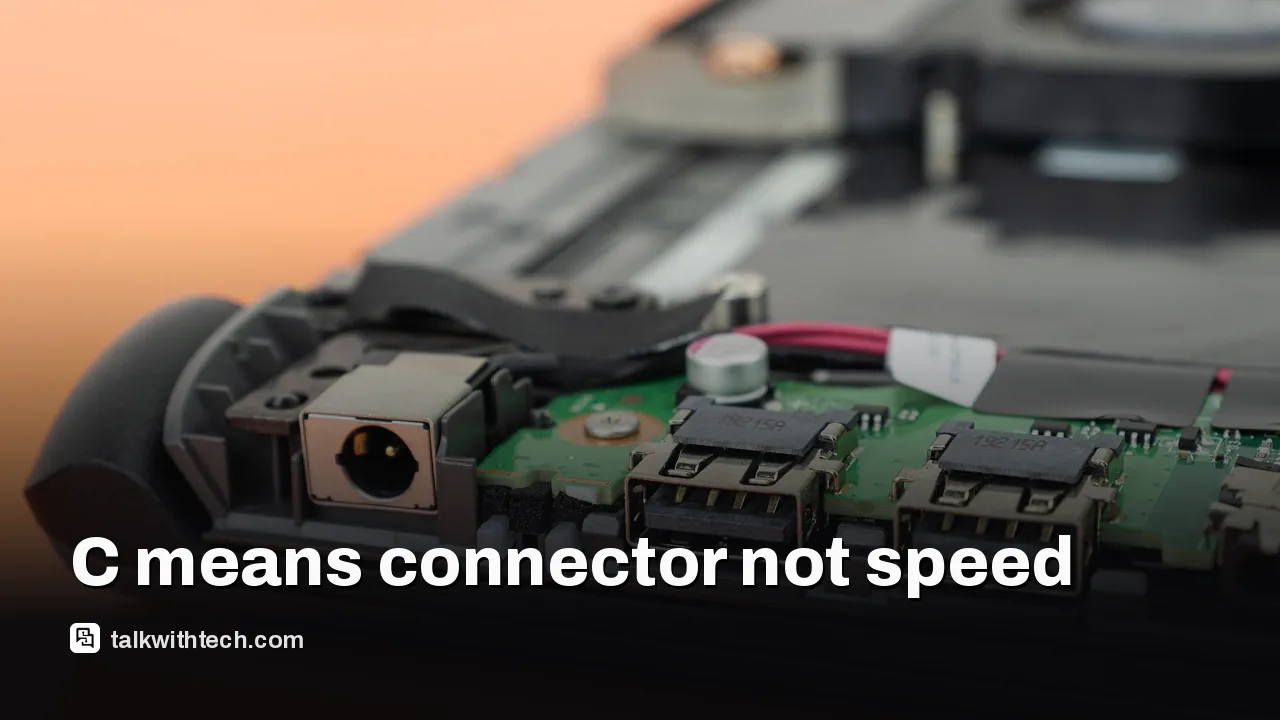
The C is not an acronym; it labels the latest design in the USB family, not a single feature.
Data and power speeds vary because USB-C supports multiple protocols across devices, from basic USB 2.0 to high-speed options like USB 4 and Thunderbolt.
To get the best performance, check both your device’s port and the cable you pair with it.
Quick read · 1 min
USB-C is the common, reversible connector you’ll see on phones, laptops, and accessories. The C isn’t an acronym for charging or any single feature. It marks the latest design in the USB family.
Speed and charging aren’t guaranteed by the letter alone. Real performance depends on the USB protocol the port supports and the cable you use.
What you should do: check your device specs and buy cables that match the supported protocol to avoid bottlenecks.
USB-C is everywhere now. It powers phones, laptops, tablets, and countless accessories. But the letter C doesn’t hide a secret feature or a charging rule. It just marks the latest design in the USB family, sitting above older USB-A and USB-B ports in the lineup.
In everyday terms, USB-C is a small, reversible connector that can handle more data and power than its predecessors without taking up extra space. That’s why manufacturers moved from the chunky USB-A to this sleeker, more versatile port. It’s also why many newer devices, including recent iPhones, use USB-C as the standard way to charge and connect.
What the C actually guarantees is not a specific speed or power rating by itself. The performance you get depends on the exact USB-C port in your device and the cable you use. USB-C supports a range of protocols, including USB 2.0, USB 3.2 Gen 1 and Gen 2, USB 4, Thunderbolt 3 and 4, and more. Each protocol sets a ceiling for data transfer and charging, and not all USB-C ports offer the highest speeds. Some devices may use USB 2.0, others USB 4 or Thunderbolt, so speeds can vary a lot from one gadget to another.
That means the same-looking connector can behave very differently depending on the hardware and the cable. A fast port paired with a slow cable will bottleneck your transfer speeds, just as a high‑power charger needs a compatible cable to reach its full rate.
So how can you tell what you’re really getting? Start with the device’s official specs. Look for the supported USB protocol (for example, USB 4 or Thunderbolt) and the maximum data rate. Then check the cable. A high‑quality USB-C cable that matches the device’s protocol is crucial to reach the intended performance.
01
What the C means for everyday use
For many people, the switch to USB-C means fewer ports to juggle and a more universal way to charge and connect. If you’re mixing devices, USB-C cables and accessories tend to be interchangeable, which can save money and reduce clutter. But it also means you should verify that a given cable matches the device’s capabilities. A cable labeled USB-C 4 doesn’t automatically unlock every feature on a laptop that supports USB 4; you still need the right port and chipset inside the device.
In short: the C is about design and cross‑device compatibility across the USB family, not a guarantee of the fastest speeds. Always check both the port’s spec and the cable’s support to know what you’ll actually get.
02
Which devices and cables to watch out for
When shopping or upgrading, read the official specs for each product. If you want the fastest possible data transfer or charging, look for USB-C ports that list USB 4 or Thunderbolt support, and pair them with a cable that confirms those speeds. If you’re mostly using regular charging and everyday data tasks, USB-C ports with USB 2.0 or USB 3.2 Gen 1 can cover most routines just fine.
03
What happens next
USB-C isn’t going away. Expect more devices to adopt higher-speed modes like USB 4 and Thunderbolt across laptops, phones, and tablets. When you buy new gear, check both the port type and the supported protocol to avoid bottlenecks later.