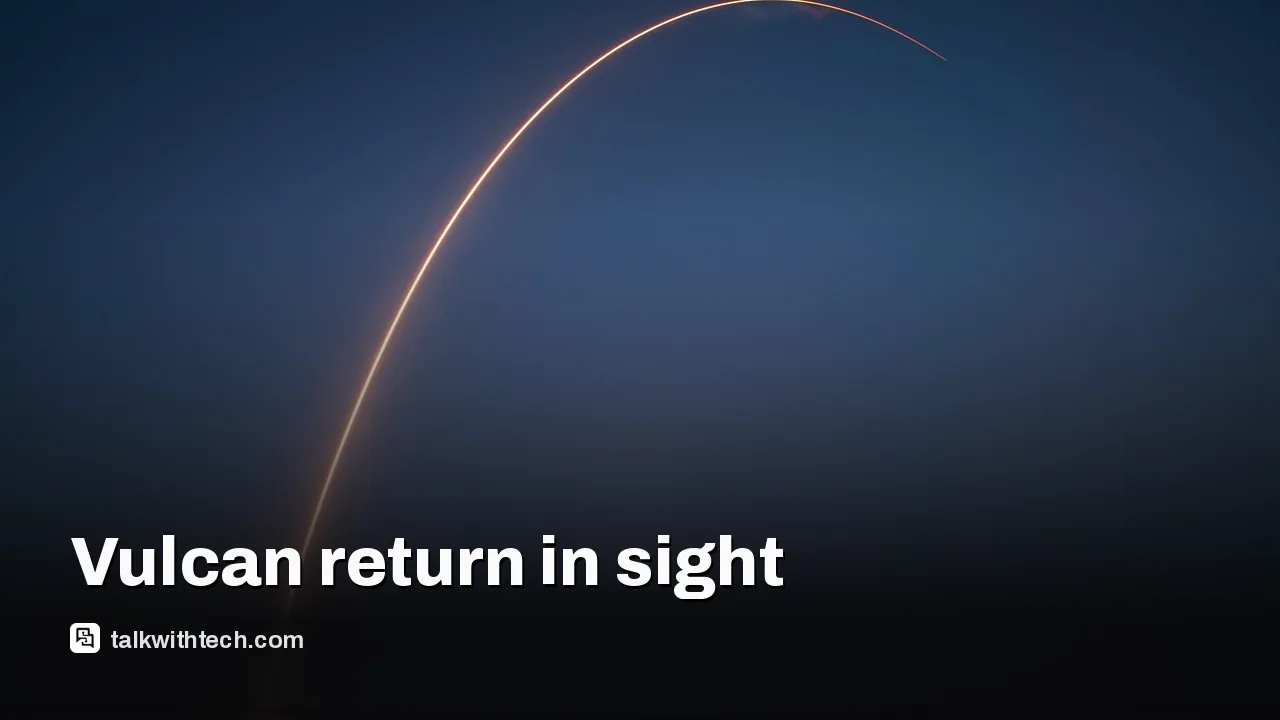
ULA’s Vulcan is nearing a return-to-flight with a proposed October 29 Amazon Leo mission.
The latest Rocket Report notes South Korea’s Nuri rocket achieved multiple successes, boosting confidence in domestic space efforts.
HyImpulse pushes its SR75 flight to 2027, citing licensing and weather considerations rather than readiness alone.
The mix of successes and delays highlights the current cadence challenges facing new and restructured launch programs.
Quick read · 1 min
ULA’s Vulcan rocket is nearing a return-to-flight, with a potential October 29 mission for an Amazon Leo payload. A separate success story comes from South Korea, where the Nuri rocket completed its fifth flight and deployed most of its secondary payloads, signaling growing commercial activity. German startup HyImpulse has moved its SR75 suborbital flight to spring 2027 due to licensing and weather considerations.
Why this matters for you: a steadier launch cadence could lower costs and increase the reliability of satellite services you use every day, from weather data to internet backbones. What happens next: Vulcan’s calendar will firm up in the next few weeks; HyImpulse will adjust planning as licensing updates come in.
ULA’s Vulcan rocket appears close to a return-to-flight, with a no-earlier-than window targeting October 29 for an Amazon Leo mission. That would mark a potential breakthrough in launch cadence for the company, following mixed results across the broader spacefaring scene this year.
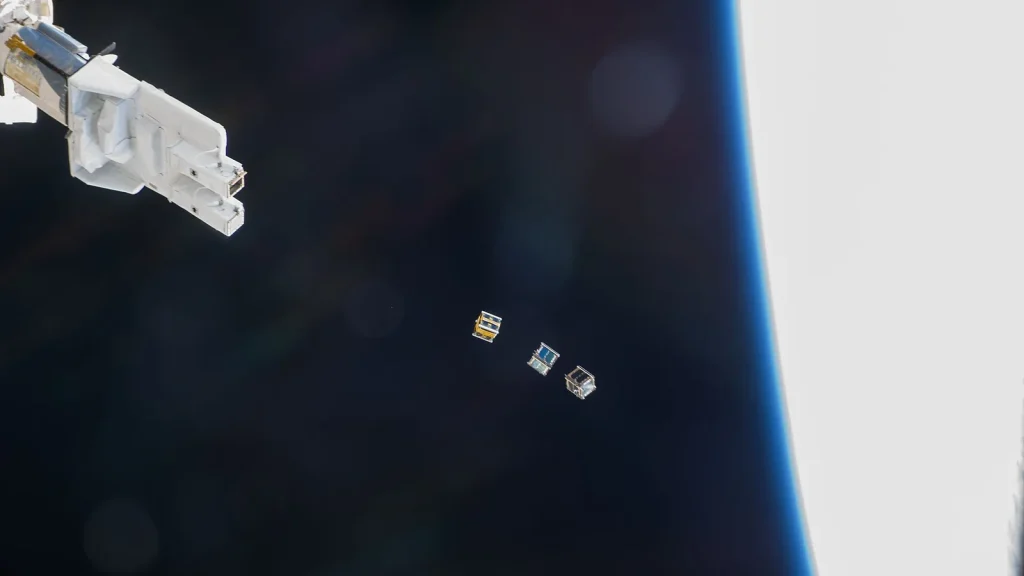
In the same week, a notable success story came from South Korea, where five satellites were deployed by the domestically launched Nuri rocket during its fifth flight. The mission released nine of ten CubeSat secondary payloads, with one payload failing to separate. The mission still marked Nuri’s fourth consecutive success since its debut, helping the country push toward a more commercially driven space sector.
Meanwhile, HyImpulse, the German launch startup, has pushed its SR75 suborbital flight into spring 2027. The new target, announced after considering remaining license requirements and SaxaVord’s weather conditions, shifts away from an end-of-2026 window. The company cites licensing and seasonal weather as the primary reasons for the change, not an assessment of the vehicle’s readiness alone.
01
Which rockets are in the spotlight this week
The headlines center on Vulcan’s path back to flight, with industry observers watching the cadence implications closely. Vulcan’s return would directly affect the schedule balance for large, commercial satellite launches, including potential dedicated missions and rideshare opportunities that have been waiting in the wings as programs settle.
02
What the numbers tell us about launch cadence
On a broad level, the space-launch ecosystem continues to juggle ambitious schedules with supply-chain realities and licensing hurdles. Nuri’s success adds a counterpoint to the narrative of delays, showing that domestically produced rockets can achieve repeatable outcomes even as other programs face snags. HyImpulse’s delay underscores how regulatory and seasonal factors can reshape planning just as much as technical readiness.
03
What this means for everyday readers
These developments matter less as grand headlines and more as a sign of logistical and regulatory friction shaping what it costs, when it can be funded, and how quickly new space companies can become reliable partners for satellite operators. A steadier cadence could lower launch costs over time and open more opportunities for small and medium-sized payloads, including research, weather, and communications satellites that everyday people rely on, think improved earth observation, weather forecasting, and global connectivity.
04
What happens next
Expect official launch calendars to firm up in the coming weeks. Vulcan’s team will likely publish updates on readiness and weather constraints as the late-October window approaches. HyImpulse will continue to navigate licensing processes and seasonal constraints, with a new target year of 2027 for SR75’s first flight.