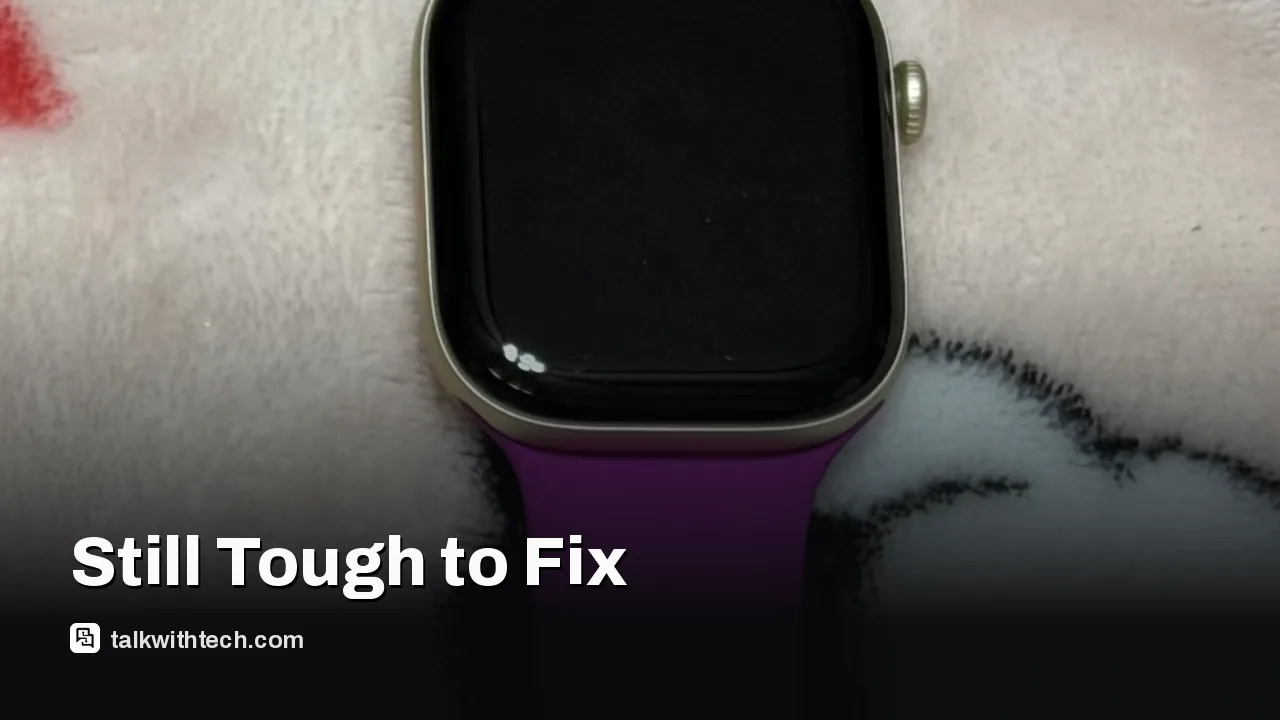
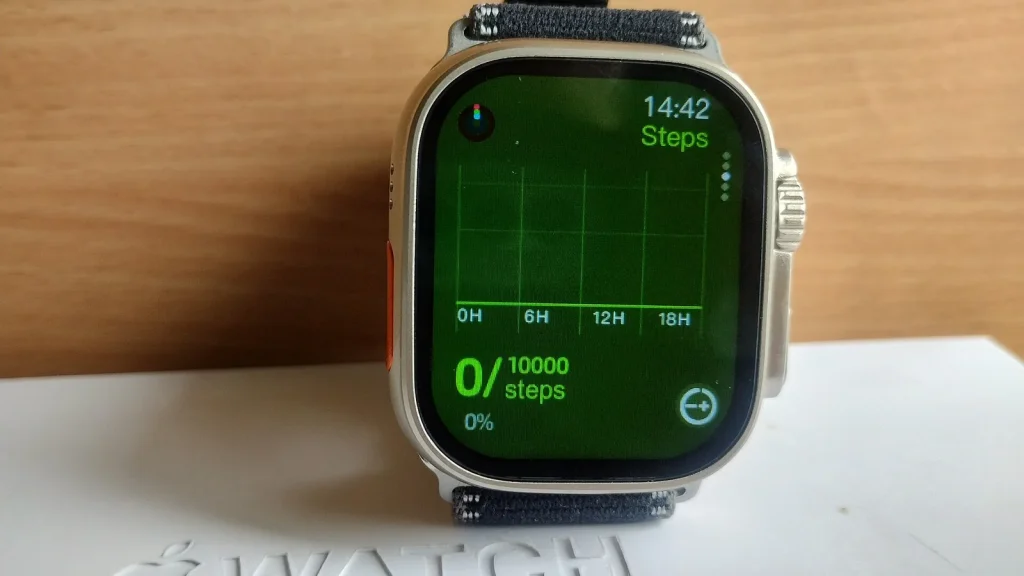
iFixit rates the Apple Watch Series 12 and Ultra 4 at 4/10 for repairability, meaning repairs stay intrusive and costly. Accessing the battery still requires removing the display due to adhesive and design choices. This fuels ongoing debate about Right to Repair in several states.
For everyday users, this means you’ll likely rely on Apple or an authorized shop for battery or component fixes. If you’re considering DIY or third-party fixes, factors like parts availability and warranty should be considered.
Series 12 gains a small battery removal improvement but still requires display removal.
Ultra 4 repair path remains largely unchanged and invasive.
iFixit’s latest teardown confirms that the Apple Watch Series 12 and Apple Watch Ultra 4 remain tough to repair. Both devices earned a repairability score of 4 out of 10, a rating that signals significant barriers to DIY fixes. Accessing the battery still requires prying through the display and dealing with strong adhesives, a design choice that makes even minor repairs more risky and time-consuming.
For the Ultra 4, nothing about the repair path changed from previous generations. The back of the device hides the main components behind a glue-heavy assembly that requires removing the display to reach the battery. The process also risks compromising waterproof seals and overall durability during repair attempts.
On the Series 12, there’s a small improvement: a pull tab helps with battery removal, but you still must take apart the display to reach the battery, and there’s no easy way to swap the panel without removing the battery first. The net effect is that repair work remains invasive and costly.
iFixit points to broader questions about Right to Repair laws in several states. Apple does not widely offer repair manuals, tools, or spare parts for Apple Watch repairs, which limits options for independent technicians and buyers who want at-home fixes or cheaper repairs.
01
What this means for everyday wearables
For most users, repairs come down to cost and downtime. If a battery or other component fails, you’re likely looking at a visit to Apple or an authorized shop, rather than a quick home fix. That matters even more for users who rely on health monitoring and daily scheduling features.
The 4/10 repairability score suggests repairs will stay more involved and potentially pricier than devices with higher scores. Battery work and display handling are the main pain points in most fixes.
03
Right to Repair questions
Advocates say devices should be easier to fix, with access to manuals, parts and tools. Regulators in some states are watching how manufacturers respond, and whether repair pathways will become clearer for independent shops and consumers.
04
What happens next
As lawmakers consider new rules, some wearers may see pressure on manufacturers to broaden repair access. If you’re thinking about a self-repair or a third-party fix, check parts availability and consider warranty implications first.
A UPS shipment carrying sensitive F-35 cockpit canopy and weapons-bay door components was allegedly rerouted through Hong Kong after an employee missed an ITAR alert, raising questions about secure handling of military tech.
4 min read
We use cookies to understand how readers use Talk With Tech, so we can make it better. Is that OK? Privacy policy
The Daily Brief
Today's biggest tech stories, in 5 minutes
Every morning, the news that matters from AI, phones, apps and the people shaping tech. Explained in plain English. Free.
One email a day. No spam, unsubscribe anytime. Privacy policy