Tuesday, 27 October 2026

Ultrahuman smart rings can now check your heart rhythm on demand

Heart Scan turns the Ring Air and Ring Pro into a one-minute AFib spot check with a doctor-ready PDF, but US owners are still left out.

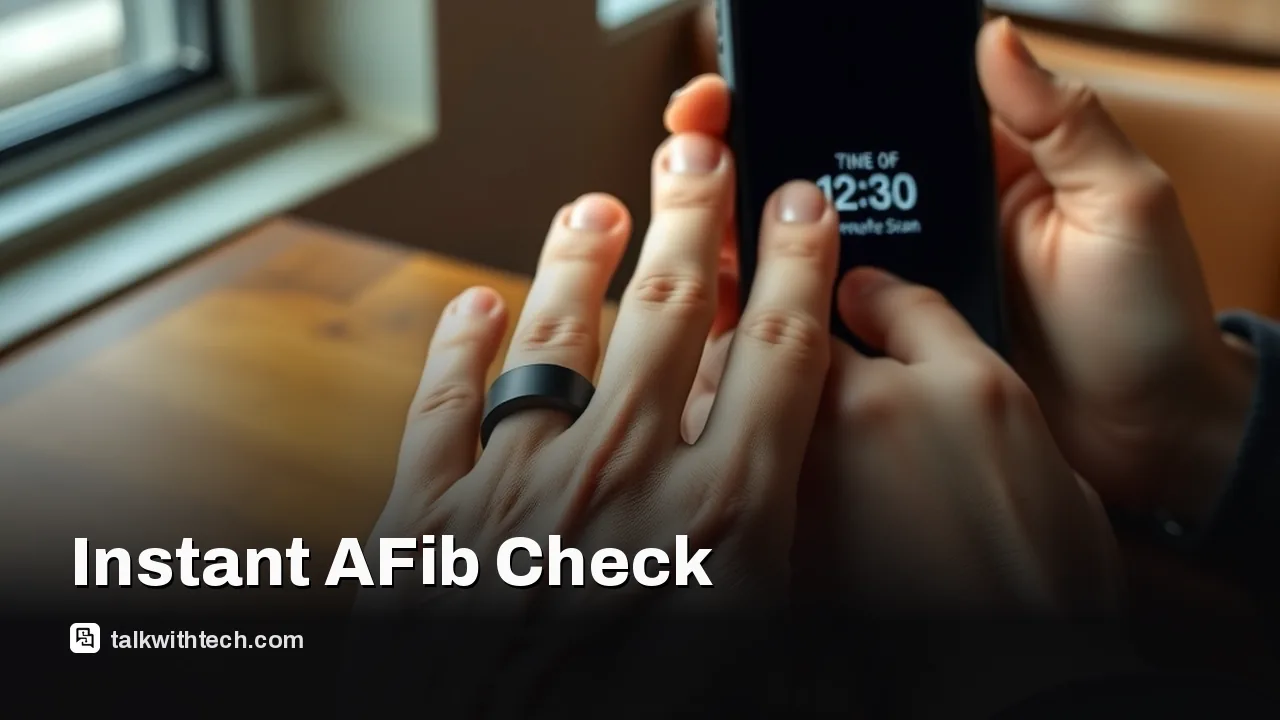
Hand wearing a matte black smart ring on table, other hand starting scan with phone face-down

The short version

  • Ultrahuman's new Heart Scan lets Ring Air and Ring Pro owners check their heart rhythm for AFib whenever they choose.
  • The test takes 60 seconds, uses FibriCheck's software and ends in one of five results plus a shareable PDF.
  • It is live in the UK, Europe, the Middle East and Asia-Pacific, but not in the US.
  • Oura has filed a new patent lawsuit in Texas aimed at blocking the Ring Pro from US sales.
Quick read · 2 min

Ultrahuman has added Heart Scan to the Ring Air and Ring Pro. It lets you check your heart rhythm on demand when your heartbeat feels off, instead of waiting for the ring's overnight analysis. The test takes 60 seconds and uses FibriCheck's software to look for signs of atrial fibrillation (AFib), an irregular rhythm linked to stroke.

  • Results come as one of five outcomes, from Regular to Possible atrial fibrillation.
  • Each scan creates a PDF with your pulse recording that you can send to a doctor.
  • It works in the UK, Europe, the Middle East and Asia-Pacific, not the US.

Existing AFib PowerPlug subscribers pay nothing extra; the overnight add-on costs £4.90 a month in the UK. It's a screening aid, not a diagnosis, and can't spot a heart attack. In the US, Oura has just sued again to block the Ring Pro.

Your smart ring has been watching your heart while you sleep. Now Ultrahuman wants it to listen the moment something feels wrong. The company has added Heart Scan to its Ring Air and Ring Pro, a one-minute test that checks your heart rhythm on demand for signs of atrial fibrillation, built with heart screening firm FibriCheck.

That matters because the problem it targets is famously sneaky. Atrial fibrillation, or AFib, is an irregular heartbeat that raises the risk of stroke, and it often comes and goes in short bursts or causes no symptoms at all. About 52.6 million people worldwide are estimated to have it, and many don’t know. A check you can run in the middle of a flutter, with a report you can hand to a doctor, is the kind of feature that can actually change a conversation in a clinic. There’s a catch, though, and it depends on where you live.

01

How Ultrahuman AFib detection worked before Heart Scan

Ultrahuman already had AFib tracking. Its AFib Detection PowerPlug, a paid add-on in the Ultrahuman app, arrived in 2024 and was the first atrial fibrillation screening tool on a smart ring. It analyzes your pulse overnight and has processed millions of nights of data so far.

The weakness of a nightly check is timing. If you get a racing, irregular few minutes in the afternoon that settles by bedtime, the overnight scan may never see it. Heart Scan closes that gap by letting you test the moment you notice a symptom.

Top-down view of hand with smart ring pressed on wrist during a scan
02

How to run a Heart Scan on your ring

You start the test from the Ultrahuman app. Then you sit still for 60 seconds while the ring records your pulse through its optical sensors (small lights that read blood flow under the skin). FibriCheck’s algorithm analyzes the recording and gives one of five results:

  • Regular
  • Possibly irregular
  • Possible atrial fibrillation
  • Inconclusive
  • Signal quality too low

If you get a weak signal or an inconclusive result, staying still and trying again is the sensible move, since movement is the usual enemy of a clean reading.

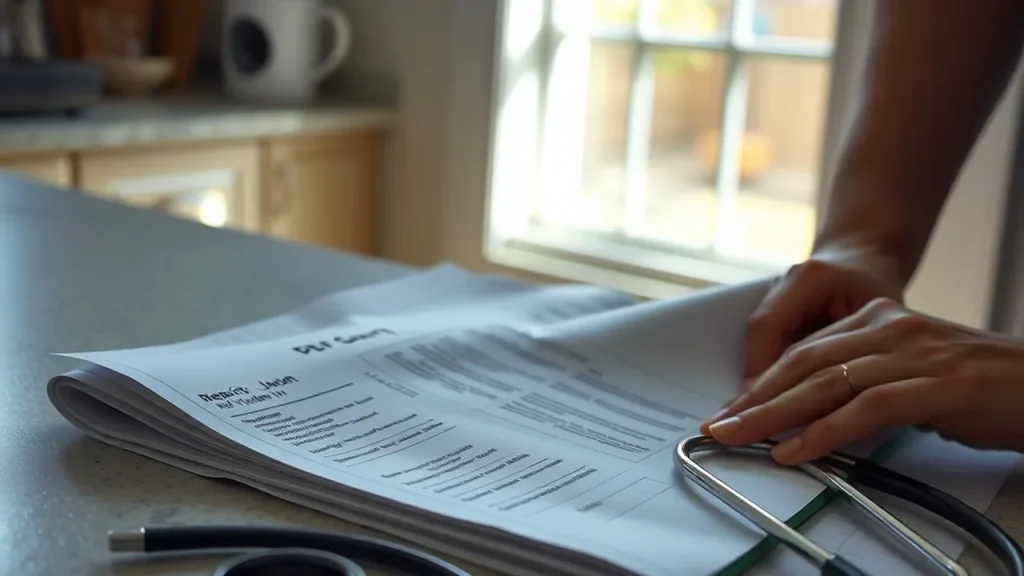
The part doctors will care about is the report. Each scan creates a PDF that includes the actual pulse recording and charts of the gaps between heartbeats. Instead of telling your GP or cardiologist that your heart felt odd last Tuesday, you can show them what it was doing at that moment.

You’ll need a recent app: version 4.3 or later on iPhone, or version 3.2 or later on Android.

03

Is Heart Scan free, and which countries get it?

Heart Scan is rolling out in what Ultrahuman calls supported markets in the UK, Europe, the Middle East and Asia-Pacific. It isn’t available in the US, and Canada isn’t named in the launch either.

On price, the two reports that covered the launch frame it slightly differently. One calls the scan free for eligible users. The other says it’s folded into the existing AFib PowerPlug, so people already paying for that add-on get it at no extra cost. Either way, current subscribers don’t pay more.

The overnight AFib PowerPlug itself is still paid. It costs £4.90 a month or £49 a year in the UK, and €5.90 a month or €49 a year in the eurozone.

Printed PDF heart rhythm report beside a smart ring on a kitchen counter
04

Why US owners are still waiting

The US gap isn’t just about medical paperwork. Ultrahuman has spent the past year in a patent fight with Finnish rival Oura, the best-known smart ring brand in America.

Oura won the first round. After the US International Trade Commission ruled that the Ring Air infringed several Oura patents, that ring was barred from sale in the US, though it’s still sold in Europe and elsewhere. Ultrahuman redesigned its Ring Pro for American buyers and got approval from US Customs and Border Protection earlier this year. It’s made in Plano, Texas, by a contract manufacturer called SVTronics.

Now Oura has sued again in a Texas federal court, claiming the Ring Pro breaks two of its patents covering design and internal parts. One of those patents was granted just two days before the suit was filed. Oura wants damages and a sales ban, and it named SVTronics as a defendant too. Ultrahuman says it will fight the claims and that the Ring Pro stays on sale in the US while the case runs.

05

What Heart Scan means for your health, and what it can’t do

For people who already wear an Ultrahuman ring outside the US, this is a useful upgrade at little or no extra cost. If you’ve had palpitations, a family history of AFib or a doctor who has asked you to keep an eye on your rhythm, being able to record an episode as it happens is a real benefit.

But it’s a screening tool, not a diagnosis. Heart Scan can’t detect a heart attack, and a Regular result doesn’t mean your heart is fine. Only a medical professional can confirm AFib, usually with an ECG (a test that records the heart’s electrical signals).

If you have chest pain, fainting, severe breathlessness or any sudden serious symptom, call emergency services rather than opening an app.

06

Quick answers

Does Ultrahuman detect AFib?

Yes. The Ring Air and Ring Pro can screen for signs of AFib overnight through the paid AFib PowerPlug and on demand with the one-minute Heart Scan.

Can I use Heart Scan in the US or Canada?

Not yet. The launch covers the UK, Europe, the Middle East and Asia-Pacific, and Ultrahuman hasn’t given a date for North America.

Should I share the PDF with my doctor?

Yes, that’s what it’s designed for. It shows the raw pulse recording and beat-to-beat timing, which is more useful than describing a symptom from memory.

You're reading the quick version.