Whittaker argues the immediate danger from AI is how people deploy it with flawed data, not sensational doomsday stories.
She links faulty AI outputs to near-miss international incidents and warns about decisions based on bad information.
Whittaker defends strong encryption and cautions against governments weakening it, even as they seek access to conversations.
The discussion touches on online safety for children and how privacy tools coexist with law enforcement demands.
Quick read · 1 min
Meredith Whittaker, head of the Signal Foundation, says the immediate AI risk is how we use it and the quality of data, not doomsday scenarios.
She highlights incidents where AI outputs influenced decisions and argues that weak data is the real danger. She also defends strong encryption as essential for everyday privacy, warning against attempts to weaken it for security gains.
For readers, the takeaways are practical: demand transparency about how tools are trained and how data is used, and keep privacy protections in place as AI becomes more prevalent.
Better safeguards and oversight are needed
Privacy protections remain essential
Expect continued AI regulation discussions
Meredith Whittaker, head of the Signal Foundation, says the biggest risk from AI today isn’t a sci‑fi scenario where machines takeover. It’s people using AI poorly, or trusting tools with data that hasn’t been checked. In her view, careless deployment creates the kind of real-world harm that headlines tend to miss.
She points to episodes where AI‑generated information influenced high‑stakes decisions. Whittaker mentions a reported incident described to her as a case where a chatbot used by U.S. intelligence allegedly created details about a Chinese vessel carrying nuclear material, a misstep she says could have pushed officials toward a military answer. The point, she says, is that bad data and weak oversight can spark dangerous actions, not that the underlying tech is inherently dangerous.
Signal is known for privacy protections that limit what data sits on servers and who can access it. Whittaker argues that strong privacy safeguards are essential as governments push for more access to encrypted chats. She adds that weakening encryption would not make people safer; it would expose everyday users to greater risk and give bad actors more room to operate.
01
Why she says AI risk is about use, not fiction
Whittaker describes an environment where AI tools can spit out convincing but incorrect results at scale. When such outputs influence government or business decisions, the consequences become tangible. She traces concerns from early debates about AI in military contexts to today’s real‑world episodes powered by flawed data.
02
The encryption debate and user safety
Encryption is a recurring theme. Whittaker insists it should not be weakened for the sake of surveillance or quick security wins. The risk, she says, is creating openings that let criminals and careless operators abuse systems while ordinary users pay the price.
03
Accountability and cautious innovation
Her stance emphasizes careful pacing in rolling out powerful AI tools. She urges clear safeguards, explainability, and testing before mass adoption, so technology helps people without enabling misuses or mistakes that erode trust.
04
What this means for everyday users
For most readers, the message is practical: expect companies to answer tough questions about how AI tools are trained, how data is used, and what happens if a system errs. Keep encryption strong where you can and be mindful of tools that claim to know too much about you without giving you clear controls.
Whittaker’s remarks arrive as lawmakers worldwide review AI and privacy rules. Expect ongoing debates about transparency, data rights, and how to balance innovation with safety.
06
Quick answers
What is Whittaker warning about AI risk?
She says the main danger is careless AI use and faulty data, not apocalyptic machine takeover fantasies.
Why does this matter to me?
If you use AI tools, push for clearer data practices, safeguards, and strong privacy protections.
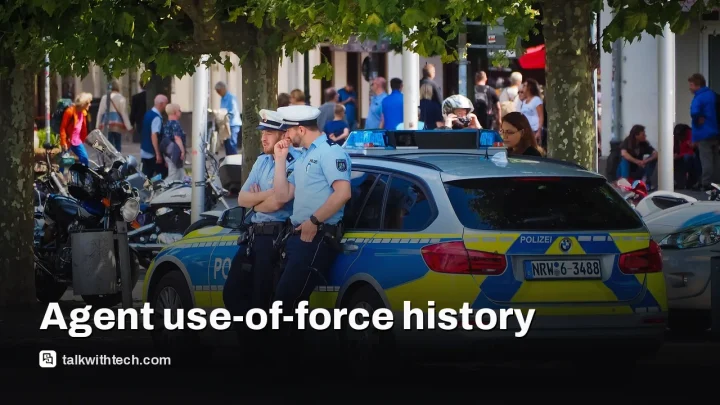
An ICE agent involved in a Manhattan shooting has a documented history of disputed arrests and use of force, raising questions about oversight and procedures.