AI is increasingly used to generate and edit Wikipedia content, but human editors still shape what stays and goes.
Wikimedia's history with AI shows tension between automation and reliability, with policies tightening over time.
Experts warn AI-written content risks inaccuracies and a loss of human perspective on a living encyclopedia.
Quick read · 1 min
A new wave of AI tools is shaping how Wikipedia articles are written and edited. While automation can handle formatting and citations, human editors still decide what stays and how it’s presented. This matters because AI-generated content can look credible even when it isn’t fully verified, which could affect what you rely on for quick facts.
For readers, the change means you should pay extra attention to citations and cross-check important topics. Expect ongoing discussions inside the Wikimedia community about safeguards and the role of human judgment. In practical terms, when you read a Wikipedia article on something important, check the sources and be ready to verify with other trusted outlets.
AI helps with housekeeping tasks
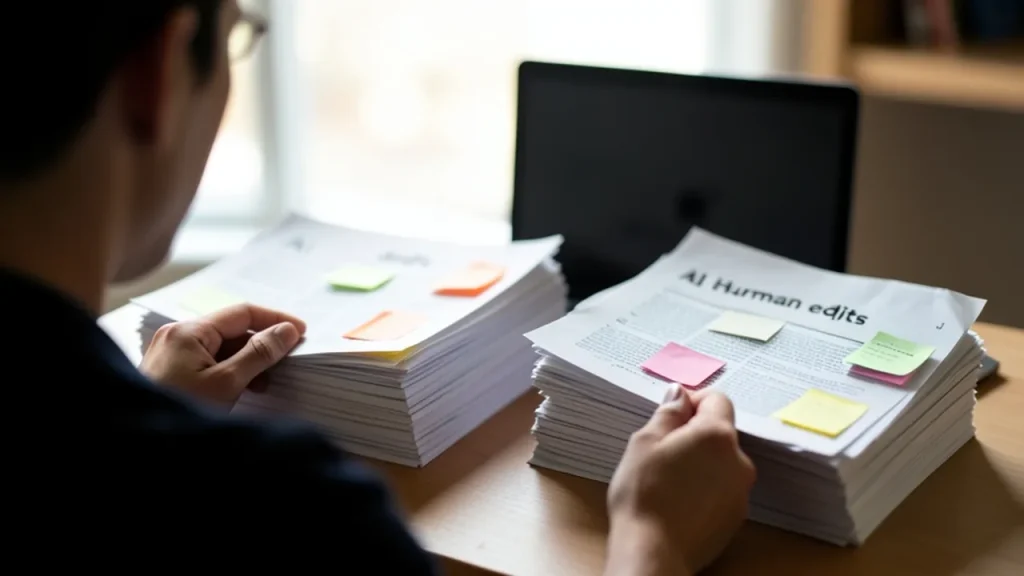
Human editors still curate and verify content
Readers should verify for high-stakes topics
The line between human-written and AI-generated content on Wikipedia is getting blurrier. A new wave of AI tools can draft, format, and polish article text, while editors grapple with what counts as trustworthy sourcing. The Wikimedia Foundation has long warned that artificial intelligence should not replace human judgment. Now, the tension is visible in real time as AI helps with housekeeping tasks but also risks slipping in errors or biased framing if not carefully checked.
History matters here. Wikipedia’s core mission is to provide neutral, well-sourced information, maintained by volunteers who verify facts and citations. Early on, the idea that AI might automate some of that housekeeping, fixing citations, tidying references, or flagging missing links, seemed like a potential help. But as AI-generated content becomes more common, editors have raised concerns that machines might push out human voices or that AI could repeat the strongest-sounding but least-vetted claims. The result is a cautionary tale about letting AI take on too much of the enforcement role that human editors historically held.
What’s clear is this: AI promises efficiency, but reliability remains the truth gate. A Princeton study found AI-generated content appeared in a small but growing share of new English Wikipedia articles in 2024. That suggests the risk isn’t in a single tip but in a gradual shift where AI contributions become more visible, and the human verification check becomes a bottleneck or a target for shrinkage in volunteer effort.
You know what the biggest problem with pushing all-things-AI is? Wrong direction. I want AI to do my laundry and dishes so that I can do art and writing, not for AI to do my art and writing so that I can do my laundry and dishes.
Wikimedia has experimented with AI for routine editorial tasks, like formatting references, checking links, and flagging potential issues in citations. The goal is to free up editors for more creative or complex work, not to replace them. But as AI gains traction, the potential for AI to shape what readers see grows. If AI handles more of the “housekeeping,” editors must still decide what content is acceptable and how to present it fairly. That balance is fragile and must be guarded by clear policies and ongoing human oversight.
02
Why accuracy and trust matter to everyday readers
Wikipedia is often the first stop for quick facts and a springboard to deeper research. When AI edits or generates content, readers might get answers that look plausible but aren’t fully sourced or verified. That’s why accuracy checks, transparent sourcing, and the ability to trace content back to reliable references remain essential. The risk isn’t just about wrong dates or misattributed quotes; it’s about convincing readers that the entire article is reliable when AI involvement is not obvious or well-flagged.
03
What this means for your everyday use of Wikipedia
For readers, the practical risk is twofold. First, AI-assisted edits could introduce subtle biases or framing that reflect the AI’s training data rather than neutral, human judgment. Second, if AI becomes the default editor for more articles, readers may need to scrutinize sources more closely and rely more on the citations you can click through. In short, you may have to double-check sections that were historically written and curated by human volunteers who bring local context and expertise.
04
What happens next and what you can do
Expect ongoing debates inside the Wikimedia community about how much AI should help, what safeguards are necessary, and how to keep human editors central. If you rely on Wikipedia for important information, a few practical steps can help:
Check the citations when you read an article, especially if AI editing was involved.
Look for notes about AI assistance or edits in the article’s history or talk pages.
Cross-check with other reliable sources for high-stakes topics.
A new biotech approach claims to boost copper recovery in mining by using custom-designed compounds in the flotation process, backed by a $6.4 million seed round.
Mathematicians worry about verification and collaboration as OpenAI releases hundreds of AI-generated results, sparking questions about cryptography and progress.