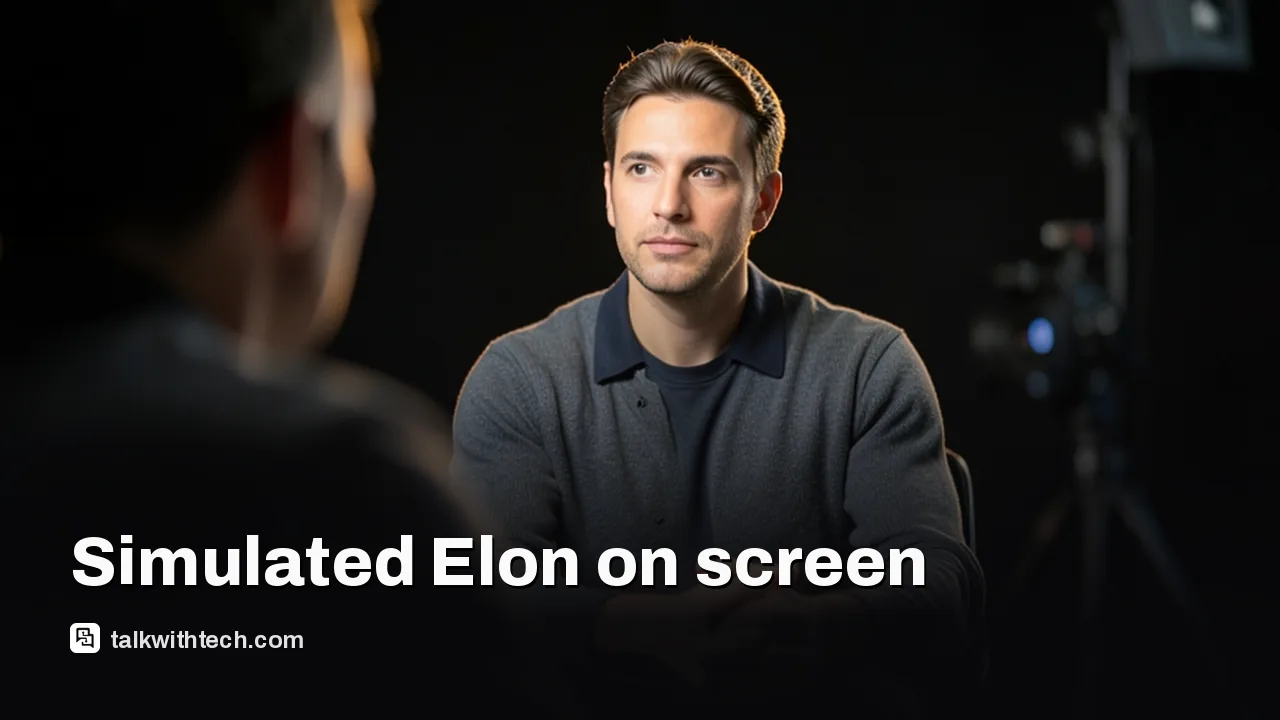
Director Alex Gibney uses a simulated Elon Musk throughout the film, based on public statements and archival audio.
The film treats AI and image-making as central themes, exploring how we interpret truth when a simulated figure speaks.
Musk never sat for a live interview; the simulated Musk interacts with interviewers and archive material.
The documentary aims to hold Musk accountable while testing the ethics of synthetic representations.
Quick read · 2 min
Alex Gibney’s Musk documentary leans on a simulated Elon Musk built from public statements and archival audio. The film uses this avatar to probe how AI and synthetic media influence our sense of truth and accountability in the age of digital personas. It asks hard questions about representation, consent, and the power of image in shaping public perception. The film hits theaters this Friday, and it promises to spark conversations about where responsibility begins when machines imitate real people.
For everyday viewers, the takeaway is clear: as AI pushes further into media, we need to stay aware of how what we see is made and who is responsible for its accuracy. If you’re curious about the ethics of synthetic representations, this documentary is a timely entry point.
What is the concept? A simulated Musk used to discuss AI and truth.
Why it matters? It challenges how we interpret public figures online.
What’s next? Debates about ethics and authenticity in media will continue as AI tools evolve.
Alex Gibney’s new Musk documentary takes a bold route: it presents a simulated Elon Musk that speaks directly to viewers, built from public comments and audio archives. The film, which Gibney describes as examining how we think about truth and AI, hits theaters nationwide on Friday. The simulated Musk isn’t just background texture. It’s used as a through-line that challenges how viewers separate fact from imitation in today’s media environment.
Gibney says the decision to use a simulated version of Musk was motivated by the storyline surrounding AI and the public’s perception of real and fake. He explains the avatar is designed to look directly into the camera, a visual choice meant to connect with the audience in a way traditional interviews often don’t. This approach also mirrors questions about AI portraits and digital personas that many people encounter online every day.
The team spent time curating audio and public appearances to assemble a coherent, responsive version of Musk. Gibney describes the avatar as a deliberate, stylized interpretation rather than a literal clone. The goal, he says, is to spark discussion about representation, control of a public image, and the ethical boundaries of using someone’s words in a synthetic form.
Ethics come up early in conversations about the technique. The filmmaker notes that while the avatar uses real material, it also creates a new dynamic around accountability: who is responsible for what a simulated figure says, and how should audiences evaluate it? The film acknowledges the line between homage to public statements and the risk of misleading viewers with an avatar that bears Musk’s likeness and voice in a lifelike way.
Despite the questions, Gibney insists the approach is not about trickery. It’s about a thoughtful examination of how AI can shape who we think of as a public figure and how that, in turn, influences society’s relationship with technology. For viewers who are used to deepfakes and AI-generated media, the documentary offers a concrete case study in how synthetic representation can be used to tell a story about leadership, mythmaking, and influence.
01
What this film does differently
The documentary isn’t just a traditional interview with a figure who’s often in the spotlight. It uses a simulated Elon Musk as a narrative device to critique AI ethics, image-building, and the boundaries of consent in media. Gibney frames the avatar as a tool to examine how audiences process voice, presence, and rhetoric in an era where machines can imitate real people with increasing fidelity.
02
Why a simulated Musk matters for everyday viewers
For most people, the question isn’t whether Musk is in the film but what the film says about AI and media trust. The simulated Musk acts as a mirror, prompting viewers to ask how much of what they see online is produced or curated by machines. It’s a reminder that the way a public figure speaks can be as important as what they say, especially when AI could echo those words back to us in new formats.
03
How the ethical questions are handled
Gibney frames the ethics as central rather than peripheral. He acknowledges the risk of misrepresentation, but emphasizes that the film’s structure makes clear when content is archival and when it’s synthesized. The project aims to spark a broader conversation about responsibility in both media production and AI development.
04
What happens next
If you’re curious about how AI-generated personas might influence our trust in public figures, the film offers a provocative, concrete case study. Expect lively conversations about truth, image, and the power of synthetic media as audiences discuss what they see and hear in the months after the release.
A new wind-down economy is selling the archives of dying startups to AI labs, turning code, emails and chats into training data, sparking privacy and value questions.