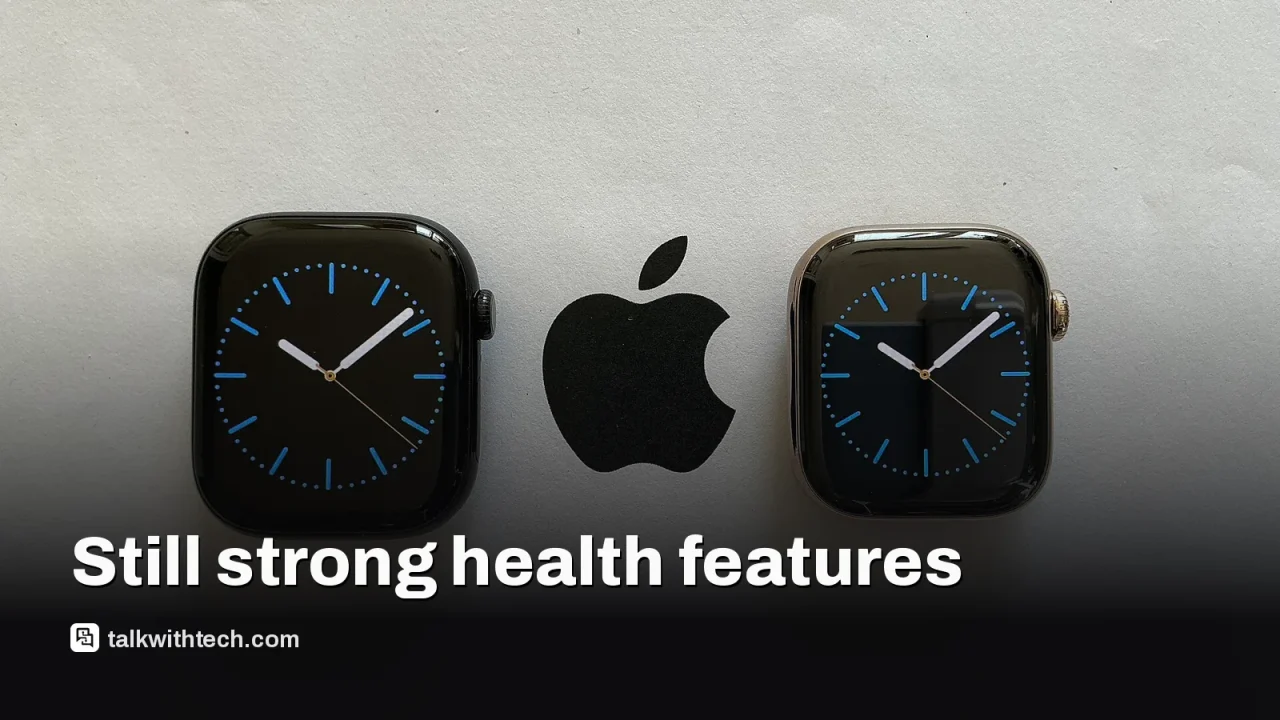
Released in 2024, the Apple Watch Series 10 still gets major watchOS updates through 2026 and beyond.
It delivers a sharp display, ECG, sleep tracking and cycle monitoring with Siri AI support, but newer models are faster and offer more health features.
Newer Series 11 and Series 12 bring speed gains, improved health sensing and longer battery life, with a higher price tag.
Refurbished Series 10 units can be found at lower prices, making it a budget-friendly option if you don’t need the latest tech.
Quick read · 1 min
The Apple Watch Series 10 remains available in 2026 mainly as renewed or third‑party listings. It has a bright display, solid health tracking and the latest watchOS with Siri AI, but newer watches are faster and offer more health features.
For everyday use, it’s a sensible budget pick if you don’t need the newest tech. If you want the latest health sensors and snappier performance, you’ll likely prefer a newer model, though you’ll pay more.
Look for reputable refurbished listings
Check battery health and current software status
Consider how long you plan to keep it
The Apple Watch Series 10 remains visible in 2026, but you’re not likely to find it directly from Apple. Most shoppers will encounter renewed or third‑party listings rather than a fresh unit. The core appeal stays the same: a bright, readable display, solid health tracking and support for the latest watchOS with Siri AI features.
Is it still worth buying in 2026? That depends on your priorities. The Series 10 offers dependable health metrics, ECG readings, sleep tracking notes and a practical, everyday experience with the current software. Newer watches bring faster performance and more capable health features, but they come with a higher upfront price. If you don’t need the newest sensors, a refurbished Series 10 can be an attractive bargain.
01
What stands out about the Series 10
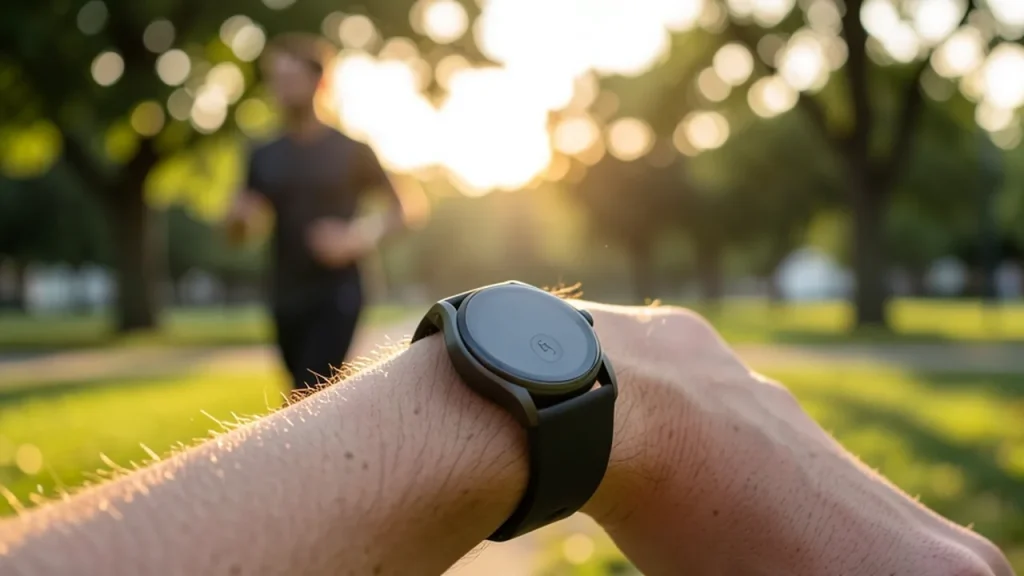
The Series 10 delivers a crisp display, accurate health tracking and the latest watchOS experience, including Siri AI. Battery life generally lands around a day with typical use, and the device remains durable with features like water resistance and crash/fall detection as part of the package.
02
How it stacks up against newer models
Newer models, Series 11 and Series 12, bring faster processors, more frequent heart-rate checks and improved health sensing, plus longer battery life in some scenarios. They also cost more upfront, which is the primary trade‑off for buyers weighing value against latest tech.
03
What it means for everyday users
If your main goals are reliable health data and a smooth smartwatch experience at a lower price, the Series 10 remains a solid option, especially in renewed form. If you want quicker app performance, the newest sensors and longer battery life, you’ll want to consider a newer model, keeping in mind the higher cost.
04
What to do next
Shop smart: compare renewed Series 10 listings with entry‑level newer models to see what fits your budget and needs. Check battery health, confirm software updates are current, and weigh how long you plan to keep the watch. If longevity and the latest health features matter most, save up for the newer models; otherwise, a refurbished Series 10 can still do the job.