Amazon says Bee does not keep raw audio. Sound is processed in real time inside what it calls a Private Compute system, an isolated environment, then deleted. Transcripts and summaries are encrypted with keys your own device creates and controls, so the company says no one else, including Amazon staff, can read them unless you share them. You can delete transcripts and summaries at any time.
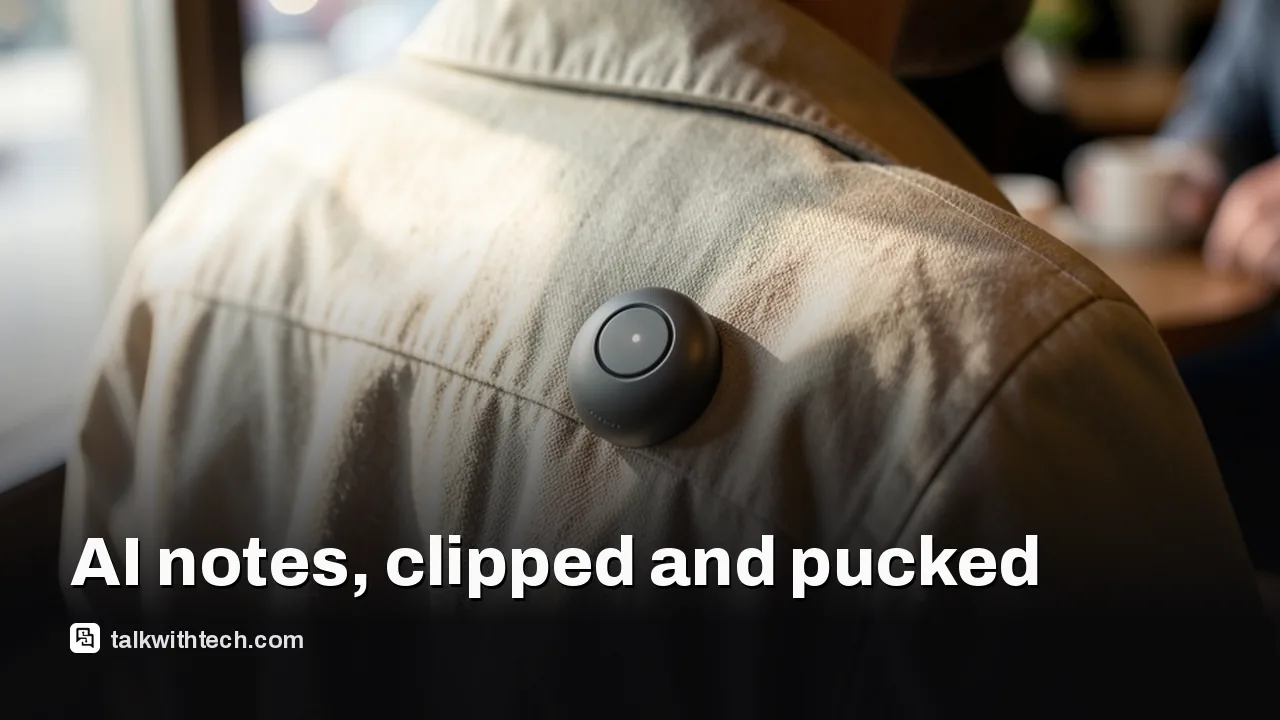
Other safeguards: each device has one on-off button and a light that shows when it is working, and the microphones can switch off after a stretch of silence that you set anywhere from 5 minutes to 24 hours. Bee learns your voice at setup, but other speakers are not named unless they agree to let Bee learn their voices too.
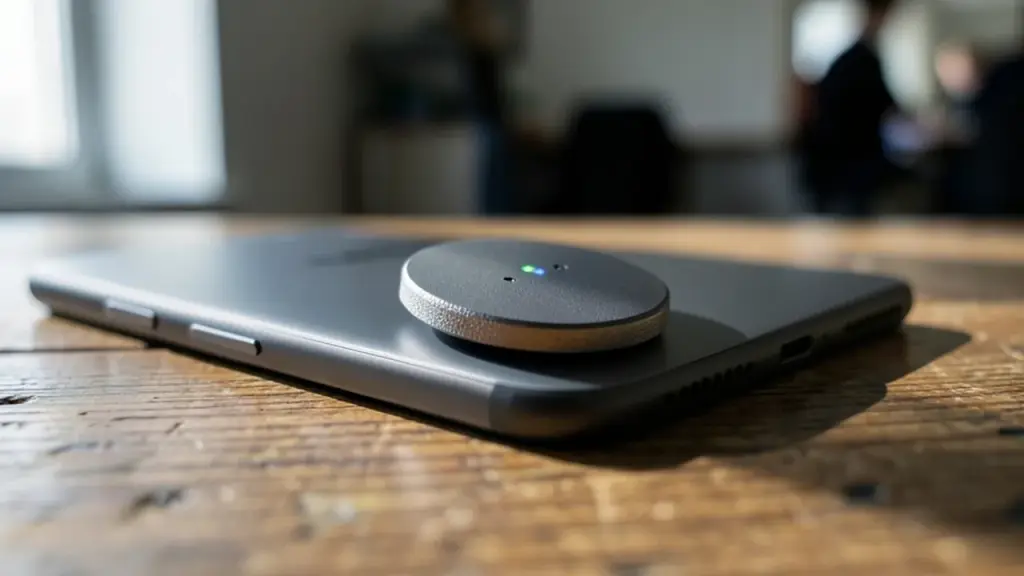
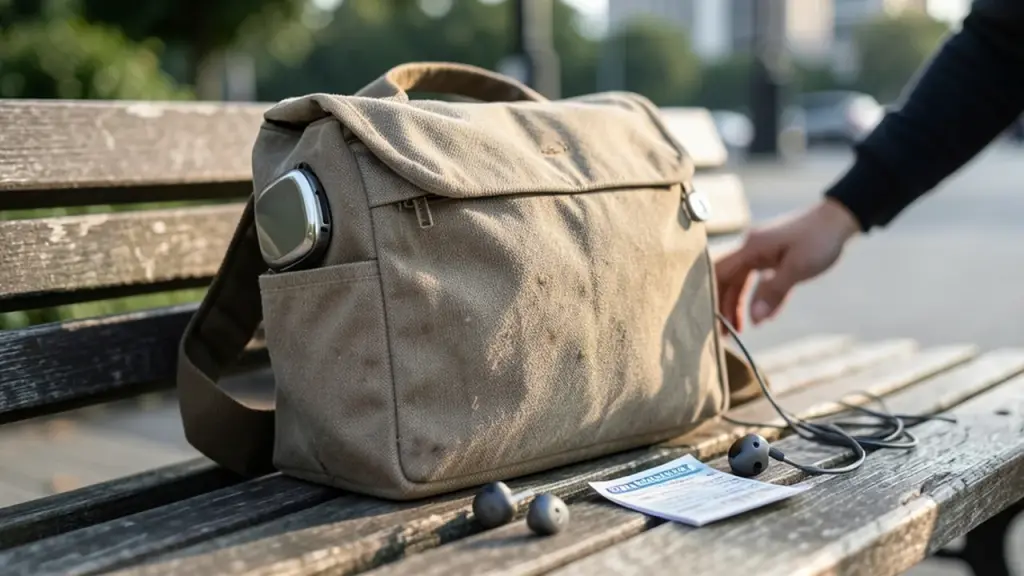
Critics say that is not enough. Jeff Williams, a former senior security engineer at Amazon Web Services, argues the permission prompts shift responsibility onto the wearer and give everyone else no practical way to say no. There is also a design problem: the Eclipse looks a lot like a phone battery pack, which has its own little light, so people nearby may not realize it is listening.
The law matters here. Most US states let you record a conversation you are part of, but about a dozen, including California, Florida, Illinois, Pennsylvania and Washington, generally require everyone’s consent. The UK and the European Union treat recorded voices as personal data. The simple rule: tell people you are recording, every time, and check your employer’s policy before using Bee in meetings.