Amazon Bee wearables add AI notes and shopping nudges
Amazon rolls out two AI-assisted Bee devices, with a paid subscription and privacy controls that matter for everyday use.
Talk With Tech Newsroom
The short version
Amazon unveils two Bee devices: Frontier wearable and Eclipse card-style gadget, both with AI conversation summaries and tasks.
A paid Bee Pro subscription adds unlimited summaries, personal assistant features and third-party integrations.
Amazon claims transcripts are encrypted and not stored as recordings, with opt-in shopping prompts tied to your conversations.
The devices can connect to calendars, email, health data and more, and are designed to help users stay present, not just record everything.
Quick read · 1 min
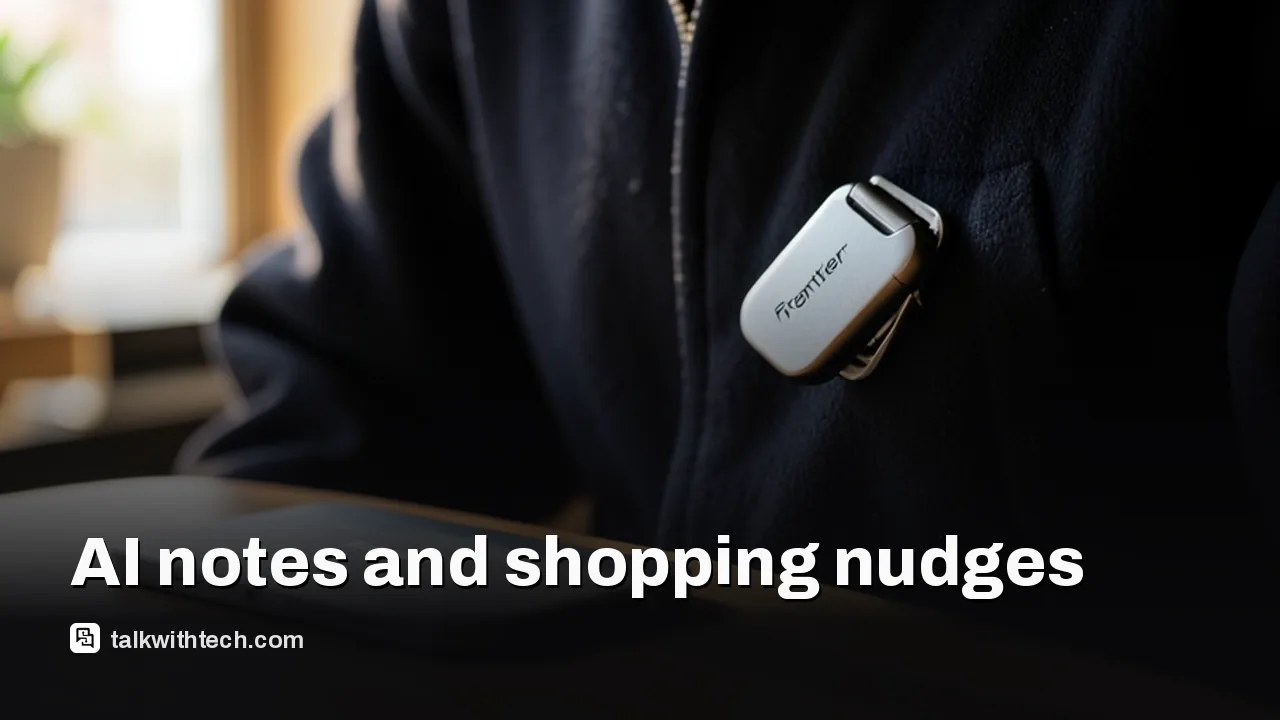
Amazon is expanding Bee with two new AI devices. The Frontier is a wearable you can strap on or clip to your clothes, priced at $74.99, and the Eclipse is a magnetic, credit-card shaped gadget priced at $99.99 and coming soon.
Bee creates notes from your conversations, offering summaries, transcripts and tasks. It can connect to calendars, email and health apps to act on what you discuss, such as drafting emails or adding calendar invites.
The pro subscription, $11.99 a month, unlocks unlimited summaries, daily memories, a personal assistant, and more apps integrations. Privacy is a focus: transcripts are encrypted, and recordings aren’t stored unless you opt in.
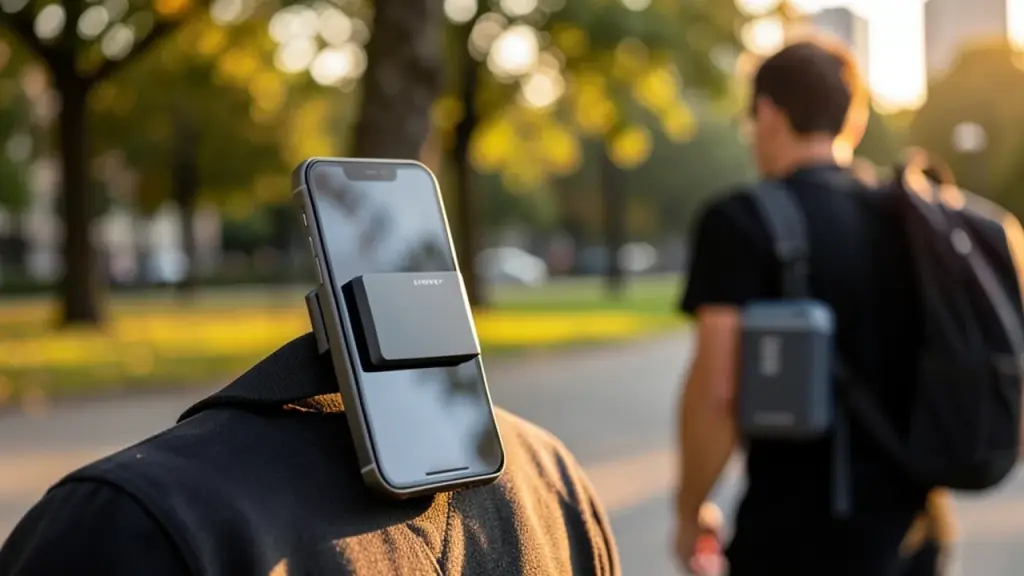
Amazon is expanding its Bee AI wearables with two new devices and a subscription plan, giving everyday conversations a digital afterlife in the form of summaries, tasks and even shopping prompts. The Frontier is a wearable you can strap on or clip on, while the Eclipse is a credit-card‑shaped gadget you can magnetically attach to your phone. Prices start at $74.99 for the Frontier, with the Eclipse priced at $99.99 and coming soon.
Both devices are designed to listen in and generate notes from your daily conversations. They can surface summaries, transcripts, insights and to-dos, and they can also link with services like Gmail, Google Calendar, Outlook, Apple HealthKit and photos. This lets Bee take actions on your behalf, such as drafting emails or adding calendar invites based on what you talk about during the day.
What makes Bee different is its focus on helpful, contextual prompts rather than just recording. The Frontier offers wearing options and a redesigned recording button, plus waterproofing and roughly a week of battery life. The Eclipse packs a larger battery for longer use and a longer, 21‑day battery life. Both devices require a Bee Pro subscription to unlock their best features. The plan costs $11.99 per month and adds unlimited summaries, daily memories, a personal chat assistant, third‑party app integrations and a desktop app. The free tier still provides conversation summaries and memory for 14 days, but fewer capabilities overall.
Amazon stresses privacy as a core part of Bee. Transcripts and summaries are encrypted under what it calls its Private Compute security architecture, and Bee devices do not store audio recordings unless you opt in. Recording will stop automatically if there is no sound detected after a set period. Transcripts can be attributed to speakers if you enable voice training for those voices; unlabeled voices require your permission to identify.
For ordinary users, Bee might feel like a practical helper or a private secretary who lives on your wrist or phone. It can surface shopping prompts in line with conversations, such as suggesting products or links to items you discussed. The opt‑in nature means you control when Bee participates in shopping suggestions and when it simply captures notes for you.