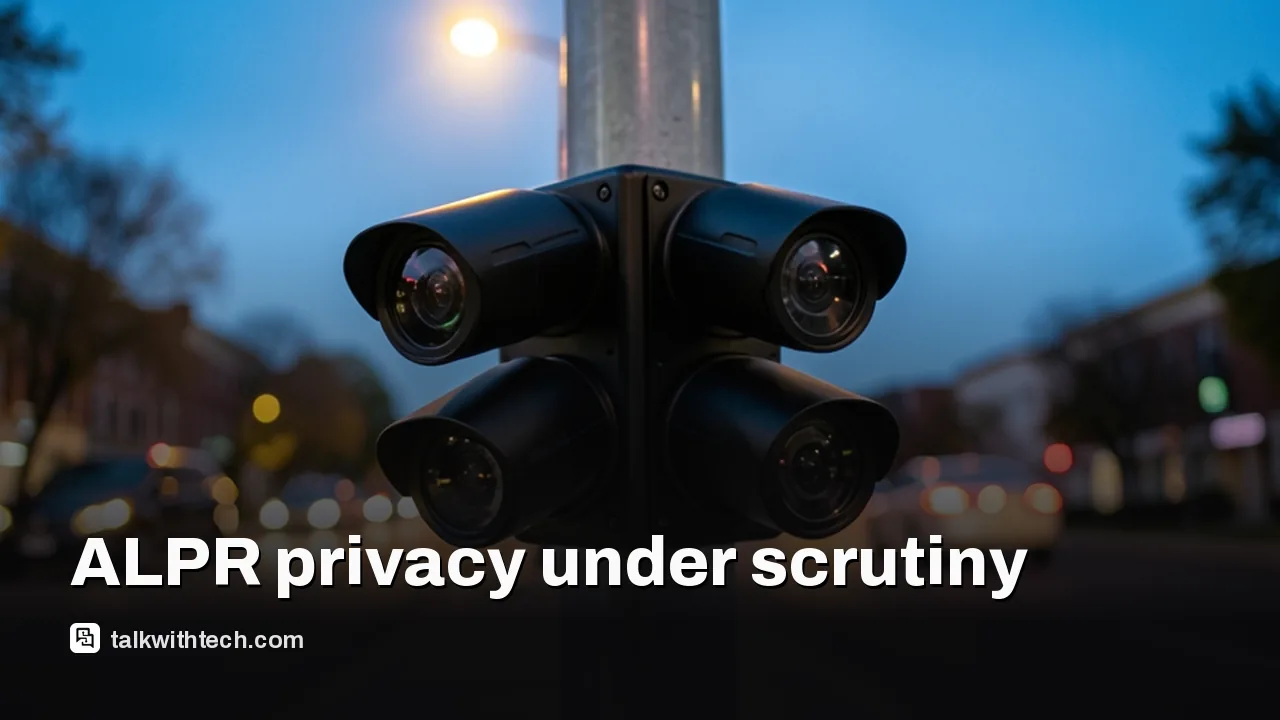
Flock’s CEO said we shouldn’t pause progress on ALPR cameras, framing it as safety, not surveillance.
Critics argue ALPR tech risks mass data collection and misuse by police and others.
The company says its audio detection focuses on gunshots, but critics point to broader capabilities and policies.
Readers should understand what rights and protections exist and how to push for clear rules.
Quick read · 1 min
Flock’s CEO at TechCrunch Disrupt 2026 said we shouldn’t pause progress on ALPR cameras, framing them as a safety measure rather than a privacy risk. Critics argue ALPR creates a map of private movement and could be misused. Flock says its audio features target gunshots and other events, not conversations, but questions remain about data retention and access. For everyday readers, the key questions are what data is stored, who can see it, and what safeguards exist. The debate will push for clearer data rules, and residents should monitor local policies and council discussions to see how their data is handled next.
ALPR reads plates and can be tied to crime-solving data.
Privacy concerns center on who uses the data and for how long.
Ask about retention periods, access, and non-criminal uses.
What happens next: expect more rules and formal oversight on ALPR deployments in cities and counties.
At TechCrunch Disrupt 2026, Flock’s chief executive defended the company’s automated license plate recognition (ALPR) cameras, saying, “we shouldn’t pause progress” in the name of privacy. The tension is simple: the cameras promise faster crime solving and safer streets, but privacy advocates fear pervasive tracking and potential abuse. The exchange highlights a larger question for everyday readers: how much surveillance is acceptable in the name of safety, and who controls the data?
For people who aren’t tech insiders, the stakes are concrete. ALPR cameras can automatically read license plates and, in some setups, trigger alerts or feed data to law enforcement. When a city or county installs them widely, you might cross paths with multiple systems sharing plate data. Privacy experts warn that even well-intentioned deployments can become powerful tools for profiling, with data kept for long periods and used in ways not originally imagined.
Flock has faced fresh scrutiny over what its cameras record and how that data is used. At the event, Garrett Langley, Flock’s CEO, argued that gunshot detection is the core feature and that the devices should not be seen as tools for mass conversations or personal monitoring. Langley said, “If we want to live in a society where, if you commit a crime, you have a higher probability of being held accountable, we shouldn’t pause progress.”
Flock’s spokesperson later tried to clarify that the company’s Audio Detection technology is designed to spot gunfire, fireworks, sideshows, and similar incidents, not to eavesdrop on everyday conversations. Yet critics point to Flock’s own materials stating the broader capability to detect events beyond gunfire and raise concerns about how data might be used over time.
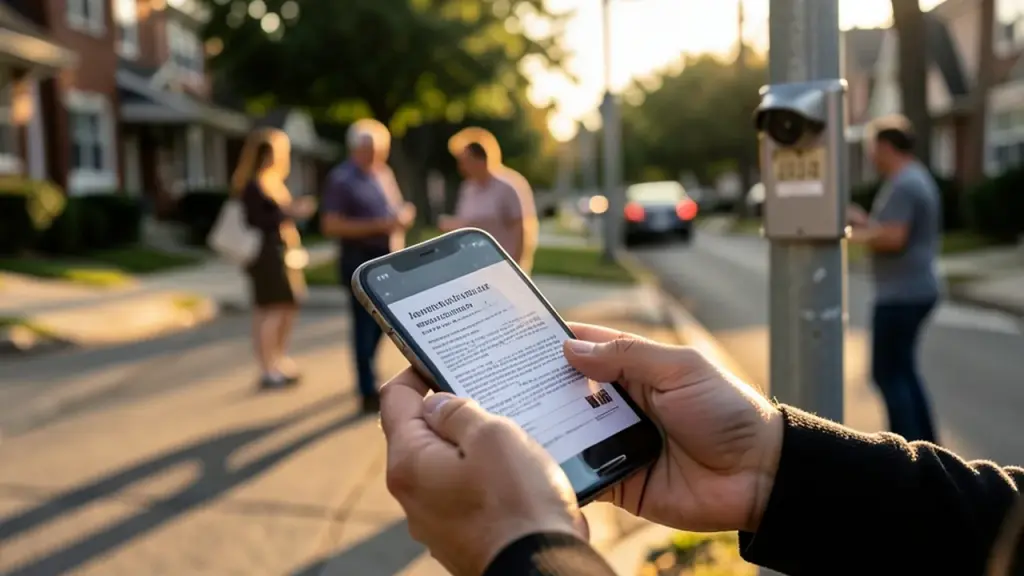
The debate isn’t just about one product. It taps into how cities, police departments, and vendors should handle sensitive data, what safeguards are in place, and what happens if a system contracts with a department that later acts in ways the public finds troubling. The questions readers should ask themselves include what data is stored, how long it’s kept, who can access it, and what recourse residents have if they believe data is being misused.
01
What readers should know about ALPR in practice
ALPR systems are designed to read vehicle license plates quickly and match them to databases. When used responsibly, they can help locate stolen cars or missing persons. When misused or overused, they can create a map of private movement, raising red flags about how data is collected and who gets to see it.
02
Which claims belong to the company and which are critiques
The company emphasizes safety outcomes and claims its audio features are limited to detecting events like gunfire. Critics argue that the same data could paint a broad picture of where people go, who they are, and how they behave, raising privacy and civil liberties concerns if not properly checked.
03
What this could mean for you and your city
If your town or state uses ALPR cameras, the policies you should watch include data retention timelines, who can access the data, and whether the data can be requested for non-criminal purposes. It’s also worth noting how transparent the vendor and the department are about what is collected and how it’s used.
04
What happens next
The ongoing conversation will likely push for clearer rules around data governance, retention, and accountability. If you’re curious about how your area is handling ALPR data, check your local public records or city council agendas for mentions of surveillance or data-sharing agreements.