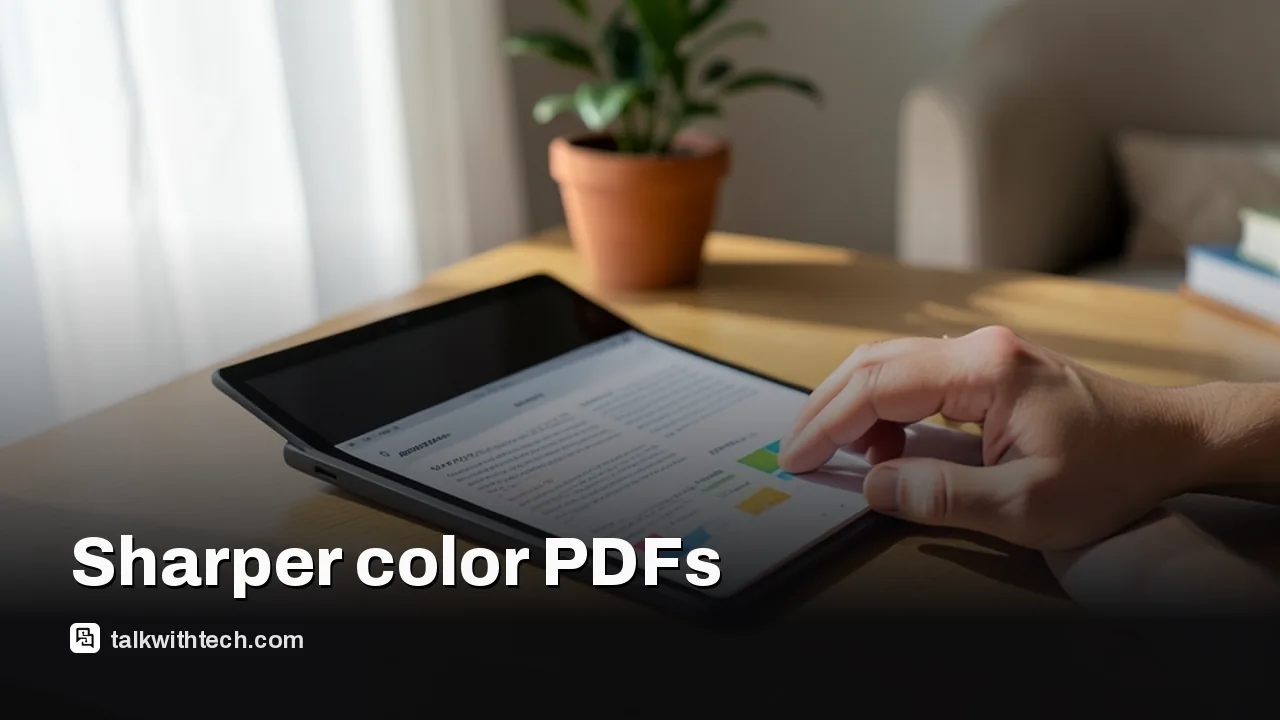
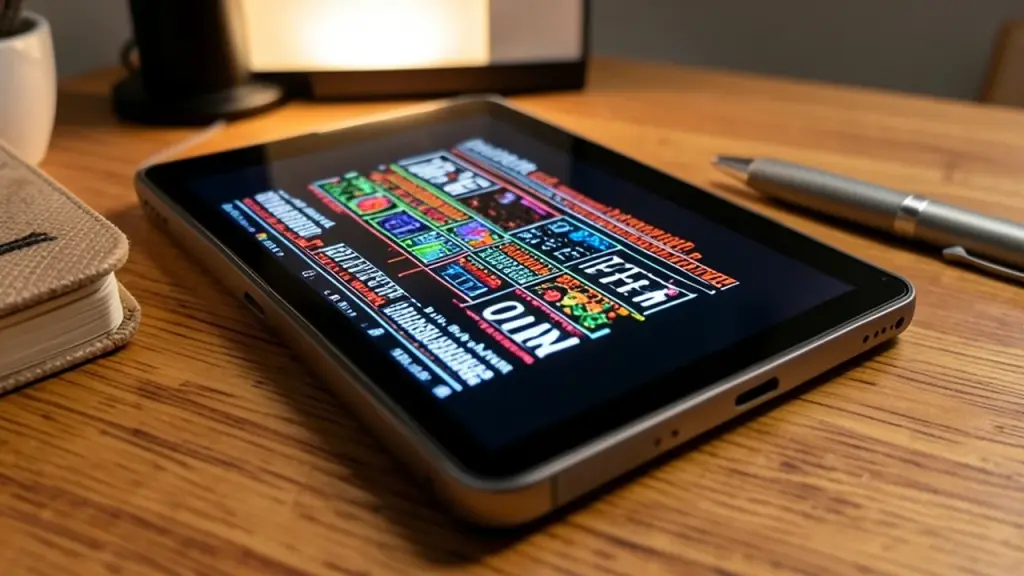
Kaleido 4 expands the color capabilities of E Ink’s color e-paper, enabling richer hues for color PDFs and diagrams.
Contrast rises and white reflectance improves, helping text pop more on bright or sunny days.
The first device to ship with Kaleido 4 is Hanvon’s M10C II notebook, with a new oxide backplane for faster page turns.
Video playback on color e-paper grows, with smoother motion at up to 18 frames per second in ideal conditions.
Quick read · 1 min
E Ink unveils Kaleido 4, a refresh for its color e-paper aimed at crisper color and higher readability for PDFs and notes. The first device to ship Kaleido 4 is Hanvon’s M10C II.
Key numbers to know: broader color gamut for richer colors, higher contrast, better white reflectance, and faster page turns plus smoother video at up to 18 fps. It’s still early days, but the improvement could make color documents easier to read on an eye-friendly screen.
First device: Hanvon M10C II
Next steps depend on broader adoption by other brands
Better reading for color-heavy documents
E Ink is refreshing its color e-paper platform with Kaleido 4, a move aimed at making color PDFs and digital notebooks easier on the eyes without sacrificing battery life. The first device to ship Kaleido 4 is Hanvon’s M10C II notebook.
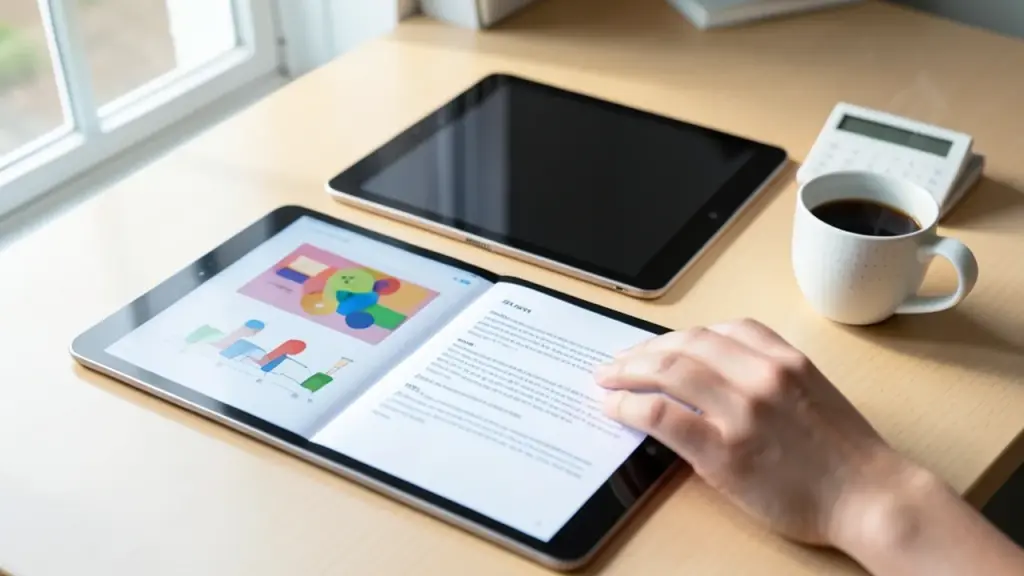
Official details describe Kaleido 4 as widening the display’s color capabilities beyond what the prior generation could handle. Think richer color reproduction for color PDFs, diagrams and educational content that uses color to explain ideas.
In addition to color, Kaleido 4 improves on the readability front: contrast is higher and white reflectance is better. The result should be crisper text and easier viewing in varied lighting conditions, which can reduce eye strain during long reading sessions.
On the engineering side, Kaleido 4 relies on a reworked oxide backplane that operates at higher voltages for faster pixel switching. A dedicated screen-timing chip also helps speed up page flips and scrolling by about 27%, making navigation feel quicker than before.
Video playback on color e-paper is being nudged forward as well, with support for about 18 frames per second at best. While video isn’t the core use case for e-paper, smoother motion can help with detailed diagrams and educational content that include moving visuals.
For everyday users, the takeaway is simple: color PDFs and color-heavy notes could look closer to real paper, with easier viewing in bright environments and less eye fatigue after long study or work sessions.
01
Who gets Kaleido 4 first
The Kaleido 4 launch is tied to Hanvon’s M10C II, the first device to ship with the refreshed color e-paper. There’s no official word yet on when other brands will adopt Kaleido 4 or which models might follow.
02
How Kaleido 4 works, in plain terms
The key upgrade is an oxide backplane that lets pixels switch faster, paired with a screen-timing chip to speed up page turns. Practically, that means less waiting when you flip pages or scroll through color-rich documents.
03
What this means for you
If your day includes a lot of color diagrams, charts or highlighted PDFs, Kaleido 4 could make colors feel more faithful and text easier to read on a glare-free screen. The main caveat is availability; you’ll likely see Kaleido 4 first in a handful of models before wider adoption.
04
What happens next
Kaleido 4 signals a cautious push for color e-paper into more devices beyond niche e-readers. If it catches on, other brands may add Kaleido 4 to their color notebooks and e-paper tablets, expanding how people read and annotate on the go.
There’s no official word yet about Kindle devices adopting Kaleido 4; the current launch is with Hanvon’s M10C II.
Is Kaleido 4 worth waiting for in more devices?
If you value color accuracy and easier reading of color PDFs and diagrams, Kaleido 4 could be appealing, but expect a staged rollout rather than an immediate broad adoption.