Wednesday, 28 October 2026

Echo Dot 6th gen vs 5th gen: what the extra $50 really buys you

The new Echo Dot costs twice what the 2022 model launched at. Some upgrades are real, and one headline feature isn't as new as it sounds.

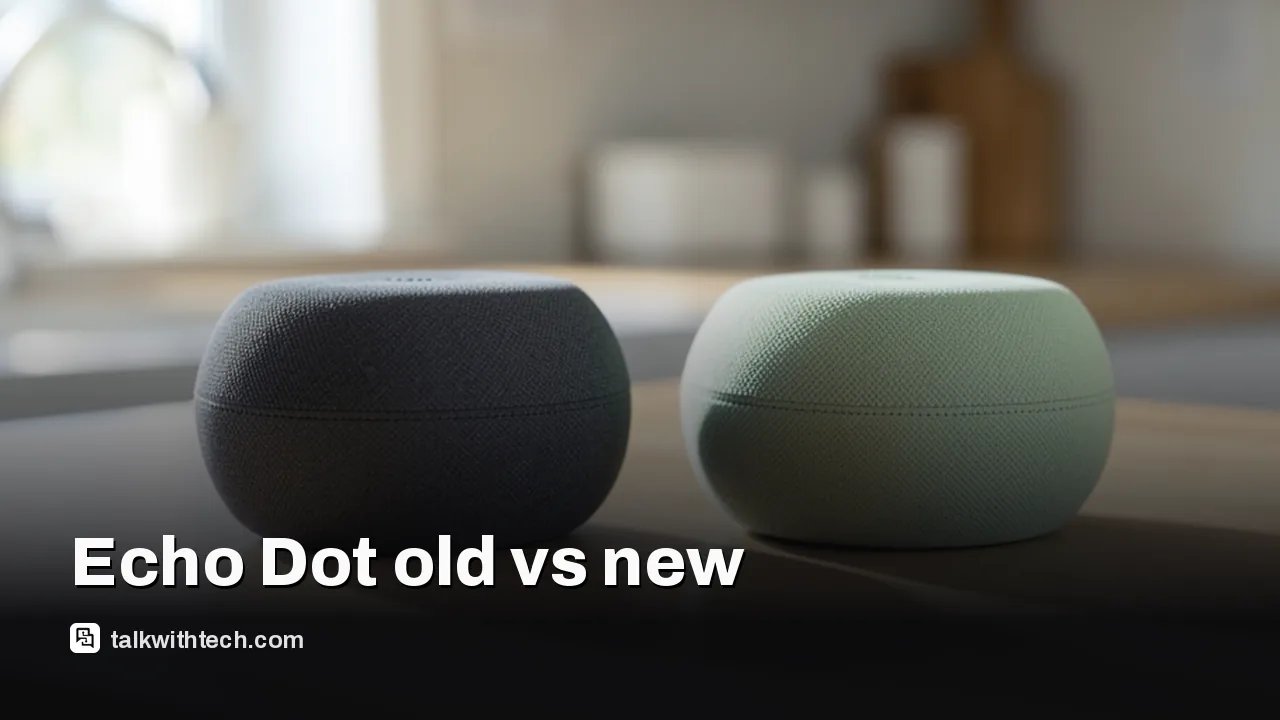
Two small round smart speakers side by side on a kitchen counter

The short version

  • Amazon's new Echo Dot costs $99.99, double the $49.99 the fifth-generation model cost at launch in 2022.
  • The new Dot adds a Zigbee, Matter and Thread smart home hub, an AZ3 chip and a fourth microphone.
  • The fifth-gen Dot already had a temperature sensor and, in the US and Canada, built-in eero Wi-Fi extending.
  • Owners with a separate hub or few smart home devices have little reason to upgrade right away.
Quick read · 1 min

Amazon's new Echo Dot is on sale for $99.99 in the US and £94.99 in the UK, double the $49.99 the fifth-generation Dot cost at launch in 2022.

The extra money buys a built-in smart home hub for Zigbee, Matter and Thread devices, the AZ3 chip for faster Alexa+ replies, a fourth microphone and what Amazon calls 50% more bass. Some of the launch pitch isn't new, though: the older Dot already doubled as an eero Wi-Fi extender in the US and Canada and already had a temperature sensor.

  • Upgrade if you want a cheap hub for smart bulbs, locks and sensors.
  • Keep the fifth gen if it mostly plays music and sets timers.
  • Skip the eero pitch unless you already own an eero router.

The new Echo Dot costs $99.99. The last regular Echo Dot, the fifth generation, launched in 2022 at $49.99. So the real question in the Echo Dot 6th gen vs 5th gen debate is simple: what do you get for twice the money?

The short answer: a built-in smart home hub, a faster AI chip for Alexa+, a fourth microphone and more bass. If you have a growing pile of smart bulbs, locks and sensors, that hub alone can be worth it. If your Dot mostly plays music and sets timers, the older model still does that job, and one feature Amazon is promoting this week was already in it.

01

Echo Dot 6th gen vs 5th gen at a glance

Amazon simply calls the new model the Echo Dot, but it is the sixth version of the regular Dot. Here’s how the two compare on launch details.

  • Launch price: $99.99 and £94.99 for the new Dot, against $49.99 and £54.99 for the fifth gen.
  • Chip: AZ3 with an AI accelerator for on-device processing, against the older AZ2.
  • Microphones: four on the new model, one more than before, to hear you from across a room.
  • Smart home hub: built in on the new Dot, with Zigbee, Matter and Thread support. The fifth gen had no hub.
  • Wi-Fi extender: both work as eero extenders. Amazon quotes up to 1,000 square feet of extra coverage for the new one.
  • Sound: Amazon claims 50% more bass than the previous Dot, from a new full-range driver.
  • Room sensing: the fifth gen had a temperature sensor. The new Dot’s Omnisense system senses temperature and whether someone is in the room.
  • Colors: graphite, glacier white, agave green and coral pink, against charcoal, deep sea blue and glacier white.
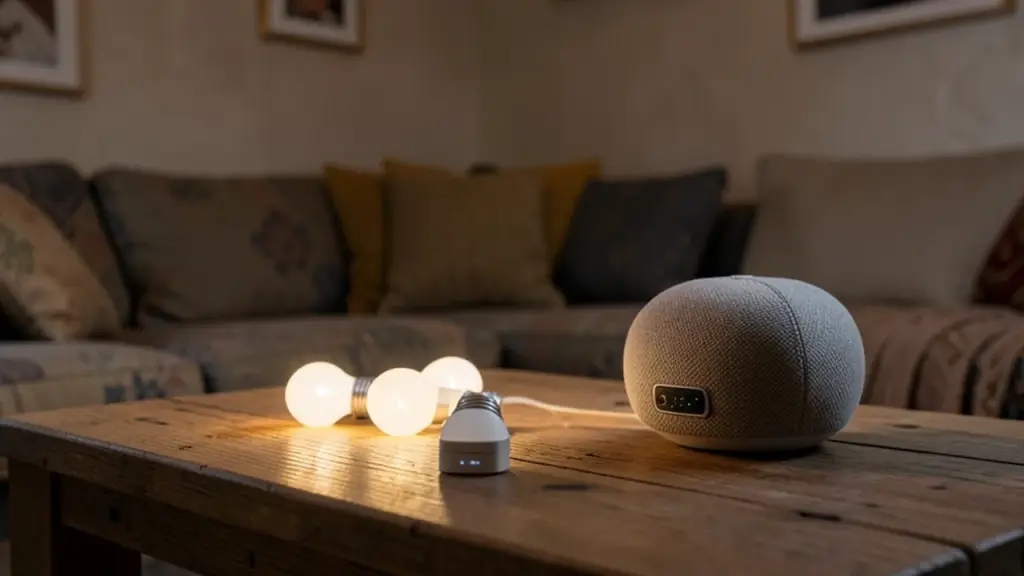
Smart home gadgets arranged around a small round speaker
02

The upgrade that matters most: a real smart home hub

The biggest change in the new Echo Dot is the built-in hub. It speaks Zigbee, Matter and Thread, the three main wireless standards that smart plugs, bulbs, locks and sensors use, so you can connect thousands of compatible devices without buying a separate hub box.

Not sure whether you need one? Check the boxes or settings pages of the gadgets you already own, or the ones on your wish list. If they say Zigbee or Thread, they need a hub. If they only say Wi-Fi, they talk to your router directly and any Echo, old or new, can already control them through the Alexa app. Matter devices can go either way, depending on whether they run over Wi-Fi or Thread.

That matters because Zigbee and Thread gadgets can’t join your Wi-Fi directly. Until now, you needed a bigger Echo or a dedicated hub to run them. A $99.99 Dot that does the job is a cheap way into that world, and if you were about to buy a hub anyway, the price gap with the old Dot mostly disappears.

Omnisense adds a layer on top. The Dot can notice that a room has cooled down and turn up a connected thermostat, or switch on the lights when it senses you walk in.

03

The feature that isn’t new: eero Wi-Fi extending

Amazon’s launch messaging leans hard on the new Dot working as an eero Wi-Fi extender. But the fifth-gen Dot already had eero built in for customers in the US and Canada when it arrived in October 2022, and reviewers listed it as a highlight back then.

The other catch hasn’t changed either. The extender adds coverage to an existing eero network, so it does nothing for you unless you already use an eero router. Don’t pay double for the new Dot on Wi-Fi alone.

The temperature sensor is a repeat too. The fifth gen could already trigger routines, such as switching on a fan, when a room got warm.

04

Alexa+ and the AZ3 chip: faster replies and better hearing

The new Dot is the first to use Amazon’s AZ3 chip, which handles more of your voice processing on the device instead of sending it to a data center and back. Amazon says that makes conversations with Alexa+, its newer AI assistant, feel faster and more natural, and helps filter out background noise.

The fourth microphone helps Alexa hear you as you move around a room. It also helps Voice ID tell household members apart, so asking for music pulls up your playlist rather than your partner’s.

The fifth gen used the AZ2 processor, which also sped up Alexa responses in its day. For quick commands, you may not notice a huge gap. The difference should show more in longer back-and-forth chats with Alexa+.

05

What about the Echo Dot with Clock?

There’s no new Echo Dot with Clock in this launch. The fifth-gen lineup had one for about $10 more than the plain Dot, with an LED display that showed the time, song titles, the weather and your snooze countdown, which made it a popular bedside alarm.

Amazon’s bedroom pick this time is the Echo Time, a separate $199.99 device. It has no camera, but its 3.2-inch round touchscreen sits above a sleep sensor that tracks your breathing with ultrasound, and aims to wake you at a better point in your sleep cycle, up to an hour before the alarm you set, with no wearable needed. Amazon says sleep sensing is opt-in.

That’s a big price jump for a clock. If all you want is the time on your nightstand plus Alexa, a discounted fifth-gen Dot with Clock is still the budget answer, as long as stores have stock.

Do you need Prime for the new Echo Dot?

No, but you’ll want it for the best features. The Dot works as a regular Alexa speaker out of the box, while Alexa+, the newer assistant the AZ3 chip is built for, comes included with a Prime membership. Without Prime, a big part of the reason to pay $99.99 shrinks.
06

Should you upgrade from the 5th gen Echo Dot?

Here’s a simple way to decide:

  • Upgrade if you want to add Zigbee or Thread devices and don’t own a hub, or if Alexa often mishears you from across the room.
  • Keep your fifth gen if it mostly plays music, runs timers and controls Wi-Fi plugs. Those tasks don’t need the new hardware.
  • Buy the old model on sale if you just want a cheap speaker. The fifth gen was often discounted during sales, and its eero support and temperature sensor still work.
  • Look at the Kids version if it’s for a child’s room. The new Amazon Kids Echo Dot costs $109.99 and £104.99 with a year of Kids+ included.

One thing neither Dot fixes: there’s still no audio jack to wire it into a bigger speaker. The fifth gen dropped the 3.5mm port, so you’ll rely on Bluetooth either way.

07

Quick answers

Is there an Echo Dot 6th generation?

Yes. Amazon launched a new Echo Dot this week for $99.99, the follow-up to the 2022 fifth-generation model, though Amazon just calls it the Echo Dot.

Does the Echo Dot 5th gen have eero built in?

Yes, in the US and Canada. It could already extend an existing eero network.

Is the new Echo Dot worth $99.99?

It is if you need a smart home hub. For music and timers alone, the older Dot is still fine.

You're reading the quick version.