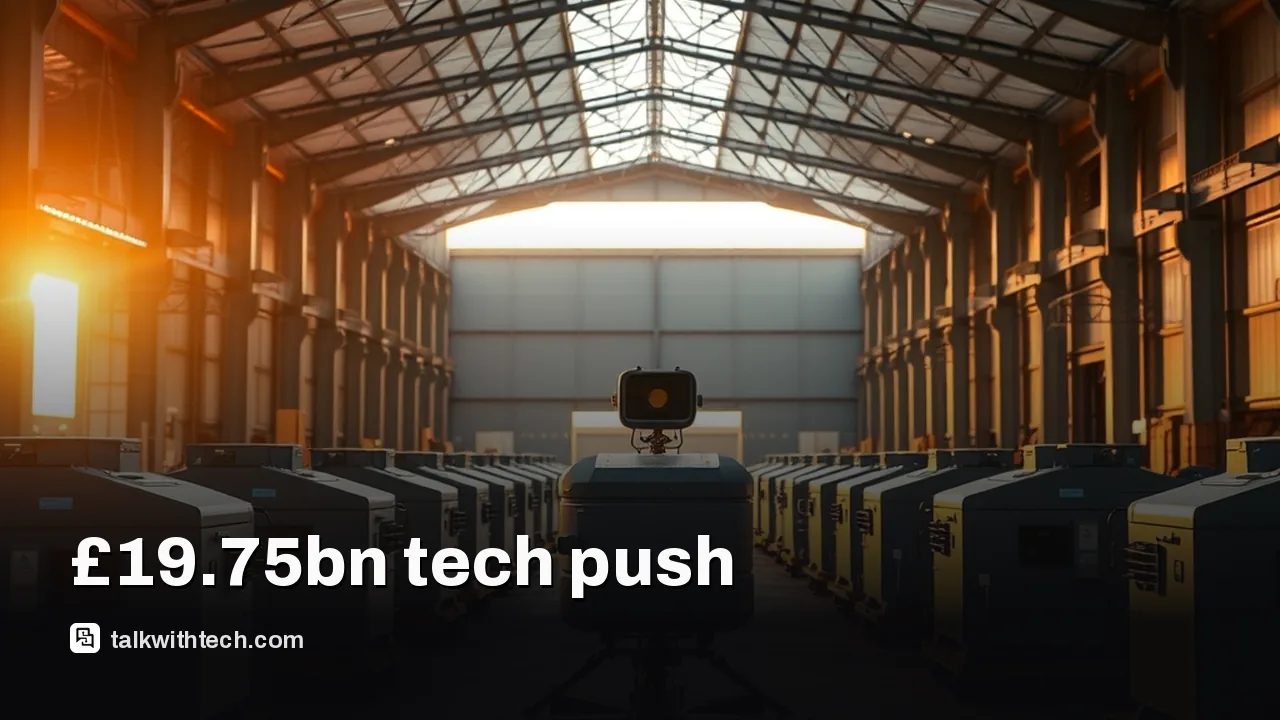
UK defence firms plan £19.75bn tech push into cyber and space
UK defence companies plan a substantial year of tech investments, focusing on cybersecurity, sensors and space tech, with a strong interest in partnerships and private funding.
UK defence firms plan a multi-billion pound push into tech over the next year, with a focus on cybersecurity, sensors and space tech.
Many firms expect to invest in new tech while continuing to upgrade traditional defence hardware, including air defence and counter-drone systems.
The funding outlook is dominated by external investment and partnerships as defence tech expands in the UK and Europe.
Quick read · 1 min
UK defence firms are planning a multi‑billion pound push into technology over the next year, emphasizing cybersecurity, sensors and space tech. Traditional hardware like air defence and counter‑drone systems will still be funded. External investment and partnerships are expected to drive much of this activity, with more deals and funding rounds likely in the months ahead.
Why it matters to you: this could speed up innovations in cyber defenses and sensing tech that eventually show up in everyday devices. What to watch next: new collaborations, funding announcements, and cross‑border partnerships in the UK and Europe.
A fresh look at UK defence spending shows a strong push into technology over the coming year. The survey of 250 senior decision-makers at defence companies and defence tech startups points to a combined, multi‑billion pound plan to upgrade capabilities, with an average emphasis on cybersecurity, sensors and space tech. While estimates vary by firm, the overall message is clear: investment is moving toward smarter, capable systems rather than sticking with older gear alone.
Participants say cybersecurity, advanced sensors, and space technologies are the top priorities. Yet many firms also intend to keep funding traditional hardware such as air defence and counter‑drone systems, signaling a balanced approach that blends new tech with proven equipment. The appetite for AI‑enabled enhancements in existing systems was also noted by several respondents.
01
What the investment covers
Among those planning to spend, most expect to push new technologies and to increase production. Common themes include upgrading to smarter sensors, stronger cybersecurity measures, and developing or integrating space-related tech into broader defence programs.
02
Why this matters for the UK and Europe
The survey highlights demand for continued government defence spending and more opportunities to export. UK firms see themselves as leading Europe’s defence tech scene and plan to expand their footprint in the UK over the next year, with a strong interest in partnerships, joint ventures, and other collaborative approaches to growth.
03
How funding is expected to work
External funding is expected to play a major role, with firms signaling they will pursue significant investment from private markets to accelerate research, development and production of new capabilities.
04
What this means for everyday readers
For readers in the United States, United Kingdom and Canada, these plans signal faster progress in cybersecurity and advanced sensing tech that could filter into consumer tech down the line. It may also lead to more high‑tech jobs and collaborations across borders as defence innovations ripple into civilian uses.
Industry insiders expect more announcements about partnerships and funding rounds in the coming months as the sector lays out its next phase of development and collaboration.
06
Quick answers
Will this affect consumer tech soon?
Direct impact on consumer devices isn’t immediate, but innovations in cybersecurity and sensors often find civilian applications over time.
Where will the money come from?
The study points to external funding as the main source, with many firms planning partnerships and private investment to support growth.
Does this mean higher UK defence spending right away?
The report describes planned activity over the next year, aligned with ongoing government defence spending trends and industry funding efforts.
Manus raises more than $500 million in its first funding round since Meta pulled the plug on the acquisition, signaling renewed investor confidence in AI agent tech.