HyperX Cloud Alpha Air: light, breathable open-back headset that won’t break the bank
HyperX's first open-back gaming headset costs $149.99, weighs under 10 ounces and sounds great in big games. The cables and the software are another story.
The Cloud Alpha Air is HyperX's first open-back gaming headset and costs $149.99, undercutting most open-back rivals.
Reviewers found it very light and comfortable, with balanced sound and a wider soundstage than closed-back headsets.
Bass stays present thanks to a built-in Bass Tube, though closed-back models still hit harder.
Downsides include a bulky cable extension system, a mute-button blip and Ngenuity software that failed to recognize it.
Quick read · 1 min
The HyperX Cloud Alpha Air is the company's first open-back gaming headset, and at $149.99 it's cheaper than most rivals. Open-back earcups let sound flow in and out, which gives a wider, more natural soundstage but leaks noise and blocks little from outside.
Reviewers found it light, at around 10 ounces, and comfortable for hours. Sound is balanced, games like God of War Ragnarok sound especially spacious, and a built-in Bass Tube keeps the low end from disappearing.
The extension cable system adds a heavy joint mid-cable.
The mute button can cause a blip and the mute light is hard to see.
HyperX's Ngenuity software didn't recognize it in testing.
It's a strong pick for story and open-world gamers in a quiet room, less so for shooter fans or anyone wanting big bass.
The HyperX Cloud Alpha Air does something gaming headsets usually avoid: it lets the world in. It’s HyperX’s first open-back headset, with earcups that leave sound free to flow in and out, and at $149.99 it costs a fraction of the $900 Audeze LCD-GX.
That price matters if you’ve been curious about open-back sound but don’t want to spend hundreds more to try it. Open-back headphones are what most studio reference headsets use, because they sound more natural and spacious. The trade-off is that they leak sound and block very little outside noise. So is the Cloud Alpha Air a bargain or a compromise? This HyperX Cloud Alpha Air review pulls together hands-on testing and launch details to answer that.
01
What the HyperX Cloud Alpha Air is, and what it costs
This open-back model plugs in with cables rather than Bluetooth, fits over your ears, and sells for $149.99 in the US. HyperX, which HP bought in 2021, revealed it at its Level Awakening livestream in August alongside new mice and microphones, and said it would be available in September.
That price puts it below other open-back gaming headsets. The Turtle Beach Atlas Air sells for $180 and the Corsair Virtuoso Pro for $200, while the Audeze LCD-GX sits in another league at $900.
Inside are 40mm dynamic neodymium drivers, the speakers that make the sound, with a standard frequency range of 20 to 20,000 Hz. HyperX has also added what it calls the HyperX Bass Tube, a feature meant to stop the bass from thinning out, which is a common weakness of open-back designs.
02
Is the Cloud Alpha Air comfortable for long sessions?
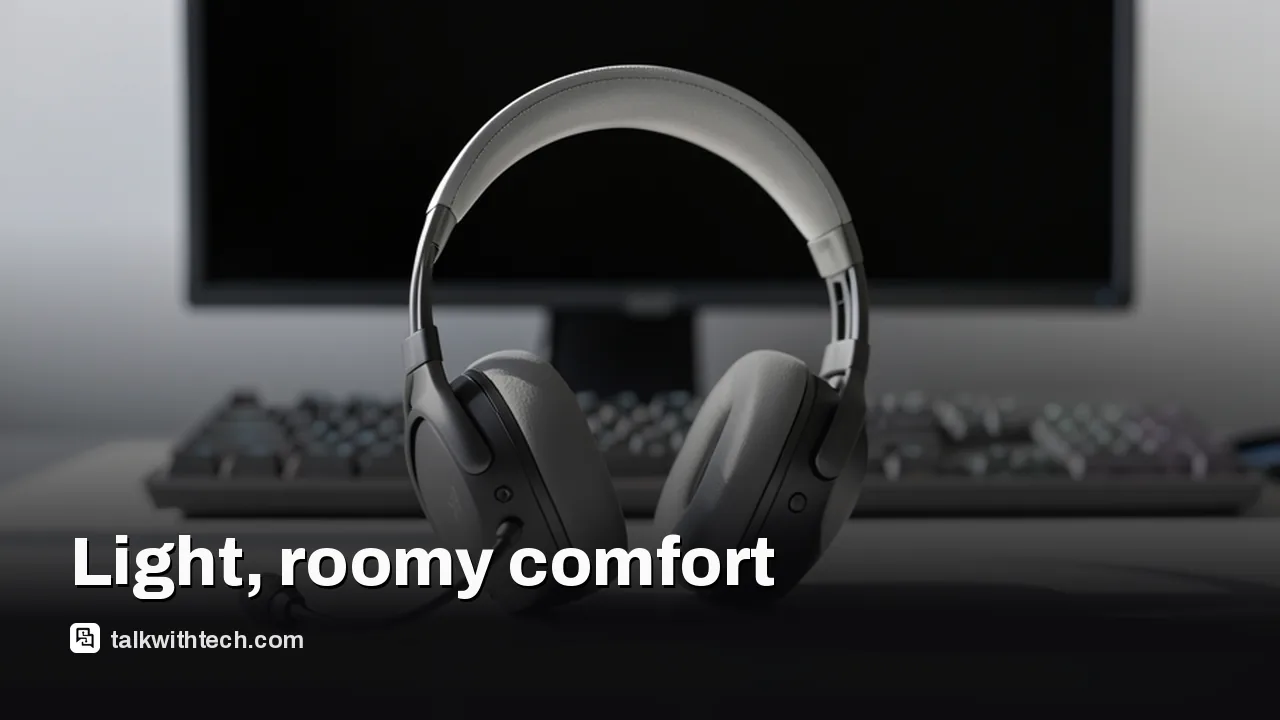
Yes, and comfort is its strongest point. HyperX lists the weight at 9.6 ounces (272g) without the boom mic. One reviewer measured it at closer to 10 ounces, and just under 10.6 ounces (300g) with the mic and cables attached. That still makes it one of the lightest headsets HyperX makes, slightly lighter than the Cloud Stinger 3 Wireless and the Turtle Beach Atlas Air.
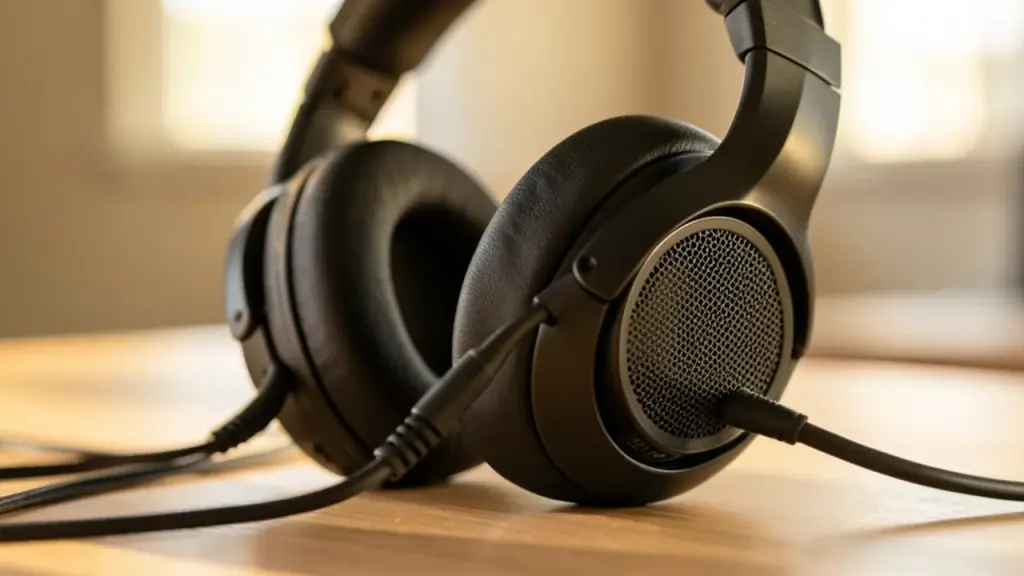
The oval earcups are roomy, with thick memory foam wrapped in soft ultrasuede, and they connect to a padded steel headband through metal-reinforced yokes. That makes the frame sturdy but fairly stiff. The cups tilt and swivel only a little and don’t fold flat. Each side adjusts by about an inch.
Reviewers found it easy to wear for hours. One played for hours in a hot New York City apartment without noticeable fatigue. The one warning: people with larger heads may feel the top of the headband pressing on the crown, as one tester did slightly.
03
How the Cloud Alpha Air sounds in games and music
The sound is mostly neutral, with bright, detailed highs, full mids and solid but not overpowering bass. The soundstage, meaning how wide and spread out the audio feels around your head, is clearly bigger than on closed-back headsets, though not as open as on top-end models like the Audeze LCD-GX.
Games are where it shines. In richly layered games such as Uncharted 4 and God of War Ragnarok, testers could pick out individual creatures in jungle scenes and follow conversations in busy cities. One early hands-on described the effect as sound projected onto a sphere around your head rather than beamed into your ears, closer to real surround sound.
Directional audio is very good too, but for competitive shooters, where hearing exactly where footsteps and gunshots come from decides matches, a closed-back headset may still be the safer choice. For exploring open worlds, and for hearing what is happening around you while you play, open-back is hard to beat.
The Bass Tube does its job. Bass was present and fairly detailed in music, but closed-back headsets such as the Razer BlackShark V3 Pro still deliver more punch. If heavy bass is your priority, this isn’t the headset for you.
04
The catches: cables, mic and Ngenuity software
The weakest part is the wiring. The main cable is a 4-foot 3.5mm cord, and to plug into different devices you add one of two extensions: a 3.5mm-to-USB-C cable with a USB-A adapter for PCs and consoles, or a PC splitter with separate audio and mic jacks. Together that gives about 8 to 8.5 feet of cable on a PC, which is plenty, but the joints add a heavy lump halfway down. The braided cables feel well made, if a bit heavy.
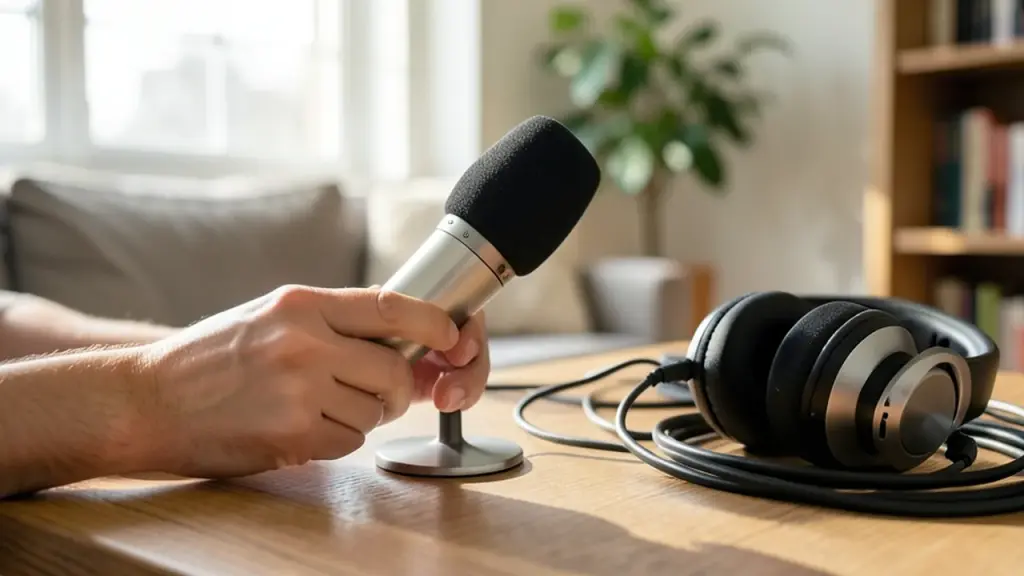
The detachable 10mm boom mic is the same one HyperX uses on its pricier Cloud III S Wireless and Cloud Alpha 2 Wireless. Voices came through clear and full, though pickup was quiet by default. A small red light on the mic shows when you’re muted, but it sits too low and is too dim to see easily. Pressing the mute button on the left earcup also caused a noticeable blip in recordings. The right earcup has a volume wheel.
HyperX says the headset works with its Ngenuity software, which should let you adjust the EQ and mic gain. In testing, though, no version of Ngenuity recognized it. Because the headset is mostly analog, it works fine without the software, and a future update may fix the problem.
If you mostly play single-player or open-world games, sit in a quiet room and wear a headset for hours, the Cloud Alpha Air is one of the cheapest ways to get good open-back sound from a known gaming brand. It plugs into PCs and consoles with the included cables, and a drawstring bag comes in the box.
It’s a poorer fit if you share a room, since open-back headphones leak sound both ways, or if you want strong bass, wireless freedom or a clean single cable. Competitive shooter players may also prefer the tighter focus of a closed-back design.
06
Quick answers
How much does the HyperX Cloud Alpha Air cost?
It costs $149.99 in the US, less than open-back rivals such as the Turtle Beach Atlas Air and Corsair Virtuoso Pro.
Is the HyperX Cloud Alpha Air wireless?
No. It’s wired only, connecting by 3.5mm jack, USB-C or USB-A through the included cables.
Does the Cloud Alpha Air work with Ngenuity?
It’s meant to, but in review testing the software didn’t recognize it. The headset works fine without it.
Hidden code in the One UI 9.5 beta describes an AI camera mode that explains what you point at, plus automatic portrait blur. Here's how it would work.
A Chinese leaker says Apple's anniversary iPhone will bring back titanium, printed in layers by laser, and may come in a rare ceramic edition. Here's what holds up.
5 min read
We use cookies to understand how readers use Talk With Tech, so we can make it better. Is that OK? Privacy policy
The Daily Brief
Today's biggest tech stories, in 5 minutes
Every morning, the news that matters from AI, phones, apps and the people shaping tech. Explained in plain English. Free.
One email a day. No spam, unsubscribe anytime. Privacy policy