Bose wired earbuds review: USB-C ANC with no pairing needed
Bose returns to a familiar cord with USB-C wired earbuds that include active noise cancellation and high-res audio, offering a simple, lag-free alternative to wireless.
Bose launches Noise Cancelling Wired Earbuds with USB-C plug, no wireless pairing needed.
They offer active noise cancellation, high-res audio, and a simple, battery-free design.
Cable form brings advantages like low latency and stability but adds cable clutter and wind noise challenges.
Quick read · 1 min
Bose’s Noise Cancelling Wired Earbuds bring active noise cancellation to a simple USB-C wired design. No charging, no pairing, just plug in and listen with high-res audio up to 24-bit/48kHz. The trade-off is the cable, which can snag and pick up wind noise in real environments. They’re IPX4 rated and include multiple ear tips and wings for a secure fit. If you want ANC without the hassle of wireless, these are worth a look.
What this means for you: fast setup, solid sound, and a bias toward simplicity if you mostly use USB-C devices. If you value total wireless freedom or rely on iPhones with Lightning, you’ll weigh the benefits against the lack of wireless flexibility.
Plug-and-play USB-C connection
Active noise cancellation and high-res audio
No battery, no app, but a cable to manage
When Apple ditched the headphone jack in 2016, most people moved to wireless earbuds and didn’t look back. Bose is betting against that trend with a new pair of wired earbuds that bring active noise cancellation to a simple USB-C connection. The goal is straightforward: plug in, listen, and forget about charging or pairing.
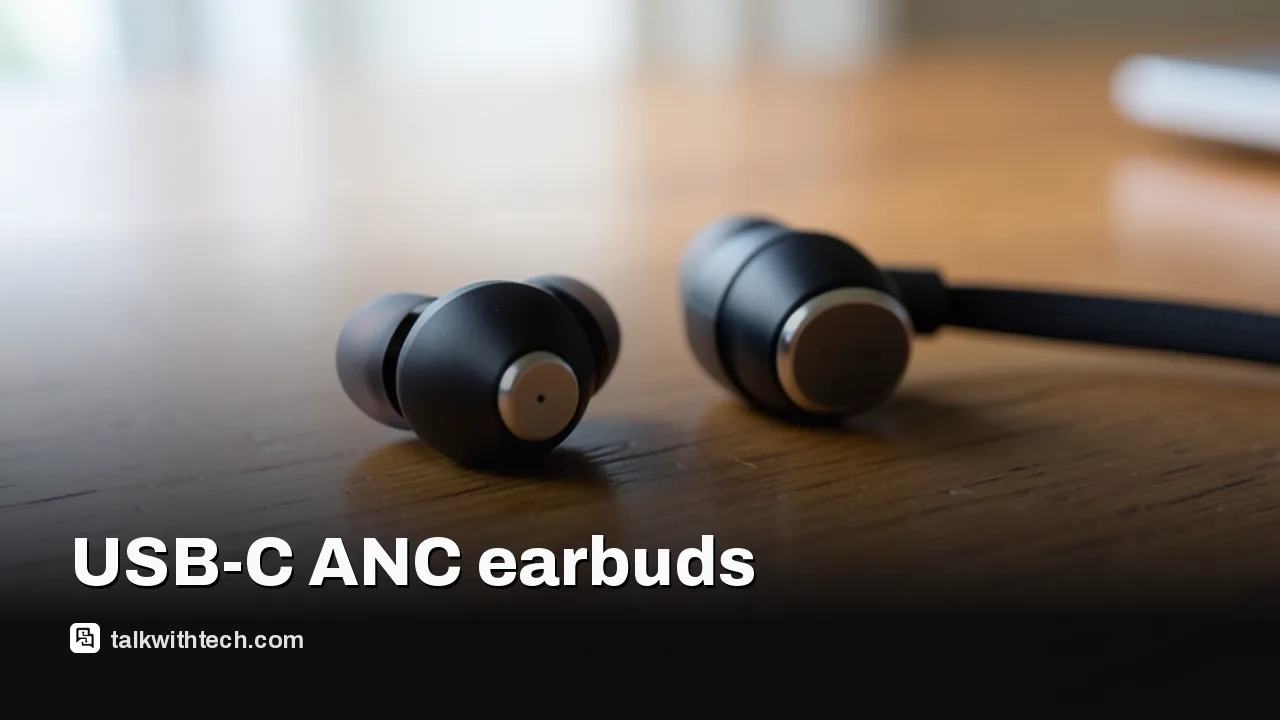
The Bose Noise Cancelling Wired Earbuds connect over USB-C, which allows the company to bring ANC to a cable-based design without forcing you to carry an extra battery pack. That means no charging, no Bluetooth setup, and no app to run. Just plug into a compatible phone or computer and they work. The lack of a dongle is a small but meaningful convenience for people who still value the simplicity of wired listening.
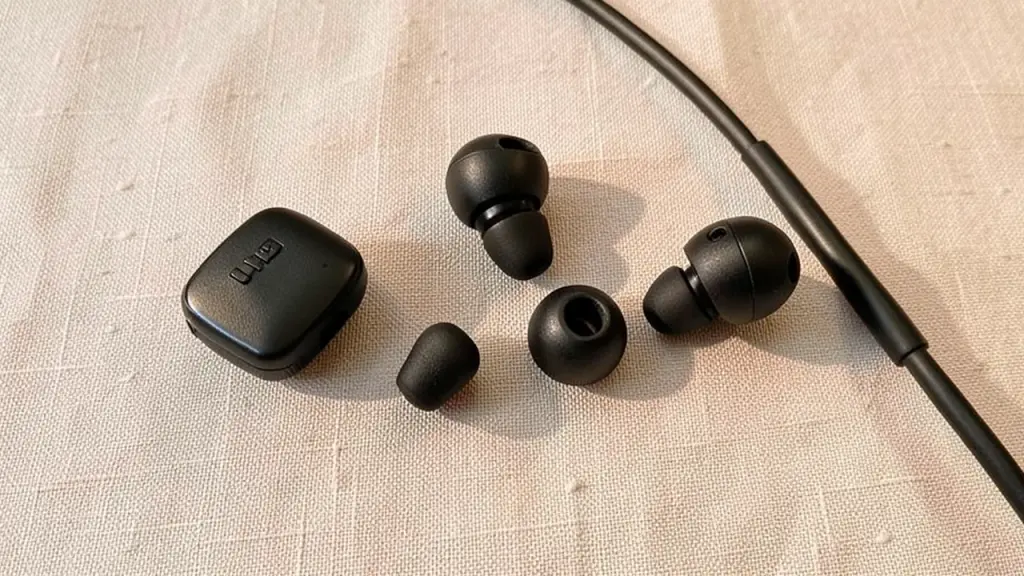
On sound, Bose delivers a clear, bright voice with punchy bass that sits well with pop, rock and streaming audio. The earbuds support 24-bit/48kHz high-res audio, giving a noticeable edge over consumer-grade wired options that stay at standard CD-quality. The inline remote controls are tactile and the fit comes with three ear tip sizes and two wing options to keep them secure for long listening sessions. They’re IPX4 rated, so a bit of rain or sweat won’t wreck the experience.
Where the wired setup shines is latency. Because there’s no Bluetooth to introduce lag, video and audio stay in sync, which makes them a reliable pick for watching videos or gaming on a handheld or computer. The main tradeoff? there’s a cable, which means more potential snagging and cable noise, depending on how you carry and move with them.
Battery life isn’t a concern here because there isn’t one to manage. That means you won’t have to worry about reminders to recharge or the earbuds dying mid-track. But it also means you’ll always be tethered to a device with a USB-C port, something to consider if you switch between multiple devices or prefer wireless for workouts or commuting.
Call quality is a mixed bag. The mic array built into the inline remote handles typical street noise, but ambient chatter can still creep in on windy days or loud environments. It’s the classic trade-off of a simple wired design: fewer moving parts, but fewer tricks too.
Bottom line: for anyone who wants the simplest possible setup with ANC, and who still uses devices with USB-C ports, Bose’s wired option fits the bill. They’re light, straightforward, and work without any extra setup. The downside is the cable, which means they’ll snag on bags, laptops, and jackets if you’re moving quickly or packing up at the end of a day. Still, they’re among the best affordable wired options available.
01
Which devices get the best experience
The USB-C connection makes the earbuds work out of the box with newer Android phones and laptops that include USB-C audio. If you’re using an older device with a USB-C port, you’ll appreciate the lack of adapter headaches. There’s no need for Bluetooth pairing or companion apps, which cuts out setup time and potential software hiccups.
02
The knack and the nuisance of wired ANC
Active noise cancellation on these wired buds is solid, especially for blocking low-frequency hums like air conditioning and road noise. It won’t quite match Bose’s Bluetooth ANC on more expensive models, but it’s still effective at the price point. The trade-off is wind noise and some high-end hiss when ANC is active but no music is playing. If you’re outside on a breezy day, you might switch ANC off for clearer conversations and environment awareness.
03
What it costs and what you get
The review unit’s value rests on the balance between simplicity and performance. You get USB-C wired earbuds with ANC, multiple ear tips and wings for a secure fit, in-line controls, and IPX4 sweat and rain resistance. There’s no battery pack, no app, and no wireless charging to worry about. If you mainly listen at a desk, on a commute, or during workouts where you don’t want to deal with charging cables, these are a compelling choice.
04
What this means for everyday people
If you’re tied to USB-C devices and want ANC without the fuss of Bluetooth, Bose’s wired option fits the bill. They’re light, straightforward, and work without any extra setup. The downside is the cable, which means they’ll snag on bags, laptops, and jackets if you’re moving quickly or packing up after a long day.
If you’re tempted, check your devices for USB-C audio support and consider how often you need wireless freedom. If you frequently run with a bag or bike helmet, you might still prefer wireless buds for their freedom of movement. For a simple, reliable listening setup, the wired Bose are a solid option to try this season.
06
Quick answers
Do these need charging?
No. They’re battery-free because they’re wired and draw power from your device.
Do they work with iPhones?
They’ll work with iPhones that have USB-C or a compatible USB-C audio device, but iPhones typically use Lightning, which may require an adapter.