Wired headphones are regaining popularity because they’re simple, cheaper, and lag-free compared with wireless options.
They avoid charging hassles and eschew Bluetooth issues that can affect gaming and music creation.
The comeback isn’t about replacing wireless audio, but about keeping wired options handy for certain tasks and devices.
Quick read · 1 min
Wired headphones are making a quiet comeback because they’re simple, cheaper, and lag-free compared with wireless options. They also avoid charging hassles. For casual listening, that’s fine, but the trend isn’t about replacing wireless audio entirely; think of wired gear as a reliable backup or desk setup option. To test if wired still fits your life, try a budget wired pair against your wireless normal for a week and check if the cable path, comfort, and sound meet your needs.
Keep one or two wired pairs for the desk or travel.
Check ports on your devices and carry a small adaptor if needed.
Compare latency and comfort between wired and wireless in real tasks.
Wired headphones are back on the radar, and the story isn’t about nostalgia. It’s about practicality. In a world full of wireless earbuds that promise frictionless pairings and sleek design, many listeners are reminded that wired headphones still deliver reliable sound, lower latency, and fewer compatibility headaches. The sentiment comes from a thoughtful look at how we actually use our gear day to day, not a grand bid to turn back the clock.
The author behind the piece argues that wired gear stays relevant for several real-world reasons: cost, simplicity, and reliability. You don’t need to charge a cable or worry about Bluetooth version drift. For gamers, creators, and people who work with audio, there’s still a strong case for keeping a wired pair at hand. The article also notes that most modern devices are removing headphone jacks in some places, nudging buyers toward adapters or USB-C headphones, which is a reminder that the scene is still changing and tech labels can shift quickly.
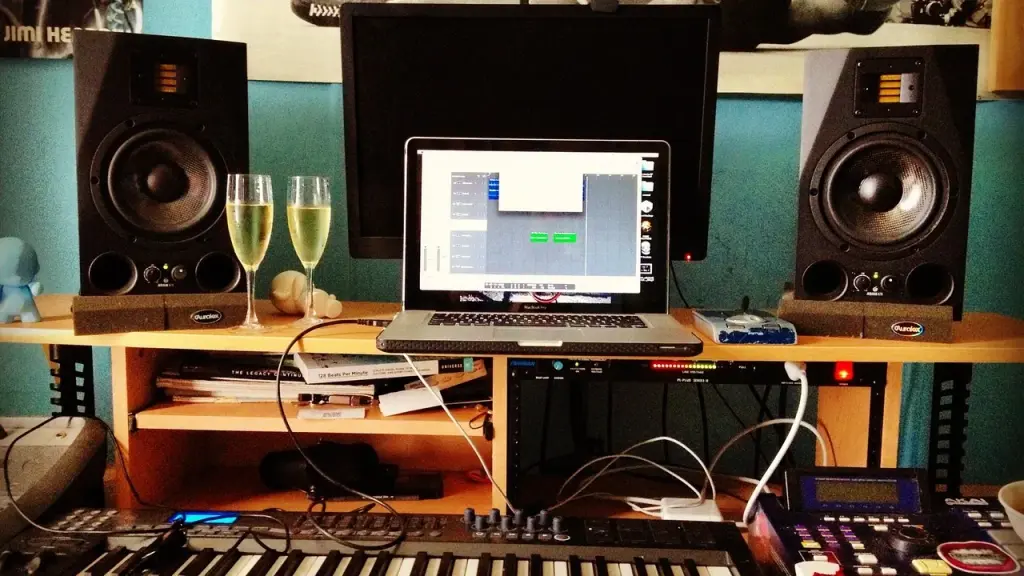
In practical terms, the argument is not that wireless audio is finished. It’s that wired headphones offer an option that’s hard to beat in certain situations, at a desk for studio work, during long listening sessions, or when you want a reliable connection without managing a charging schedule. And yes, even the most devoted wireless fans still reach for wired sets when latency matters, like gaming or electronic music production.
01
Which headphones still make sense for a wired setup
The piece points out that wired headphones benefit from being simpler and often cheaper than wireless models. Fewer fancy components means fewer things that can fail, and no battery to drain. If you’re choosing a pair for work or for a home studio, a wired option tends to offer consistent performance without the risk of Bluetooth dropouts or lag.
02
The tradeoffs you should weigh
There are clear downsides to wired headphones: most devices are removing headphone jacks, so you may need adapters or new USB-C headphones. Cables can tangle and wear out, and there’s a perpetual risk of the cable snagging or pulling the ear cups out of place. The article suggests weighing how you use your gear day to day before ditching every wired option in your bag.
03
What this means for your everyday life
For the average listener, the takeaway is simple: keep one or two wired headphones as a back-up or a primary desk setup option. They work well with desktops, older laptops, and many audio interfaces used for music or video work. If you value cost-per-use and reliability, wired headphones can be a practical complemento to your wireless gear rather than a threat to it.
04
What to do now
If you’re curious about trying a wired setup, start by testing a budget pair you already own or borrowing one to compare with your wireless option for a week. Check that your devices have a compatible port or carry a small USB-C adaptor. That way you’ll know whether a simple, reliable wired option still makes sense for you.
Sound quality depends on the model. In many cases, wired headphones can deliver richer, more accurate audio than budget wireless options since there’s no compression or latency.
Are wired headphones worth it if my device lacks a headphone jack?
You can use USB-C headphones or a small adaptor, but you’ll need to decide if the convenience of wireless is worth the tradeoff in price and potential lag in some apps.