IMF World Economic Outlook 2026 warns oil buffers are shrinking
The IMF’s latest World Economic Outlook warns that dwindling emergency oil stocks and high debts could magnify future shocks for households and businesses.
The IMF warns energy inventories are running low while debt remains elevated, heightening vulnerability to price shocks.
Global growth is pegged at 3.1% this year, with 3.4% forecast for 2027; the U.S. is seen expanding 2.3% in both years.
The UK’s outlook sits at about 1.3% this year and 1.2% next year, with risks tilted to the downside.
Quick read · 1 min
The IMF’s latest World Economic Outlook says the global economy could face more pressure as emergency oil stocks dwindle and debt remains high. Energy inventories are shrinking, and shocks could push prices higher.
That means households could see energy bills rise and some goods become more expensive if buffers tighten. Policymakers are urged to act now with targeted relief and measures to stabilize energy supplies.
What happens next depends on how quickly governments adjust policy and how energy markets respond. The IMF outlook will influence budget talks and decisions in the US, UK, and Canada.
The IMF warns that the global economy could be closer to the edge than many realize. In its World Economic Outlook, the fund notes that emergency energy stocks have been drawn down and debt levels are high in many countries. While shoring up energy flows and stock releases helped cushion prices recently, those buffers are dwindling, leaving policymakers less room to shield people if prices move higher again.
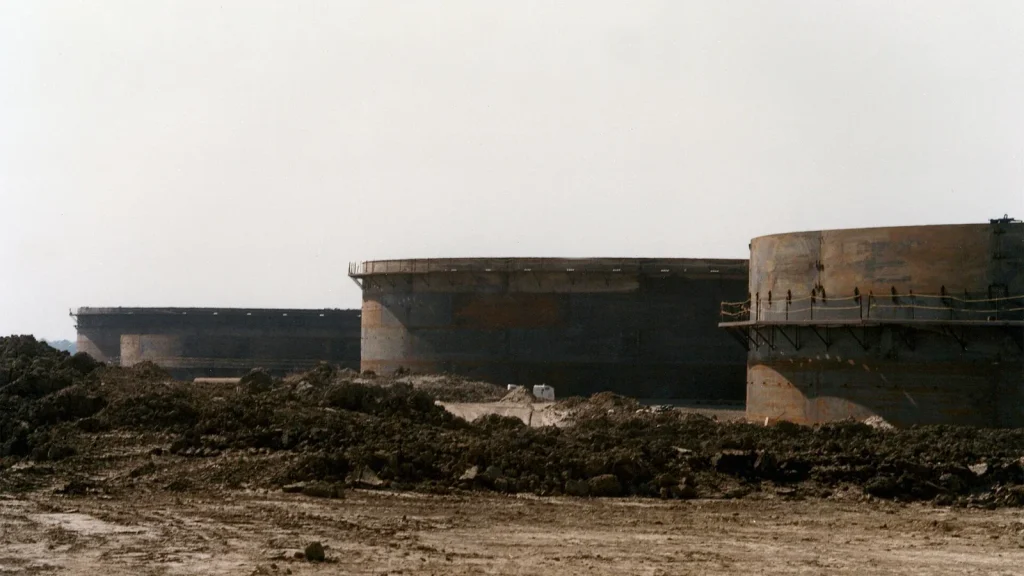
Policymakers are facing a delicate balance as the IMF flags potential headwinds from energy markets, higher interest rates, and ongoing geopolitical tensions. The fund highlights that the largest energy reserves have already been tapped, and the US strategic petroleum reserve has fallen to its lowest level since 1982. If new shocks hit, price spikes could spread quickly through households and businesses.
On inflation, the IMF remains cautious. It projects global inflation to ease but not disappear, which could keep living costs under pressure for households and affect borrowing costs for families and small firms alike. Kristalina Georgieva, the IMF’s managing director, urged authorities to act without delay and use their tools wisely: “We cannot keep delaying necessary policy action – you have the tools, now have the wisdom to use them.”
The latest projections show global growth at 3.1% this year, with next year’s pace unchanged at 3.4%. In the United States, growth is expected to be 2.3% this year and 2.3% in 2027. The UK’s growth is forecast at about 1.3% this year and 1.2% next year, reflecting the impact of higher energy costs and longer-term interest rates on spending and investment.
The IMF also flags downside risks tied to geopolitical strife, cyber threats, and extreme weather. A bigger disruption in any of these areas could push energy prices higher and ripple through to consumer prices and economic activity.
For readers, the takeaway is straightforward: energy security and debt levels shape how well economies can weather shocks. If buffers tighten or prices jump, households could face higher bills and slower growth in the coming months.
01
What this means for everyday life
Even if you don’t follow macroeconomics closely, the IMF’s warning translates to potential changes in energy bills, prices for goods, and how easily lenders adjust loan terms as inflation and growth data shift.
02
Policy angles to watch
Policymakers are urged to replenish buffers and bolster energy supply capacity. The IMF points to targeted relief for vulnerable households and proactive energy-market management to dampen volatility and price swings.
03
What happens next
The World Economic Outlook lands twice a year and often shapes upcoming budget talks and central-bank decisions. Watch for updates on energy policy, debt sustainability, and inflation paths as new data emerge.
The IMF says shocks could transmit quickly into higher prices if energy supply tightens or geopolitical tensions flare up; policy responses will matter a lot.
What should households do now?
Keep an eye on energy bills and plan for possible price swings. If you’re shopping for a loan, compare terms carefully as rates move with inflation expectations.