Reliance answered Musk in mid-October without naming him. Its statement said India welcomes investment from home and abroad but that every company must follow the country’s laws, and it noted that Jio’s own satellite service is also waiting for clearances under the same process. The company pointed to Jio’s growth since 2016, from zero customers to more than 530 million, and said it has never feared competition.
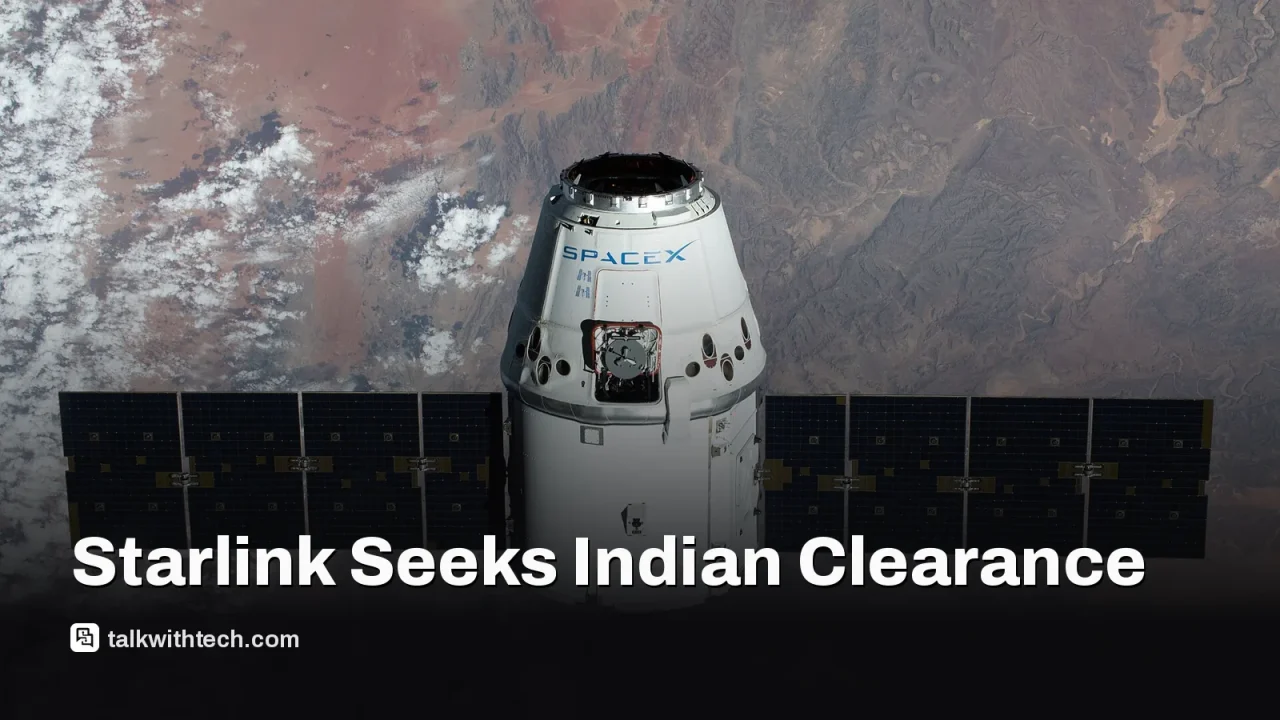
Starlink replied the same day on X, saying it is “ready to connect India”. It said it has worked with Indian regulators, industry and operators for more than five years and has built dedicated systems and gateways inside the country to carry Indian traffic only. By its own count, Starlink has hundreds of antennas installed across India and more than 20 gateways, which are the ground stations that connect its satellites to the wider internet.
The rivalry is tangled. Jio and Bharti Airtel both agreed last year to distribute Starlink equipment, yet both are building their own satellite services. Jio is working with operator SES and plans a constellation of around 1,600 low-orbit satellites, while Airtel is a major backer of OneWeb. Airtel chairman Sunil Mittal has argued that OneWeb is well ahead of Starlink in the approval queue. Meanwhile, an economic group linked to the RSS, the Hindu nationalist movement, has urged the government to keep Starlink out on security grounds.