Sunday, 8 November 2026

Insta360 Luna Ultra review: steadier 4K filming without a gimbal

Insta360's Leica-lensed gimbal cameras earn strong reviews for steady, sharp footage, and with DJI's newest Pocket missing from US stores, they face little competition.

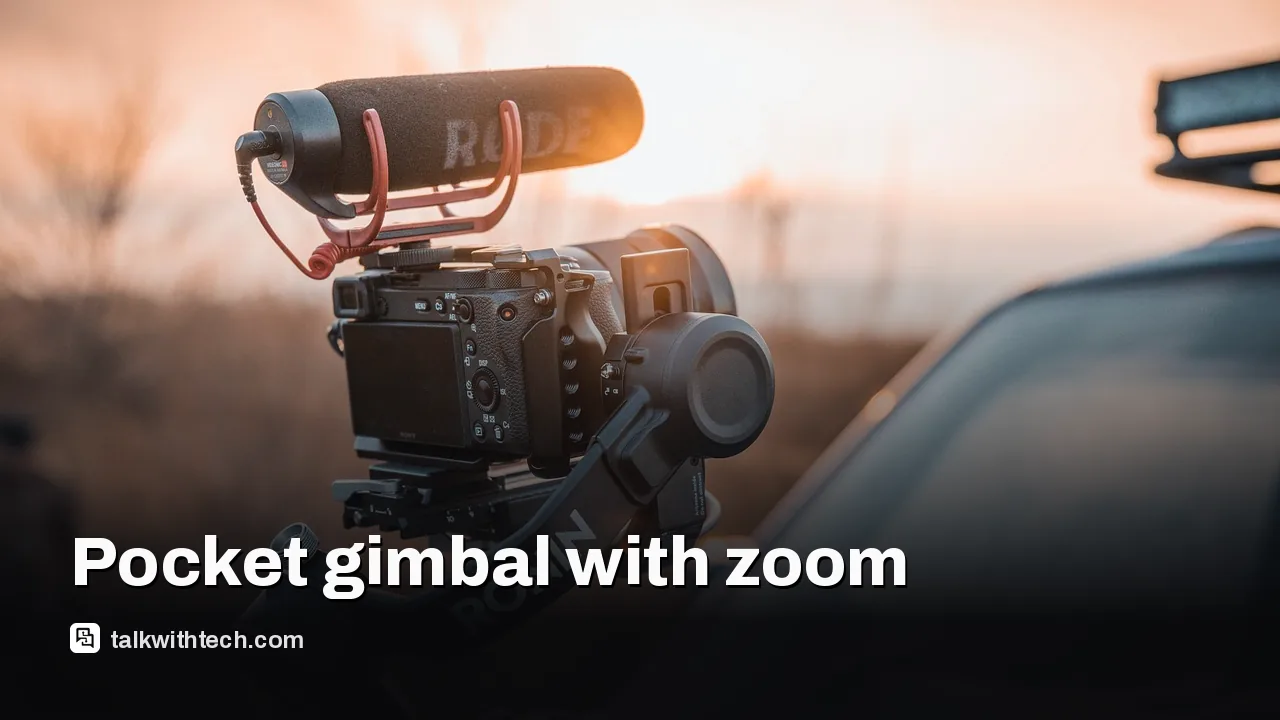
A small handheld camera with a built-in gimbal

The short version

  • Insta360's Luna Ultra and Luna Pro are pocket gimbal cameras with a Leica-designed 20mm-equivalent f/1.8 lens on a 1-inch sensor.
  • The Ultra adds a second telephoto camera; the cheaper Luna Pro has only the main camera and relies on digital zoom.
  • Reviewers praise the stabilization, image quality and detachable screen, but call the Ultra pricey and the app cluttered.
  • DJI's new Osmo Pocket 4P isn't sold in the US, which makes the Luna cameras the main new options for American buyers.
Quick read · 2 min

Insta360's Luna Ultra and Luna Pro are pocket-sized gimbal cameras that keep video steady with motors. Both use a Leica-designed 20mm-equivalent f/1.8 lens on a 1-inch sensor that records 8K, plus a 2-inch screen you can detach and use as a remote.

The Ultra, at $769.99, adds a telephoto camera for real zoom. The Luna Pro, at $599.99, keeps the main camera and uses digital zoom. Reviewers praise the sharp footage, smooth stabilization and clever screen, but say the Ultra is expensive and the app is cluttered.

  • Best value: the Luna Pro.
  • Best for zoom and portraits: the Luna Ultra.
  • Budget DJI option in the US: the older Osmo Pocket 3.

DJI's newer Osmo Pocket 4P isn't sold in the US because of the FCC's Covered List, which leaves the Luna cameras as the main new pocket gimbals American buyers can get with local support.

The best pocket gimbal camera you can buy in the US right now might not be made by DJI. Insta360’s Luna Ultra and Luna Pro have won strong reviews for smooth, detailed video, and they arrive at a moment when DJI’s newest rival is effectively missing from American stores.

If you film travel, vlogs, kids’ sports or anything on the move, this matters because a gimbal camera does what your phone struggles with: it keeps the shot steady with motors, not just software. The catch is price. The Luna Ultra costs $769.99 and the Luna Pro $599.99, so knowing what each one does well, and where it stumbles, can save you a few hundred dollars.

01

What the Insta360 Luna Ultra and Luna Pro actually are

Both are small handheld cameras that sit on a built-in 3-axis gimbal, a motorized mount that cancels out shakes as you walk or turn. You frame shots on a 2-inch OLED touchscreen. The Luna Ultra launched in June, and Insta360 added the Luna Pro in September as a lower-cost version.

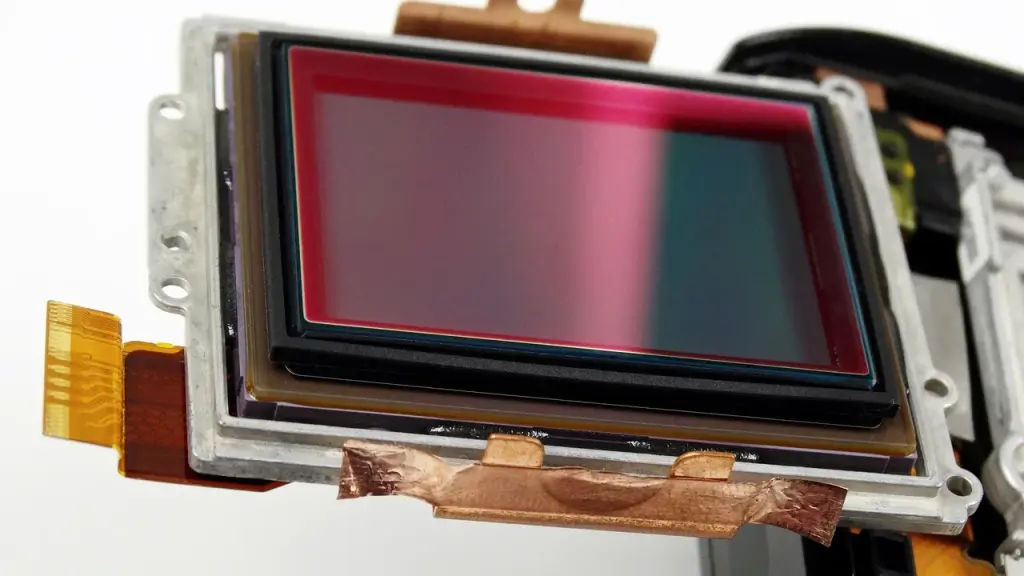
They share the same main camera: a 20mm-equivalent lens with a bright f/1.8 aperture, developed with Leica, on a 1-inch sensor that can record 8K. A 1-inch sensor is much larger than most phone sensors, which helps in dim light. Both can record 8K at 30 frames per second and 4K at 120 frames per second for slow motion, with Dolby Vision HDR support.

The difference is the second camera. The Ultra adds a telephoto camera, so it can zoom optically for closer portraits and distant subjects, with up to 12x total zoom. The Luna Pro skips it and tops out at 4x zoom through cropping and processing. It weighs 215g and is rated for up to 240 minutes of recording at 1080p.

Close-up of a camera sensor with bright lens
02

How the footage looks in this Insta360 Luna Ultra review roundup

Reviewers agree the video is the star. One reviewer called the Luna series probably the best gimbal camera available in the US and found its footage far better than Insta360’s own X6 360-degree camera in nearly every situation tested, with bright sunlight the only near tie. The narrower field of view gives sharper, clearer results.

Because the main sensor captures 8K, you can use a 2x digital zoom and still end up with clean 4K footage. Another reviewer, who used the Ultra for weeks, including filming fencing bouts in a dim basement gym, said the footage came out so detailed it barely needed editing.

Stabilization earned praise too. The gimbal moves smoothly enough to feel natural while still keeping up with fast subjects. The face tracking is very good at following heads, even under a fencing mask, though it is reluctant to lock on to other objects when a person is in the frame.

03

The detachable screen and other standout features

The feature that sets the Luna cameras apart from DJI’s Pocket line is the screen. You can pull the touchscreen and its buttons off the body and keep controlling the camera remotely. That makes it easy to prop the camera up for a talk-to-camera shot, or hand it to a friend while you set up the framing you want. There’s a little lag when controlling it from a distance, but reviewers treated that as a minor trade-off.

Turning the camera on is simple: rotate the screen sideways to power up, and turn it back upright to switch off. Physical buttons include a record button, a zoom slider and a small thumbstick for aiming the camera.

04

The downsides reviewers flagged

The Luna Ultra is not cheap, and that’s the most common complaint. One reviewer said the $770 standard bundle was hard to justify for anyone who isn’t serious about making content, and a $970 creator bundle adds a large microphone, a bigger battery handle and a lens cover.

Other weak spots came up in testing:

  • The gimbal has a limited rotation range, so it can lose a subject who moves to one side, and it buzzes loudly when it hits its limit, a noise the built-in mic can pick up.
  • Leica-style color modes are limited to 4K and below, and there’s no black-and-white option.
  • The Insta360 app mixes social content with camera controls, which makes it feel cluttered.
  • The Luna cameras are more fragile than Insta360’s rugged 360-degree cameras.
05

Luna Ultra or Luna Pro: which one should you buy?

For most people, the Luna Pro is the better value. It gives you the same main camera, the same 8K sensor, the same detachable screen and the same stabilization for noticeably less money. Pick the Ultra if you often shoot people from a distance, film portraits, or want true optical zoom instead of cropping.

06

What this means for US buyers choosing between Insta360 and DJI

Your choice is shaped by politics as much as specs. DJI has been on the FCC’s Covered List since December 2025, which blocks new DJI hardware from getting the approval it needs to be sold in the US. DJI’s newest model, the dual-camera Osmo Pocket 4P, is on sale in the UK, Europe and other markets, but not in the US. Imported units sold by third-party sellers cost more and don’t get DJI’s US warranty support.

The older Osmo Pocket 3 is still sold in the US for $439, down from $499, with a 1-inch sensor and 4K at 120 frames per second. It’s the budget pick, but it lacks the Luna’s 8K and detachable screen.

The two companies are also fighting in a US court. DJI has sued Insta360 claiming patent violations, and Insta360 denies the claims and has filed its own countersuit. If that case changes what each company can sell, prices and availability could shift.
07

Quick answers

What is the difference between the Insta360 Luna Ultra and Luna Pro?

The Ultra has a second telephoto camera for optical zoom. The Pro has only the main 1-inch camera and uses digital zoom, but costs $599.99 instead of $769.99.

Can you buy the DJI Osmo Pocket 4P in the US?

Not officially. DJI hasn’t released it in the US because of the FCC’s Covered List, so only imported units are available, without US warranty support.

Does the Luna Ultra shoot 8K?

Yes. It records 8K at 30 frames per second, and 4K at up to 120 frames per second for slow motion.

You're reading the quick version.