iPhone 18 Pro variable aperture lets you change depth on demand
The iPhone 18 Pro becomes the first iPhone to offer a truly adjustable camera opening, letting you control light and depth in ways smartphones haven’t widely offered before.
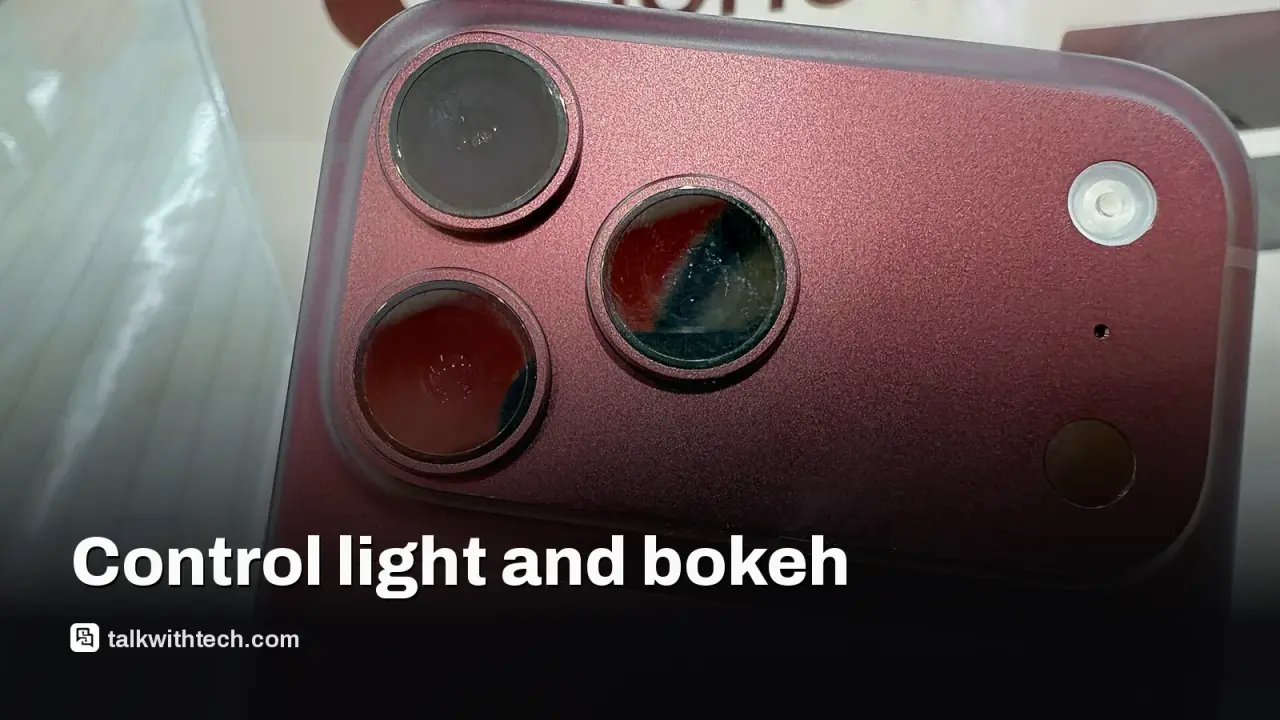
The iPhone 18 Pro is the first iPhone to feature a variable aperture on its main camera.
Aperture is the opening that controls how much light reaches the image sensor and affects depth of field and exposure.
By adjusting the aperture, the camera can let in more or less light, influencing how photos and videos look in different lighting.
Quick read · 1 min
The iPhone 18 Pro is the first iPhone to offer a variable aperture on its main camera, letting you adjust the size of the lens opening. This change affects how much light hits the sensor and can influence depth of field and exposure.
Why it matters to you: more light control means better photos in tricky lighting and the potential for a more cinematic look when shooting video. In bright light you can narrow the opening to keep details in highlights; in low light you can widen it to reduce noise and brighten the scene.
What happens next: you’ll notice the Camera app offering aperture adjustments for real-world scenes. Try it out in a dim room and outdoors to see how it changes the exposure and the background blur. If you’re new to manual settings, start with the app’s default modes and experiment as you get comfortable.
The iPhone 18 Pro marks a notable shift for iPhone photography: it’s the first iPhone to offer a variable aperture on its main camera. In plain terms, you now have an adjustable opening in the lens that controls how much light hits the image sensor. That tiny change can affect how bright a photo is and how much of the scene looks in focus, especially in tricky lighting.
Historically, smartphone cameras used fixed apertures. They tried to compensate with software, multiple lenses, and higher processing power, but the fundamental hole in the lens, the aperture, stayed the same. The iPhone 18 Pro flips that idea by giving you control over that hole. Think of aperture as the pupil of the eye: a wider opening lets in more light, while a narrower one reduces it. On a phone, this translates to better handling of bright sun, dim rooms, and creative effects like shallow depth of field.
How this works in practice is tied to a trio of camera basics: aperture, shutter speed, and ISO. When the aperture opens wider, more light hits the sensor. The camera can then use a faster shutter speed or lower ISO to maintain proper exposure, which can reduce motion blur or noise. Close the aperture, and the sensor receives less light, which may require a longer shutter time or higher ISO. The result is different when you’re shooting portraits with a soft background or a night street scene where you want more detail in the shadows.
Photographers and videographers have used variable aperture for years on dedicated cameras because it gives precise control over exposure and depth of field. Bringing that capability to a phone is what iPhone users have been watching for, and the iPhone 18 Pro delivers it on the main camera for the first time in Apple’s lineup.
For everyday users, the practical upshot is simple: you can adapt to lighting without relying on post-processing alone. In brighter conditions, you can narrow the opening to preserve detail in highlights. In darker scenes, you can open the aperture to keep scenes from looking washed out and to help reduce noise in photos and videos. Masters of mobile video can also benefit from more control over the look of their footage in varying lighting without swapping lenses or adding accessories.
As with any feature, the real test will be how intuitive the controls are in the Camera app and whether the phone suggests sensible defaults when you’re not sure what to choose. Early impressions suggest this is a meaningful step toward more creative autonomy on a pocketable device.
A pocket-sized pair with active noise cancellation and long battery life that costs around $43, plus a Find My friendly case, but mic performance isn’t top tier.
Samsung's Android 17 update is spreading from its newest foldables down to the Galaxy S23 and budget A-series phones, but timing still depends on where you live.
4 min read
We use cookies to understand how readers use Talk With Tech, so we can make it better. Is that OK? Privacy policy
The Daily Brief
Today's biggest tech stories, in 5 minutes
Every morning, the news that matters from AI, phones, apps and the people shaping tech. Explained in plain English. Free.
One email a day. No spam, unsubscribe anytime. Privacy policy