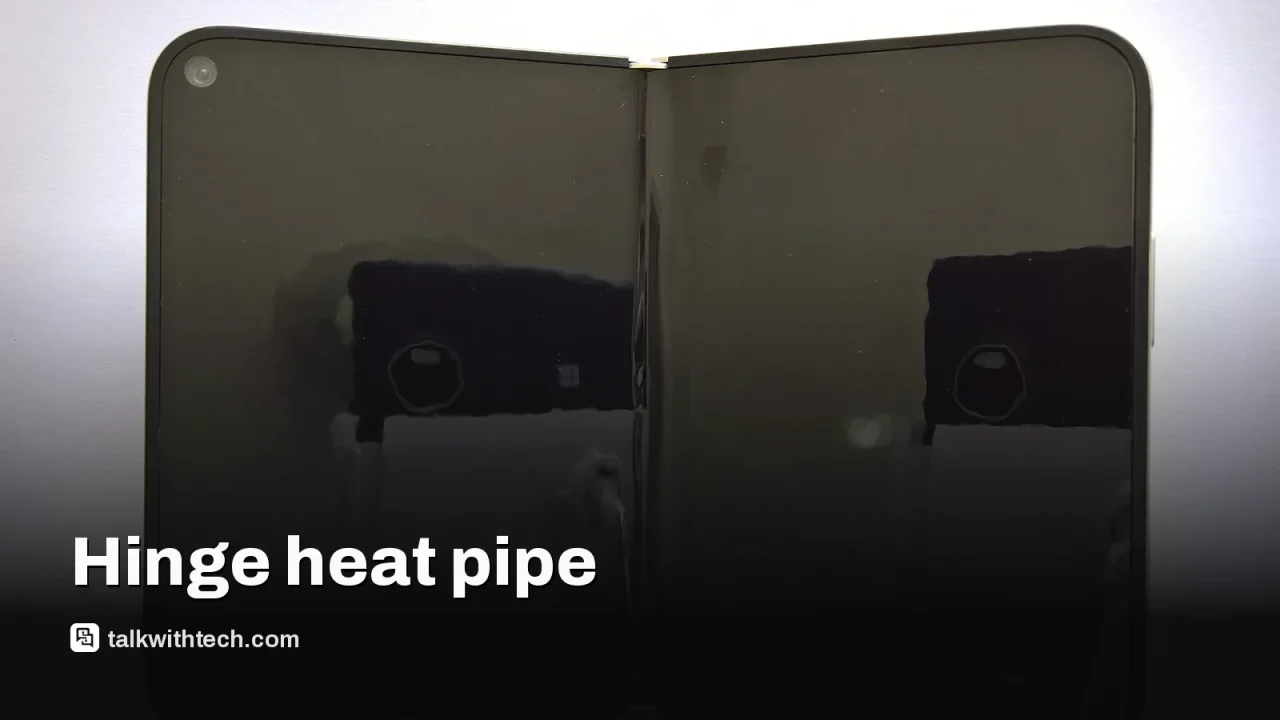
Apple’s A20 Pro chip powers the iPhone Duo and iPhone 18 Pro family, creating new cooling needs.
Engineers route a bendable graphite pipe through the hinge to move heat between halves of the phone.
Memory sits next to the processor to enable a direct path to a larger vapor chamber for cooling.
The setup aims to keep heavy tasks like gaming and AI features from making the device uncomfortably warm.
Quick read · 1 min
Apple’s foldable iPhone Duo uses an A20 Pro chip and a hinge-based cooling system to keep heat in check. The main trick is a bendable graphite pipe in the hinge that moves heat from one half of the phone to the other, plus memory placed next to the processor to feed a bigger vapor chamber. The goal is steady performance for gaming, video work and AI tasks without the device turning into a hand warmer.
What this means for you: expect smoother gaming and video work on the Duo, with heat managed more effectively than in earlier designs. When the Duo ships, reviewers will assess how well this holds up in real-life use.
Foldable heat management is now a design feature, not an afterthought.
Dual displays push higher demands on cooling and power.
The hinge is a core part of performance for everyday tasks.
The iPhone Duo, Apple’s first foldable, runs on the A20 Pro chip, a setup Apple says is built for demanding tasks. To prevent overheating, Apple built a cooling system that uses the phone’s hinge as an active heat path.
A standout feature is a bendable graphite pipe threaded through the hinge. It shifts heat from one half of the phone to the other, increasing the surface area available to shed heat when the display and cameras are in use. Apple says the pipe is designed to survive countless folds over the device’s life while maintaining effective cooling.
Another change in the A20 Pro layout is where memory sits. By placing memory next to the processor, Apple creates a more direct heat path to a larger vapor chamber, along with copper and graphite layers behind the display to spread heat more evenly across the device.
What does this mean for you? In practice, the Duo should handle gaming, video recording, and heavy apps without the device getting uncomfortably warm. Whether it performs as advertised remains to be seen once real-world reviews begin, but the hinge-based cooling choice shows Apple treating foldables as a new thermal design challenge.
01
Which phones get the update first
The A20 Pro powers the iPhone Duo alongside the iPhone 18 Pro lineup. The emphasis on heat management is tailored to these models, so buyers should expect solid thermals on the Duo and the 18 Pro family.
02
How the cooling system actually works
The bendable graphite pipe is the key component. It transfers heat between the two halves of the foldable as the device opens and closes, extending the surface area available for cooling. This feature required close collaboration between the thermal and mechanical engineering teams to ensure durability through many hinge cycles.
03
What this means for everyday use
For people planning to game, record, or run intensive apps on the Duo, the hinge-based cooling approach is meant to keep performance steady rather than letting the device throttle due to heat. Foldables bring new constraints, and the hinge now plays a central role in maintaining usable performance during demanding tasks.
04
What happens next
The Duo is a high-profile launch. Real-world testing will determine how well the cooling works in everyday use. If reviewers find the system effective, you may see smoother long sessions on the two displays and more consistent performance across demanding apps once the device arrives in stores.
A bendable graphite pipe runs through the hinge to move heat between halves of the phone, expanding the area available to dump heat.
Does this affect battery life or thickness?
The cooling solution is part of the overall thermal design and is not described as a battery saver. The Duo’s form factor adds thickness when closed as part of its foldable design.