Nursing homes voting misinformation cites CMS rules to push claims
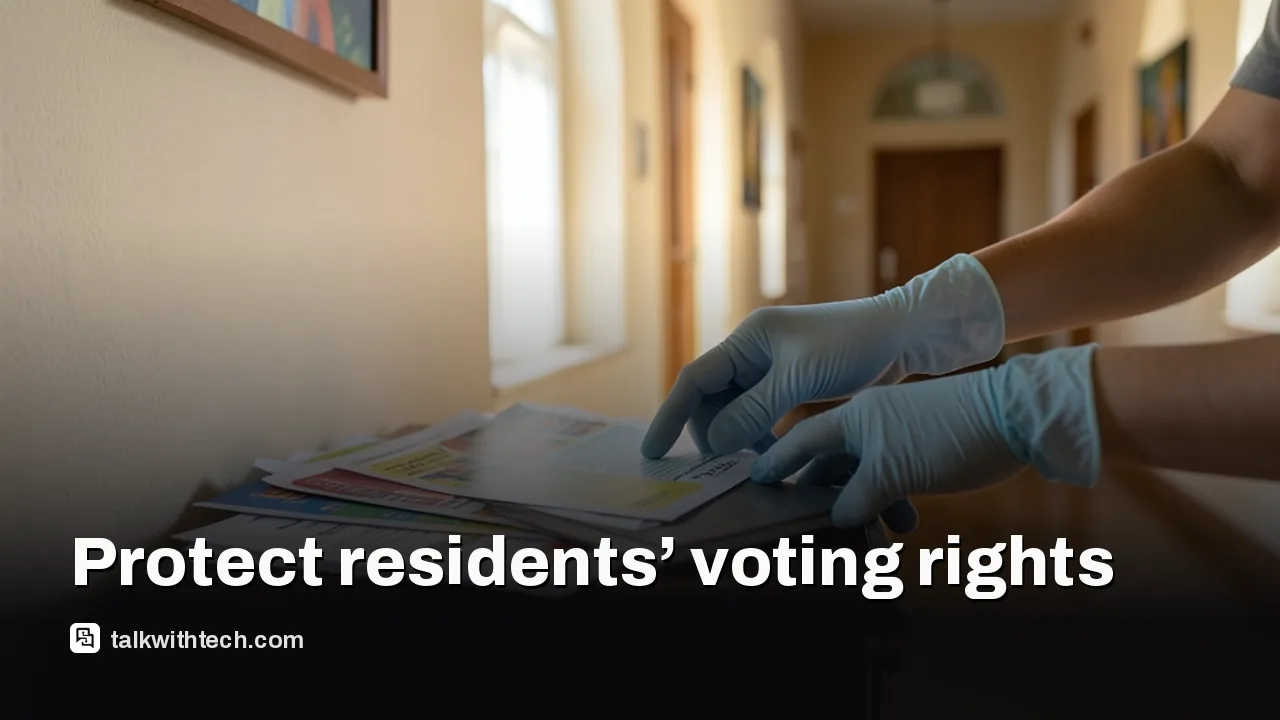
Election-denial groups push unverified claims of voting fraud in nursing facilities as the midterms approach, urging supporters to contact facilities and share the message.
Election-denial networks are directing attention to nursing homes and care facilities with unfounded claims of voting fraud.
Campaigns provide toolkits, social posts, and instructions to contact facilities and spread the narrative.
CMS guidelines about how staff may assist residents with voting are cited by supporters of the campaigns.
Advocates warn that these efforts threaten residents’ rights and trust in elections.
Quick read · 1 min
As the midterm season approaches, misinformation targets nursing homes and other care facilities. Campaigns push unfounded claims of voting fraud and provide toolkits to spread the message, urging supporters to contact facilities.
Why it matters: it risks eroding trust in elections and could affect how residents receive voting help. What to do: rely on official election guidance for voting assistance, and verify information before sharing online.
Watch for more campaigns around nursing homes as elections near
Rely on official election guidance for how to help residents vote
Be careful about sharing unverified claims online
As the midterm season tightens, a new front in misinformation has emerged: nursing homes and other care facilities. A coalition led by the Election Integrity Network is circulating claims that left‑leaning groups are stealing votes from residents. The push encourages supporters to reach out to facilities in several states and to push the narrative across social networks.
On a recent appearance, the group’s founder framed the campaign by saying, “These left-wing groups go into the nursing homes, and they go into the group homes, and they basically steal the votes of these most vulnerable.” The assertion lacks verified evidence and mirrors a broader slate of election‑related misinformation in the run‑up to the vote. Critics say the approach weaponizes public concerns about voting and could depress legitimate participation by residents and their families.
Context matters here. CMS, which oversees federal rules for nursing homes, issued a memo earlier this year that revised guidance around how staff can assist residents with voting. The memo warned against coercion or any actions that would infringe on residents’ rights and flagged possible penalties. Some lawmakers criticized the memo, arguing it could hamper residents’ access to voting help. CMS did not respond to requests for comment for this piece.
A second group, Project Civica, has launched a campaign called “Adopt a Care Facility,” echoing the same concerns about voting irregularities in facilities and saying it is gathering data to question results in several districts. A representative for the group stressed that they do not assume wrongdoing by facilities simply because residents receive voting assistance, but the campaign’s messaging centers on exposing potential problems.
CLETA MITCHELL: There are 2 things we need to do RIGHT NOW to protect the November elections:
1. Secretary of Commerce Howard Lutnick MUST use his existing authority to oversee electronic voting systems.
For everyday readers, this story is about how misinformation travels and why it matters for elections. The central risk is not just false claims about nursing homes; it’s the erosion of trust. If residents, families, and staff start doubting the integrity of the process, turnout could shrink and confidence in results could weaken, even if the claims are not backed by evidence.
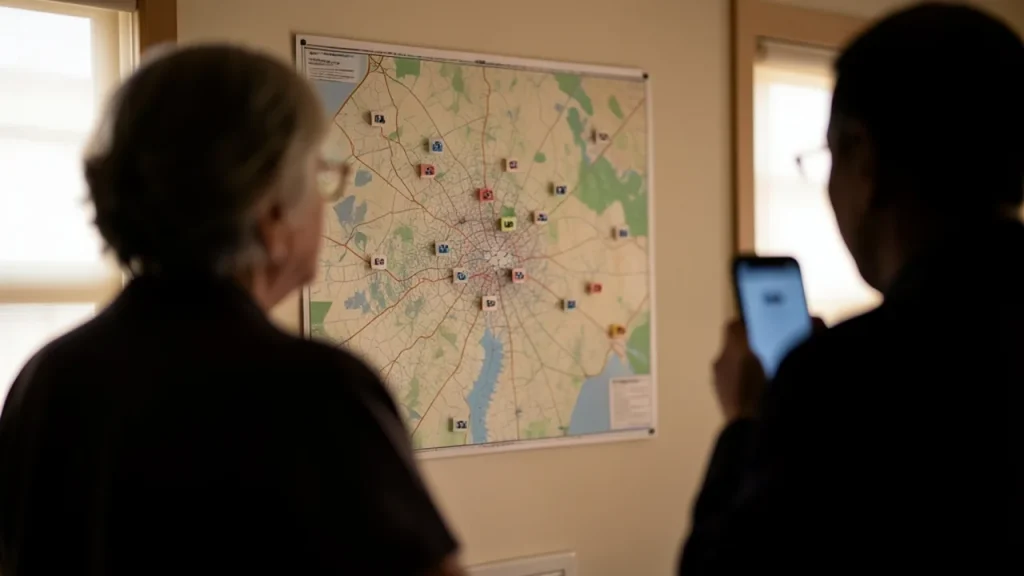
Another angle: these campaigns use digital tools to spread their message quickly. Toolkits with ready‑made posts, maps of facilities in tight races, and shareable visuals help the message spread fast. That speed makes it hard to push back with accurate information in real time.
02
States involved and what’s being claimed
The campaigns reference facilities in several competitive districts and encourage people to contact those facilities, ask about how voting help works, and share their concerns online. The consistent thread is the allegation that residents’ votes are at risk of being manipulated. There is no verified evidence linking nursing homes to ballot tampering in the reporting on this topic.
03
Privacy and safety implications
Privacy is a factor here because these efforts map facility locations and residents to political messaging. Public data can be used in new ways to push misinformation, raising questions about consent and how facilities handle staff involvement in voting rights. It’s not just about legality; it’s about everyday fairness and respect for residents’ independence.
04
What you can do now
If you or someone you care for lives in a facility, rely on official election information from state or local election offices for voting help rules. If a campaign asks you to contact a facility, verify the information first and consider whether the message is designed to spread doubt rather than inform. Facility managers and oversight bodies should reinforce clear policies that protect residents’ rights and ensure staff understand the boundaries around voting assistance.
What’s happening with nursing homes and elections?
Election-denial groups are pushing unfounded claims about fraud in nursing homes and urging supporters to contact facilities, but verifiable evidence of widespread tampering is not presented in current reporting.
Why does CMS guidance matter here?
The CMS memo cautions staff against coercion or improper influence over voting. Supporters say it protects residents; critics worry it could limit legitimate assistance for some residents.
06
What happens next
With the midterms near, expect more of these campaigns to surface. Monitor statements from state election offices and trusted watchdogs for what is actually happening in facilities.
07
Sources
The piece references public statements from campaign organizers and notes CMS guidance and letters from lawmakers, with quotes drawn from campaign materials and group communications.
Microsoft president says AI should face the same kind of safety oversight as milk and washing machines, with incident reporting and independent evaluators before launch.
4 min read
We use cookies to understand how readers use Talk With Tech, so we can make it better. Is that OK? Privacy policy
The Daily Brief
Today's biggest tech stories, in 5 minutes
Every morning, the news that matters from AI, phones, apps and the people shaping tech. Explained in plain English. Free.
One email a day. No spam, unsubscribe anytime. Privacy policy