A Saudi national who worked for OpenAI is accused of secretly recording in a conference room.
The man allegedly asked an AI tool for steps to place and operate a covert recording device.
OpenAI says there are no indications of accessing or stealing model weights, source code, or customer data.
A detention hearing is planned for Oct 19 to decide if he should remain in custody.
Quick read · 1 min
A Saudi engineer who worked for OpenAI is accused of secretly recording in a conference room by placing a hidden device behind a TV. The FBI arrested Abdulrahman Alfozan, 35, on Oct. 9. He allegedly asked an AI tool for steps about setting up a recording device and how to access it remotely. OpenAI says there’s no evidence that customer data or internal models were stolen. A detention hearing is scheduled for Oct. 19 to decide custody.
The incident highlights how security at AI labs blends physical and digital protections. Companies may tighten access controls or change how sensitive meetings are handled.
What happens next? The case will move through the courts, and the investigation could prompt additional security measures at tech labs.
A Saudi engineer who worked for OpenAI is facing federal charges after investigators say he hid a tiny audio recorder behind a TV in a conference room used for highly confidential talks. The FBI arrested Abdulrahman Alfozan, 35, on Oct. 9, and he’s accused of using or attempting to use a device to intercept oral communications.
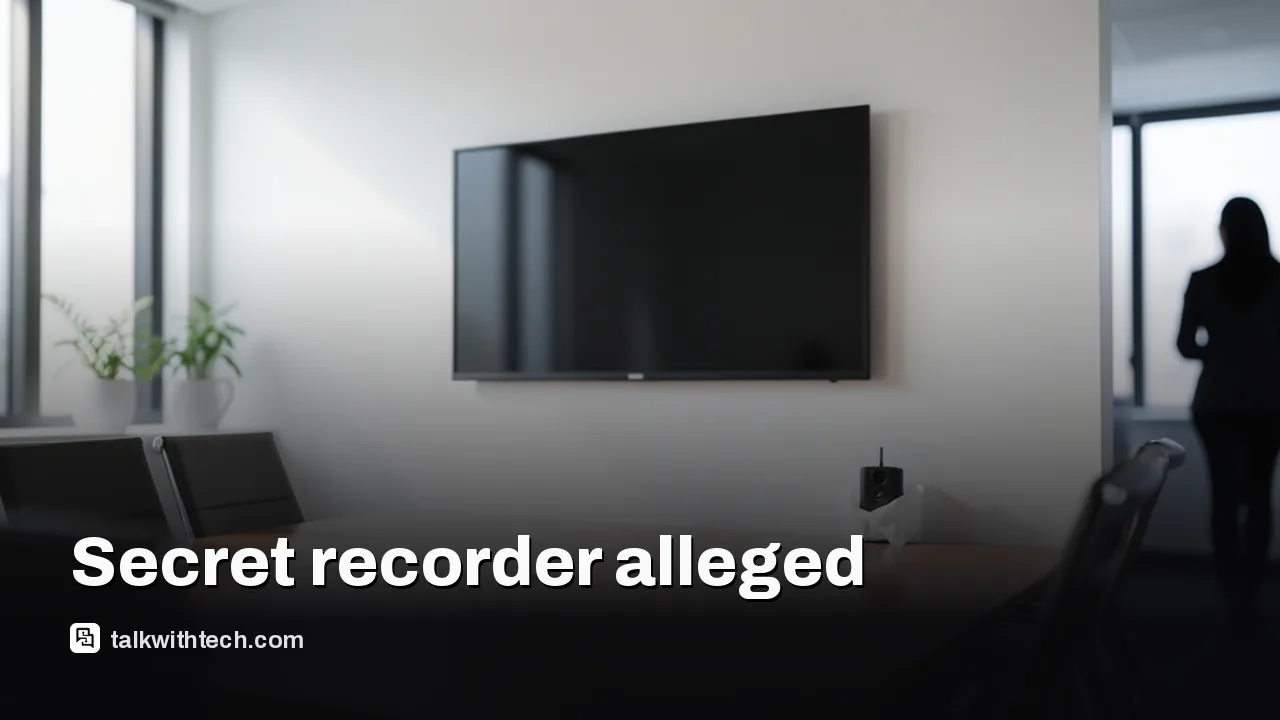
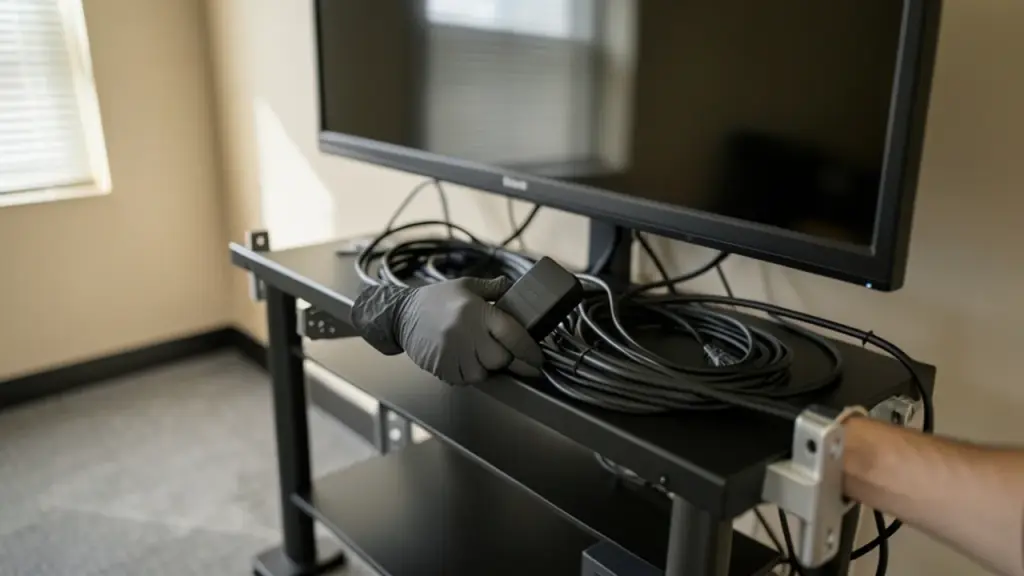
The case includes a striking detail: the recorder was wrapped in toilet paper and placed behind a television in a room where executives and researchers discuss sensitive government and commercial matters. Surveillance footage shows Alfozan near the conference room on eight separate occasions in September, including times when the TV area with the device was nearby.
According to an official complaint, Alfozan also asked an AI assistant for steps about setting up and operating a recording device, and for ideas on how to access it remotely. He had worked at OpenAI since around July 2025.
OpenAI confirmed the incident and said the company used its own AI models to understand the device and its origins. The company stresses that there are no indications the individual improperly accessed or exfiltrated model weights, source code, or customer data.
The FBI’s investigation is ongoing, and Alfozan’s attorney said he intends to defend himself while maintaining his client’s presumed innocence.
In a federal court appearance Tuesday, prosecutors outlined the charges and the potential penalties. If convicted on the charges, Alfozan could face up to five years in prison and a $250,000 fine.
A detention hearing is scheduled for Oct. 19 to decide whether he should remain in custody as the case moves forward.
We discovered a sophisticated recording device that was hidden inside one of our offices. We used our models to understand the device and where it had come from, identifying that a specific employee had planted it a few days earlier. We referred the matter to the FBI, and we’re…
Incidents like this illuminate the high-stakes nature of security in AI research labs. When meetings involve strategic discussions, sensitive data, or government relationships, access controls and physical security become as important as digital protections. OpenAI says there’s no evidence that customer data or internal models were compromised, but the episode underscores why many tech companies continuously review how meeting spaces are secured and monitored.
02
What exactly is being charged?
The charges revolve around using or attempting to use a device to intercept oral communications. In plain terms, that means the suspect is accused of trying to secretly listen in on conversations that should have been private.
03
How could this affect the people involved?
Beyond the legal process, this kind of incident can shake the trust of partners, researchers, and employees. If confidential discussions can be spied on, organizations may tighten access rules, change how sensitive meetings are handled, or relocate certain discussions to more secure spaces.
04
What happens next
The detention hearing on Oct. 19 will determine whether Alfozan stays in custody while the case proceeds. The broader investigation, including any further disclosures about who else was involved, could influence any future security changes at the firm and similar labs.
Ukrainian officials allege Elon Musk’s Starlink has begun limiting connections for drones traveling above a certain speed, disrupting military operations without warning.
OpenAI’s CFO says firms using low-cost Chinese AI models may face bigger cyber threats, citing breaches in Australian government agencies and a Chinese open model review.