If you shop in the UK, US or Canada, there’s no sign of any risk to food on your local shelves right now. The stores hit in Europe spotted rising temperatures and pulled stock, and that’s the system working. The real cost so far is waste and empty shelves, not unsafe food being sold.
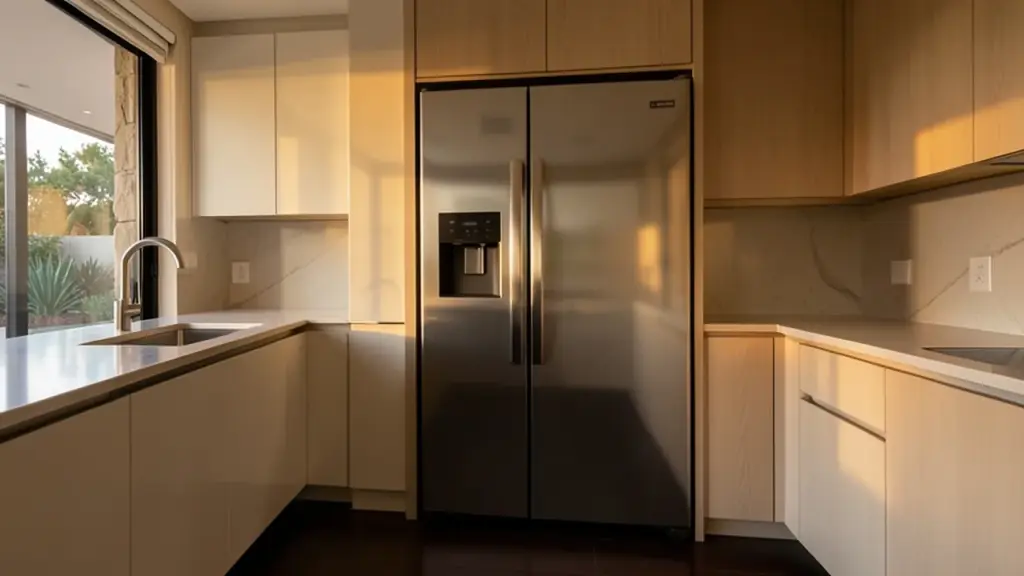
Your own fridge is a different question. The supermarket gear involved is commercial kit, not a home appliance. But the NCSC’s chief technology officer, Ollie Whitehouse, says everyday connected devices in the home can be vulnerable in certain situations, and that makers need to build safer products. He also says buyers may need to accept paying a bit more for that.
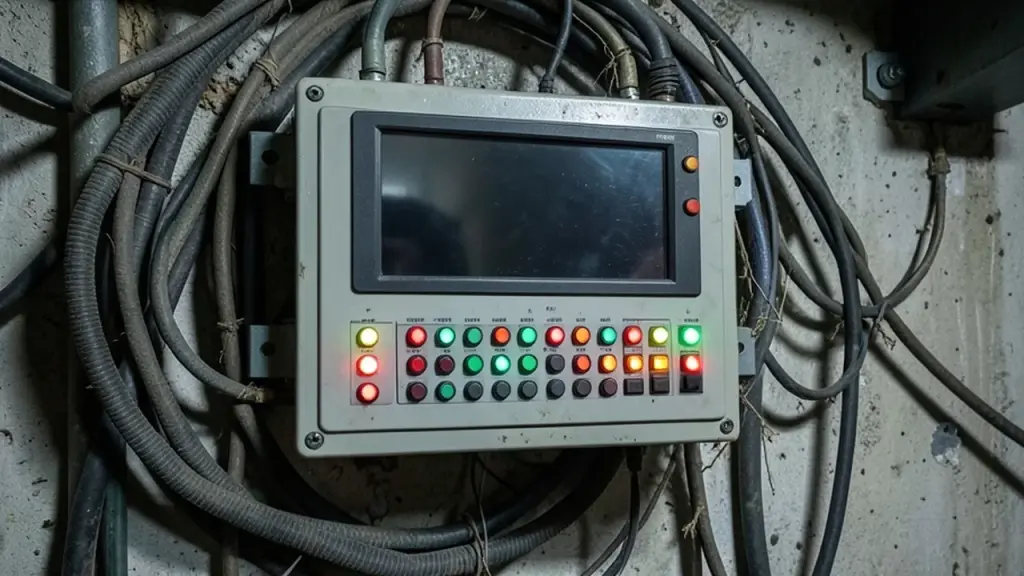
The weak point in the supermarket attacks was old, internet-facing equipment still using its factory password, and the NCSC’s own home guidance targets exactly those gaps. It names fridges, kettles and thermostats alongside speakers and cameras as smart devices that need a little setup. Its advice for a connected fridge or any other smart gadget at home:
- Replace any default password. If the device shipped with one, swap it for your own when you set it up. A guessable password lets a criminal log in and use the device to reach the rest of your network.
- Turn on 2-step verification if the app or device offers it, so a stolen password isn’t enough on its own.
- Switch off remote access if you never need to control the appliance while you’re away from your home Wi-Fi.
- Keep updates flowing. Turn on automatic updates where they exist, and install manual ones when you’re prompted.
- Check the support end date. The NCSC suggests treating it like a use-by date, and advises against buying devices whose support has ended or is about to.
UK buyers have some extra protection. Since April 2024, UK law has required new smart devices to meet basic security rules, including stating how long they’ll get support and not shipping with shared default passwords. If you think someone has taken control of a device at home, the NCSC says to reset it following the maker’s instructions.