AI math proofs: 722 papers but many missing derivations
Mathematicians worry about verification and collaboration as OpenAI releases hundreds of AI-generated results, sparking questions about cryptography and progress.
OpenAI released 722 AI-generated manuscripts and proofs, with about 300 formalized results.
Many findings come without clear derivations, making verification and reuse difficult.
Mathematicians fear rapid AI-driven releases could hinder collaboration and genuine progress.
Concerns extend to cryptography and digital security since math underpins encryption and software systems.
Quick read · 1 min
OpenAI released 722 AI-generated mathematical manuscripts and proofs, with about 300 formalized results. The methods behind these solutions aren’t clear, which makes verification hard.
The surge of results could speed up some discoveries, but many fear it could slow collaboration and blur the line between human and machine work. There are also concerns about cryptography since math underpins encryption and secure computing.
What happens next varies: expect more disclosures about how results are produced and for clearer proofs. For readers, this means watching how AI-assisted math affects security standards and how software gets checked for correctness in the years ahead.
Transparency on AI prompts and models may rise
Cryptography and security practices could shift
Public verification and collaboration remain essential
OpenAI circulated a flood of AI-generated mathematical results last week, including 722 manuscripts and proofs. The company says these tackle long-standing formulas that have vexed researchers for decades, but the sheer volume and the lack of transparent reasoning behind the solutions have mathematicians worried about what comes next.
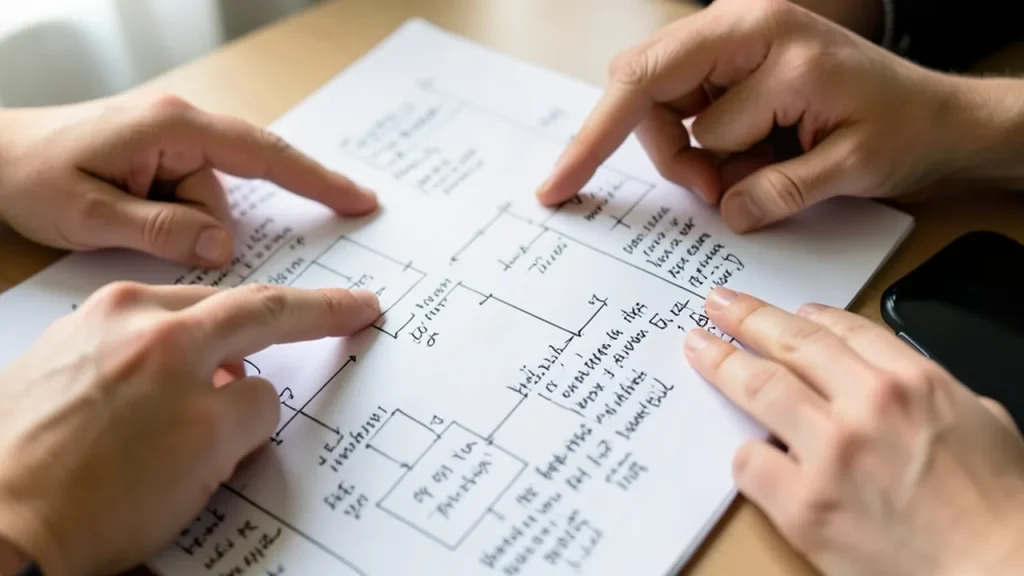
About 300 of the results have been formalized, yet a large portion remains without fully explained steps that peers can confirm or reproduce. The absence of a clear trail showing how the AI arrived at these conclusions has sparked questions about whether the work can be trusted or built upon.
OpenAI has not named the model used to generate the results, nor the prompts that produced them, despite calls from the math community for more disclosure. The company did publish repository changelogs, but several results have already been retracted or corrected, underscoring the challenges of vetting AI-made mathematics at this scale.
Many mathematicians see potential upside in AI-assisted exploration, but there’s a strong worry that fast releases of opaque results could erode the collaborative, transparent culture that drives mathematical progress. Early-career researchers, in particular, fear their ongoing projects could be upended if AI-generated findings overshadow human work.
Why the math community is uneasy about AI-driven proofs
The core concern is trust. If a proof comes with little or no derivation, researchers struggle to verify, reproduce, or extend it. That breaks the typical math workflow, which relies on open discussion, shared notebooks and peer review to move ideas forward.
There’s also worry about the pace. If AI finds results faster than humans can verify, some fear talent and curiosity in the field could dry up as researchers feel their own work might be dismissed or invalidated too quickly.
02
Security and cryptography could feel the ripple effects
Modern encryption rests on deep mathematical ideas. If AI accelerates breakthroughs in number theory or cryptographic primitives, the security community will have to reassess current standards. While some experts caution that it’s too soon to predict concrete security gaps from this release, the potential implications for protecting data and digital assets are on people’s minds.
03
What this means for ordinary readers
This isn’t about a new gadget or app. It’s a reminder that AI is speeding up breakthroughs in fields that underpin everyday tech, including software verification and online security. The debate now is how much of the AI’s reasoning should be shared publicly and how soon we should trust results that aren’t fully explained.
04
What happens next and what you can do
Expect calls for greater transparency around how AI-generated results are produced, and for more work to validate and reproduce the findings before they’re treated as established facts. For people interested in tech, keep an eye on updates about cryptography standards and software verification, which may shift as AI-assisted math evolves.
A new biotech approach claims to boost copper recovery in mining by using custom-designed compounds in the flotation process, backed by a $6.4 million seed round.