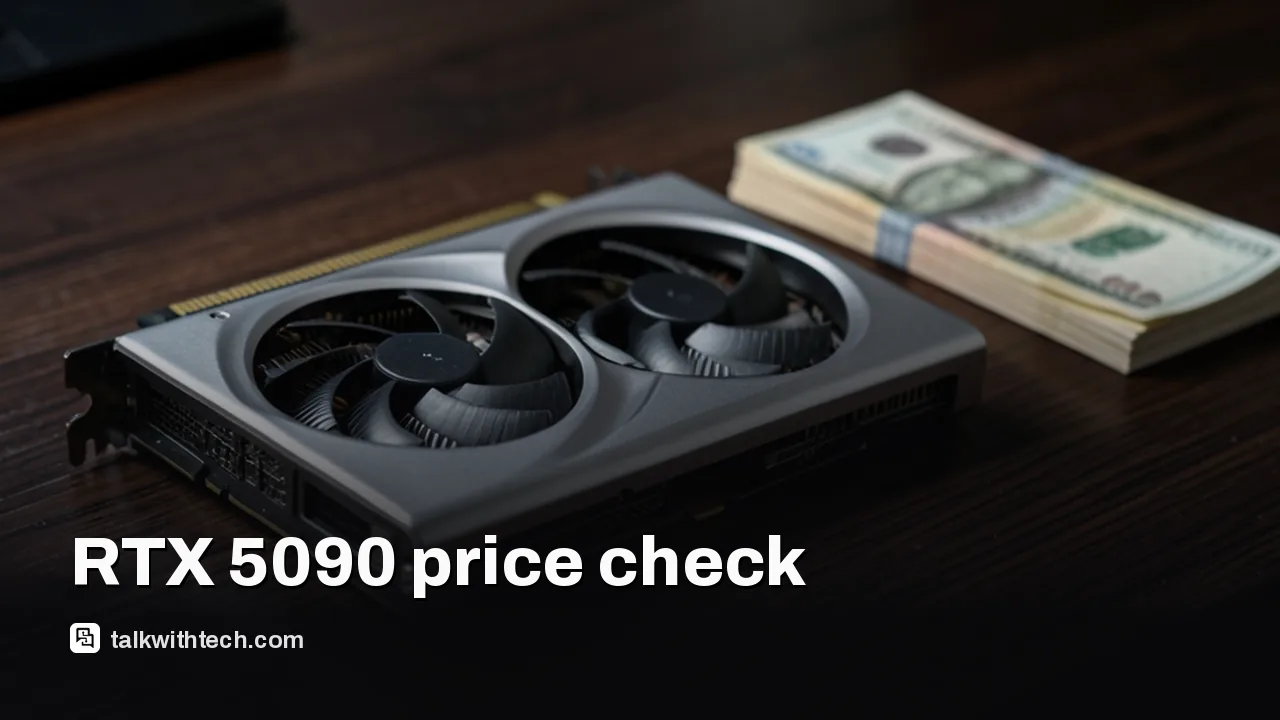
The short answer is that the chip inside it is worth far more to Nvidia in a different product. The RTX 5090 uses a GB202 die with 170 processing blocks switched on, giving it 21,760 CUDA cores. The new RTX PRO 5500 workstation card uses exactly that same configuration, paired with 84GB of memory instead of the gaming card’s 32GB.
One US reseller listed the RTX PRO 5500 at $17,999. A Reuters report said ByteDance, Alibaba and Tencent had ordered more than three million of them at about $11,400 each. When the same piece of silicon can sell for several times more in a pro card, there is little business reason to send it into a $1,999 gaming board.
Nvidia denies that it has killed the gaming card. Speaking in Taipei on October 16, senior vice president Jeff Fisher said the RTX 5090 has definitely not been discontinued, while admitting supply is tight. The company has not said how it splits GB202 output between its products.
Other pressures pile on top. Graphics cards across the market averaged 44% above their official prices in a 10-country survey, and prices rose 11% in October alone. Expensive memory and hunger for AI computing power are the most cited reasons, though no single cause has been confirmed. The 5090’s large 32GB of fast memory also makes it attractive to people building AI machines, not just gamers.