Friday, 13 November 2026

What is ChatGPT Wallet? AI checkout for $100 Pro users, US only

OpenAI's new Wallet lets its dot agents pay at checkout using a stand-in card number, but every order still needs your face or fingerprint first.

Person confirming an online purchase on a smartphone at home with a card on the table

The short version

  • ChatGPT Wallet lets OpenAI's dot agents complete purchases for you using a payment token instead of your real card number.
  • At launch it is limited to some US ChatGPT Pro subscribers aged 18 and up with eligible US-issued cards.
  • Every purchase needs your review plus a Face ID or fingerprint check, and you keep card rewards and dispute protections.
  • Many sites, including Amazon, block AI agents, and fraud systems can decline orders placed from ChatGPT's cloud browser.
Quick read · 2 min

OpenAI has launched ChatGPT Wallet, which lets its dot agents pay for things on your behalf. You store a Visa, Mastercard or American Express card once, the dot suggests products and fills the cart, and you approve the final order with Face ID or a fingerprint. The store is paid with a stand-in token, so neither the agent nor the shop sees your real card number.

Right now it's narrow: some US ChatGPT Pro subscribers ($100 a month), aged 18 and up, with US-issued cards. People in the UK and Canada can't add their cards yet.

  • You keep card rewards and dispute protections.
  • Amazon and other sites block AI agents, and fraud filters can cancel orders.
  • Always wait for the store's own confirmation, since approval alone doesn't mean an order went through.

OpenAI plans spending caps and pre-approved purchases later, but today every order still needs your sign-off.

ChatGPT Wallet is a new payment feature that lets OpenAI’s dots, its always-on AI agents, finish a purchase for you without ever handling your real card number. OpenAI switched it on Friday, November 13, for a limited group of ChatGPT Pro subscribers in the US, and every single order still needs your face or fingerprint before any money moves.

That last detail is the whole pitch. Huge numbers of people already ask ChatGPT what to buy (OpenAI says 1.2 billion people use it each week). Wallet is the jump from “here’s what you should get” to “done, it’s ordered.” Whether that jump is worth trusting comes down to three things: how the money side works, who can actually use it today, and how often shops will simply refuse to sell to a bot.

01

What is ChatGPT Wallet, in plain terms?

ChatGPT Wallet is a spot inside ChatGPT where you save a payment card one time, so your dot can pay at checkout for you. OpenAI built it with Visa, Mastercard and American Express, the three card networks that issue the stand-in numbers it relies on.

A dot is OpenAI’s personal AI agent. The company introduced dots on September 29 as helpers that run around the clock on their own cloud computer with their own web browser, powered by its GPT-6 Astra model. They can plug into more than 4,000 apps. Until now a dot could research products and fill a cart. Wallet is what lets it pay.

OpenAI describes this as the first wallet that keeps your actual card details away from the agent while also demanding a security check on each purchase. That is the company’s own claim, and the design choices behind it are worth understanding before you hand over a card.

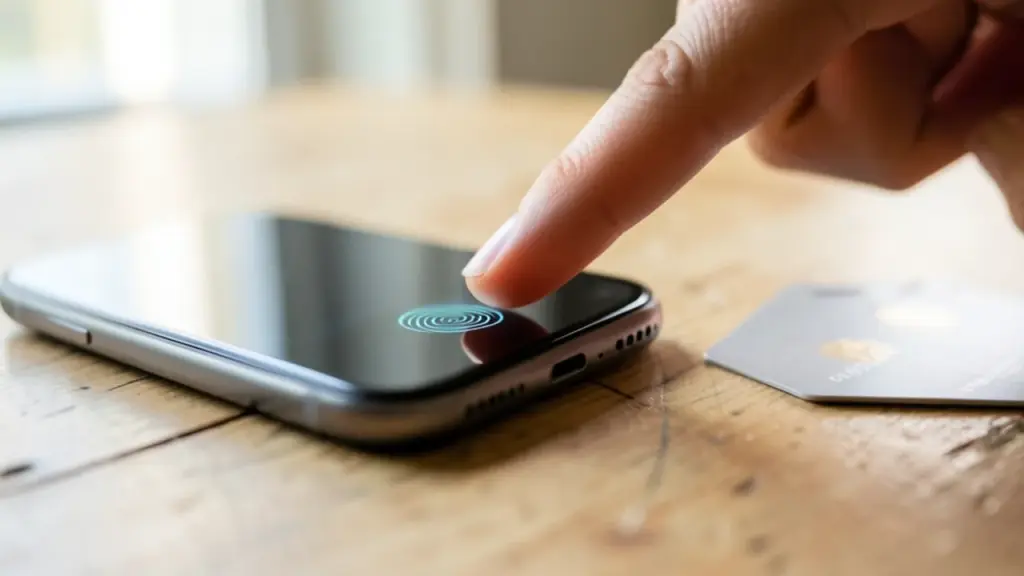
Fingertip approaching a phone fingerprint sensor beside a payment card
02

How a ChatGPT Wallet purchase works, step by step

Every order follows the same supervised path, with you approving the final step yourself. Based on OpenAI’s description, it goes like this:

  1. Add a card once. Ask your dot to set up Wallet, or open the Wallet section in ChatGPT settings. Only eligible cards issued in the US are accepted.
  2. Tell your dot what you’re after. It suggests products using what ChatGPT remembers about you, then adds your pick to the cart once you give the go-ahead.
  3. Read the summary. Before checkout, you see which card will be charged, the final price and the list of items.
  4. Approve it with your body. A Face ID scan or a fingerprint confirms the order, and that approval is saved as a record of exactly what you allowed.
  5. A token pays the store. The card network then issues a stand-in card with its own number, security code and expiry date, and that is what the merchant charges.
  6. Wait for the shop’s confirmation. OpenAI cautions that approving a purchase doesn’t mean the order was placed, so look for the merchant’s own confirmation.

The store still gets what it needs to ship, such as your delivery address and contact details, which the dot passes along. You are buying straight from that business, so it keeps control of the price, shipping, returns and customer service.

03

Who can use ChatGPT Wallet right now?

Very few people, on purpose. At launch, ChatGPT Wallet needs all of these:

  • A ChatGPT Pro plan, which costs $100 a month
  • An age of 18 or older
  • A Visa, Mastercard or American Express card issued by a US bank
  • A dot, since Wallet works through OpenAI’s agents

Even inside that group, availability is limited. OpenAI says it is starting small so it can learn from real-world use and work with banks, businesses and card networks on reliability. Plus and free users are not included.

For readers in the UK and Canada, the short version: the feature requires a US-issued card, so cards from British or Canadian banks can’t be added at launch.

Delivery boxes stacked on a front doorstep in afternoon light
04

Is ChatGPT Wallet safe? What the token protects

The core safety idea is tokenization, which means swapping your real card number for a substitute that only works as a stand-in. Neither the dot nor the shop sees your actual card number, OpenAI says. The merchant also isn’t allowed to save or reuse that token for a separate purchase, because your consent covers only the one order you approved.

A few more things stay on your side:

  • Your card’s existing rewards, such as points or cash back, still apply.
  • Its protections for eligible disputes still work, for example when an item arrives defective.
  • Your bank and the card network keep checking each transaction as they normally would.

Dots also carry their own guardrails. OpenAI says a monitoring system watches for harmful behavior or malicious instructions and can pause or stop a dot’s work if it spots a problem.

What the token can’t do is make choices for you. It shields your card number, not your shopping decisions. If your dot picks the wrong size or a pricier listing and you approve it, that is a purchase you signed off on, and the biometric record shows it.

05

Why many shops will turn your dot away

The biggest limit is access, not payment. Lots of websites block AI agents, and Wallet can’t buy from a site that won’t let the dot in. Amazon, the largest retailer doing this, stops agents from buying on its store and steers shoppers toward its own Alexa assistant. United Airlines said this week it will block agents from booking flights. Walmart takes the opposite approach, letting agents shop through agent profiles that carry their own spending limits.

Even willing stores can stumble. Fraud tools tuned to catch bots may flag ChatGPT’s cloud browser and decline or cancel a genuine order. To fix that, OpenAI is working with fraud specialists Signifyd, Sardine, Riskified and Forter, plus payment processors Stripe, Adyen and Checkout.com. It also published a Commerce Partner Playbook that tells businesses how to let verified agents past their firewalls, upload product feeds and set up a business profile in ChatGPT.

History suggests patience. OpenAI tried checkout inside ChatGPT before, with an Instant Checkout feature in autumn 2025, and backed away from it quickly, according to reports. Visa’s own trial this month is a reality check too: it put 22 AI models to work as shoppers, and 42.8% of their attempts went wrong.

06

What ChatGPT Wallet means for your money and your time

If you don’t pay for Pro in the US, nothing changes yet. If you do, Wallet mostly saves you from typing card details on every site, while keeping you in the loop for each order. The checks that matter are the ones OpenAI already builds in: look hard at the card and total on the summary screen, and don’t treat your Face ID approval as proof the order exists until the store confirms it.

Agent shopping is still a small habit. DoorDash and Uber have reported low order numbers from AI agents, while Meta’s Muse, which has passed 10 million users, says shopping help has become one of its top uses. OpenAI is betting ChatGPT can follow Muse rather than the delivery apps, and it isn’t taking a cut of purchases for now, according to reports.

Further out, OpenAI wants dots to buy with less hand-holding. It plans to let people set spending caps, limit buying to certain categories or time windows, and pre-approve purchases the agent can then complete on its own. None of that is live yet. Today, every Wallet purchase still stops for your review and a biometric check.

07

Quick answers

Does ChatGPT Wallet cost extra?

Wallet comes with ChatGPT Pro, which costs $100 a month. OpenAI isn’t taking a cut of purchases for now, according to reports.

Is ChatGPT Wallet available in the UK or Canada?

Not at launch. It is limited to US Pro subscribers aged 18 and up, using eligible cards from US banks.

Can my dot buy things without asking me?

No. Each order needs your review and a Face ID or fingerprint check. OpenAI plans optional spending limits and pre-approvals later, but those controls aren’t available yet.

You're reading the quick version.