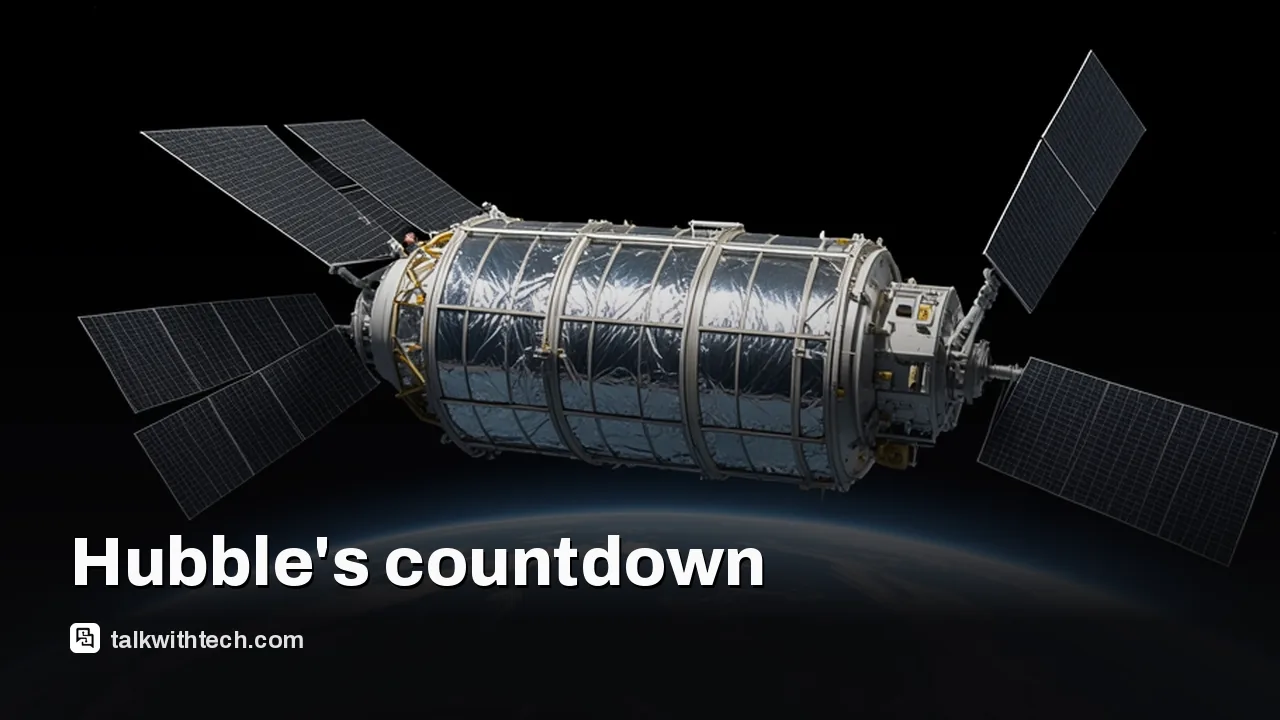
Yes, almost exactly. In 2022 Isaacman, then a private astronaut and not yet NASA’s boss, offered to pay for most of a crewed Hubble visit using a SpaceX Dragon capsule. NASA asked industry for ideas that same year and got eight responses. In 2024 it decided not to go ahead with a reboost.
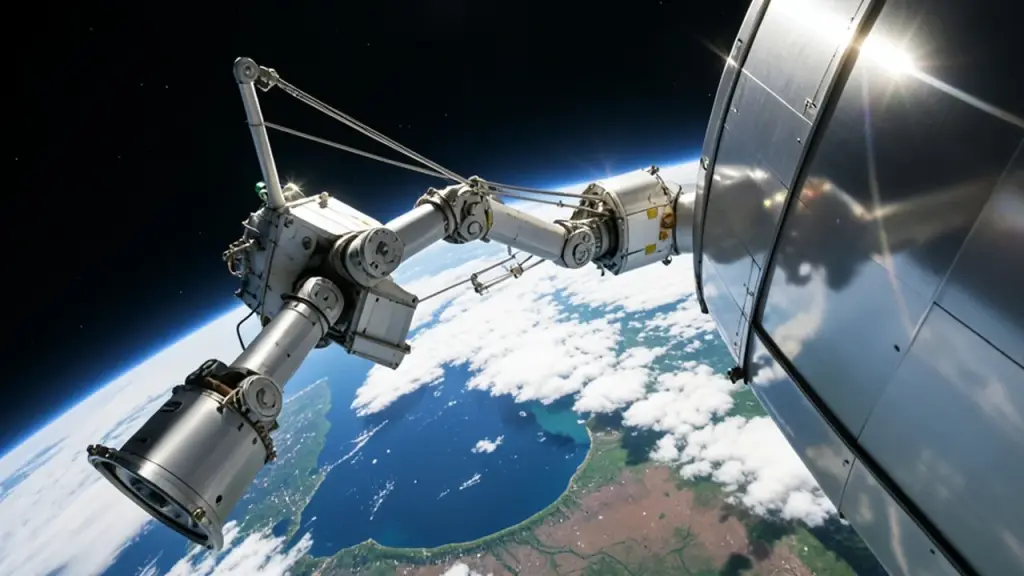
A crewed trip looks less likely this time. Crew Dragon is due to be retired by SpaceX by 2030, and Boeing has already been picked by NASA for extra astronaut flights. Isaacman expects robotics companies to show interest instead, and startups are already raising money for hardware that can refuel and repair satellites in orbit.
One detail helps any robot. On the final shuttle visit in 2009, astronauts fitted Hubble with a soft-capture mechanism, a docking fixture meant to make it easier for a future spacecraft to latch on.
A warning from a smaller telescope
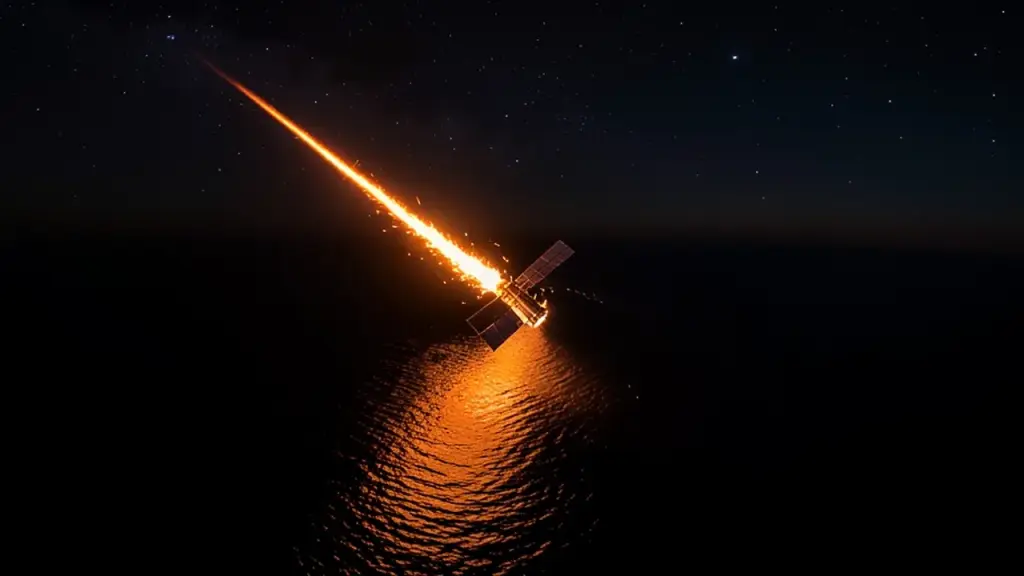
If you want to see how this could go wrong, look at NASA’s Swift observatory. Its science work ended on October 20 after it sank so low, under 275 km, that drag made steady pointing impossible.
NASA had hired a startup, Katalyst Space, to grab Swift and lift it higher. The company’s robotic spacecraft ran into trouble and never reached the telescope. Swift is now expected to come down within days, with most of it burning up, though a few dense parts could survive.
Swift is much smaller than Hubble, and its rescue had a far tighter deadline. Still, it shows that catching an old, engine-less telescope in orbit is hard, and the first attempt by a commercial robot did not work.