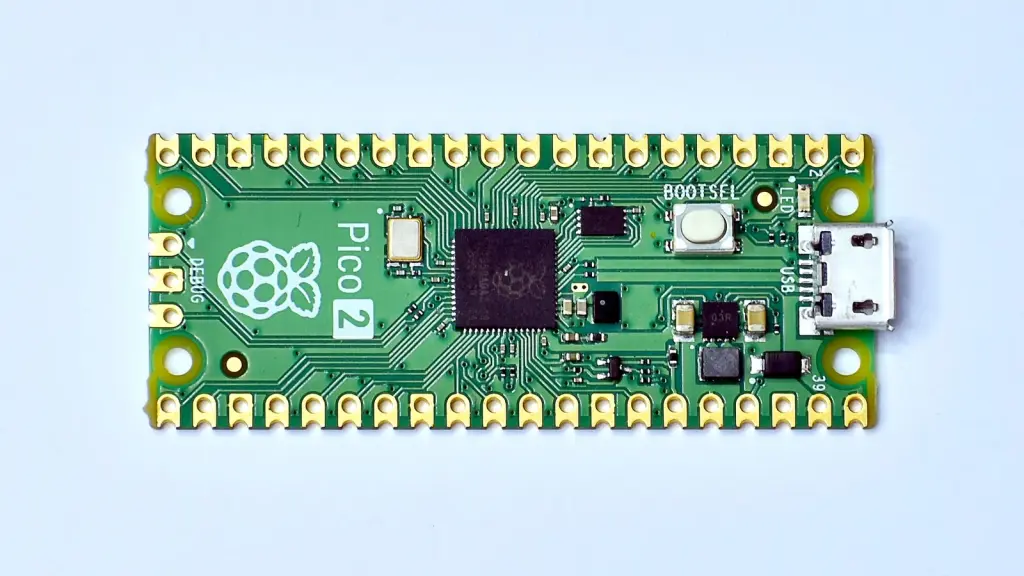
A modder completes a nine-year Xbox 360 voltage glitch hack using a $4 microcontroller, the Raspberry Pi Pico.
The method bypasses the console’s cryptography by triggering precise timing glitches to run arbitrary code.
The project builds on older exploits and uses tools like XeLL and timing files to exploit the CPU’s reset behavior.
The hack highlights how inexpensive hardware can reopen long-closed gaps in legacy systems.
Quick read · 1 min
A nine-year Xbox 360 voltage glitch hack has resurfaced, now enabled by a $4 Raspberry Pi Pico. The tiny board injects nanosecond timing glitches to bypass the console’s crypto protections, letting attackers run arbitrary code on the CPU.
The method builds on a long line of past flaws and uses tools like Octal450 Timing Files and XeLL to patch firmware after dumping the NAND data with PicoFlasher. It shows how affordable hardware can reopen doors in aging systems, though this story is about a proof-of-concept and not a routine guide for users.
What this means for you: if you still use old Xbox 360 hardware, be aware that older devices can still be vulnerable to timing-based exploits. Security on legacy devices isn’t as airtight as modern systems, so keep your hardware updated and avoid installing unofficial firmware. What happens next remains to be seen as hobbyists continue to experiment with inexpensive tools.
The Xbox 360 has a long history of sticking points for hackers, and a recent project brings one of the oldest players back into the picture. A modder finishes a nine-year voltage glitch mod, now powered by a Raspberry Pi Pico that costs about $4. This tiny board is used to inject exact timing glitches into the console’s CPU, bypassing the system’s cryptographic protections and allowing the attacker to run arbitrary code.
Historically, the console’s defenses were closed with a string of major hacks starting in 2006 and evolving through 2011. The new effort leans on those ideas but streamlines the hardware requirements. The hacker connected the Pi Pico to the NAND interface header to dump the console’s NAND flash firmware and used a tool called PicoFlasher to interface with the NAND data. The timing work relies on Octal450’s Timing Files to trigger the glitch chip at just the right nanosecond window. The result is a window of opportunity where the CPU executes the wrong instruction, effectively undermining the cryptographic checks that were meant to keep software on the hardware protected.
To complete the project, the hacker then loads patched firmware (likely XeLL) back onto the console. The end product mirrors older efforts but does so with a modern, inexpensive toolchain. The Pico, a tiny $4 microcontroller, replaces earlier setups that demanded specialized hardware, soldering, or custom chips. As a reminder, this is a demonstration of a vulnerability in an aging system, not a consumer guide to breaking devices.
Why does this matter now? For one, it shows how low-cost hardware can still redraw the lines around old consoles. It also underscores that even well-protected architectures can fall to timing-based glitches if enough researchers attempt the trick. For everyday readers, the practical takeaway is simple: legacy gaming hardware, even if long out of production, remains a target for modding scenes and hobbyists who want to run homebrew software or bypass certain built-in restrictions. This is not a call to copy or distribute hacks, but a reminder of how software and hardware security can become brittle over time when old interfaces persist.
What’s next? Expect more retro gaming communities to test the limits of cheap microcontrollers against classic consoles. The story also raises broader questions about how hardware security ages and what that means for preservation efforts and modding cultures that keep old systems alive.