Wednesday, 28 October 2026

Apple October 13 event teases a 6‑inch smart home hub

The rumored hub arrived as HomeView, a $299 smart display with a 7-inch screen, alongside a new HomePod mini, Apple TV 4K and LG-built security gear.

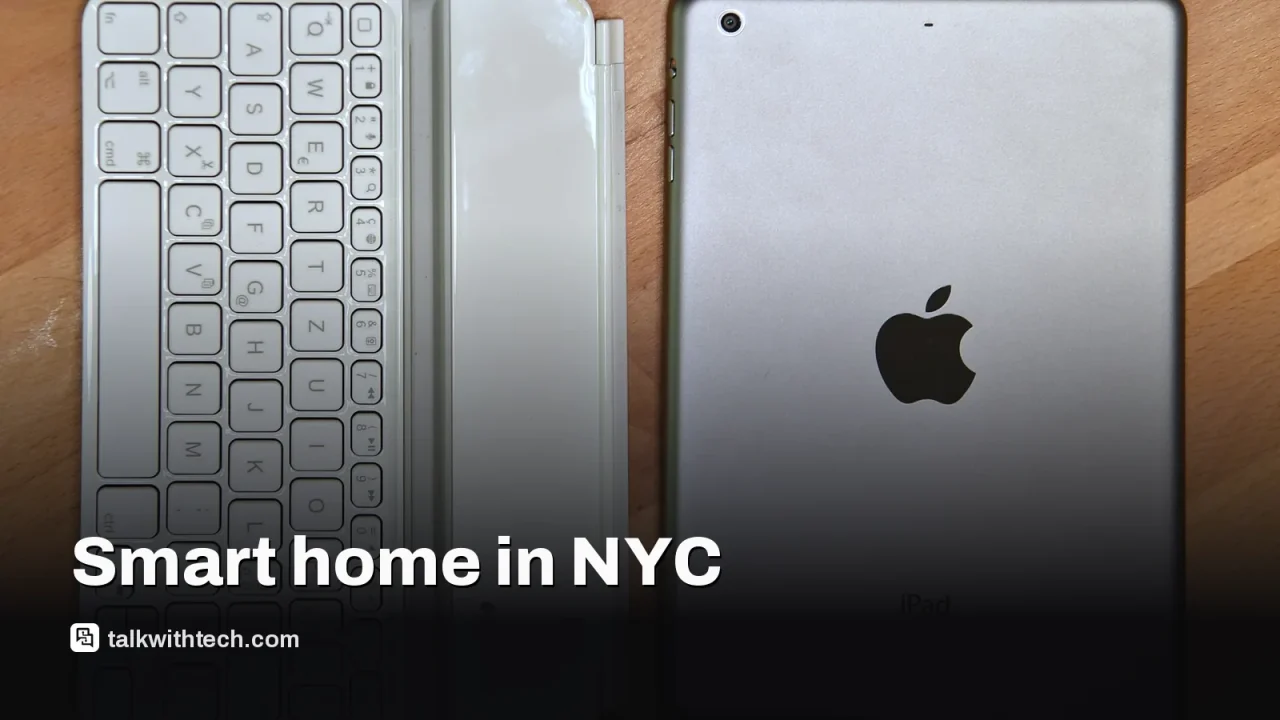
iPad mini, related to: Apple October 13 event teases a 6‑inch smart home hub
Photo: Amada44 / CC BY-SA 3.0 (modified)

The short version

  • Apple's October 13 "Welcome home" launch came as press releases plus a hands-on press event in Tribeca, New York.
  • The rumored hub became HomeView, a $299 smart display with a 7-inch screen that recognizes up to six people by face.
  • HomePod mini 2 costs $149 and ships October 30, while HomeView and the new $299 Apple TV 4K arrive November 13.
  • A new Apple Home Collection, built with LG and Schneider Electric, adds a $349 smart lock, a $249 doorbell, cameras and thermostats.
Quick read · 1 min

Apple's October 13 "Welcome home" launch delivered the smart home hub that had been rumored for years. It is called HomeView: a $299 smart display with a 7-inch screen (not the 6-inch one rumored) that recognizes up to six family members and shows each their own apps and info.

Apple also launched the $149 HomePod mini 2, a $299 Apple TV 4K with built-in microphones for hands-free Siri, and the Apple Home Collection of cameras, a doorbell, a lock and thermostats made with LG and Schneider Electric.

  • HomePod mini 2 ships October 30.
  • HomeView and Apple TV 4K arrive November 13.
  • LG's $349 hands-free smart lock comes to the US and Canada in December.

All of it runs on Siri AI, Apple's rebuilt assistant, though the HomePod mini 2 gets it in a later update. HomeView is not coming to the EU for now.

For months, the rumor was a 6-inch square screen. What Apple actually unveiled on October 13 was bigger: HomeView, a 7-inch smart display on a domed speaker base that knows who is standing in front of it. It was the centerpiece of Apple’s “Welcome home” launch, which also brought a new HomePod mini, a faster Apple TV 4K and the company’s first line of own-brand security gadgets.

If you have an Apple-heavy household and a patchwork of smart plugs, cameras and speakers, this is Apple’s most serious attempt yet to tie them together. It is also Apple’s most direct challenge yet to Amazon and Google, which have long set the pace in the smart home. Here is what was announced, what it costs and when you can get it.

01

How the Apple October 13 event played out

The October 13 launch was not a classic keynote. Apple’s marketing chief Greg Joswiak teased the date with a short “Welcome home” video a few days earlier. On the day, Apple put out a set of press releases and hosted an “Apple Experience” for reporters in Tribeca, New York, at 9 a.m. Eastern, where they could try the products in a staged smart home.

The common thread was Siri AI, the rebuilt version of Siri that launched in beta in September. Apple describes it as a new Siri built on its latest Foundation Models, able to hold a more natural conversation and draw on personal context. That upgrade is the reason the home push happened now: the hub had reportedly been ready to go as early as 2025 but was held back by Siri’s delays.

Two expected products did not show up. The OLED iPad mini that some reports linked to the event was not announced, and neither were the M6 MacBooks, which Bloomberg’s Mark Gurman says are still due in October.

HomePod, related to: Apple October 13 event teases a 6‑inch smart home hub
Photo: KKPCW / CC BY-SA 4.0 (modified)
02

HomeView: Apple’s first smart display

HomeView pairs a 7-inch screen with a speaker base, joined by a stainless steel hinge so the display can tilt. The look recalls the old iMac G4. A wall-mounted version is just 0.39 inch thick and is meant for hallways and entryways.

Its party trick is recognizing up to six members of a household by their faces. Each person gets their own Home Screen of apps and widgets. Private information from Messages or Calendar only appears when that person is recognized and has an iPhone or iPad close by that was unlocked recently. Guests and everyone else still get the shared music and photo albums.

Inside is Apple’s A18 chip, a 12-megapixel Center Stage camera for FaceTime, and four microphones. It works with HomeKit and Matter accessories, so lights, locks and thermostats you already own should show up on its dashboard.

Both versions cost $299 in the US and £299 in the UK. The tabletop model comes in rose pink, space gray, starlight or silver. The wall version needs a separate Schneider mount, starting at $59.95 for a USB-C model and rising to $129.95 for a Power over Ethernet version that arrives in early 2027.
03

HomePod mini 2 and the new Apple TV 4K

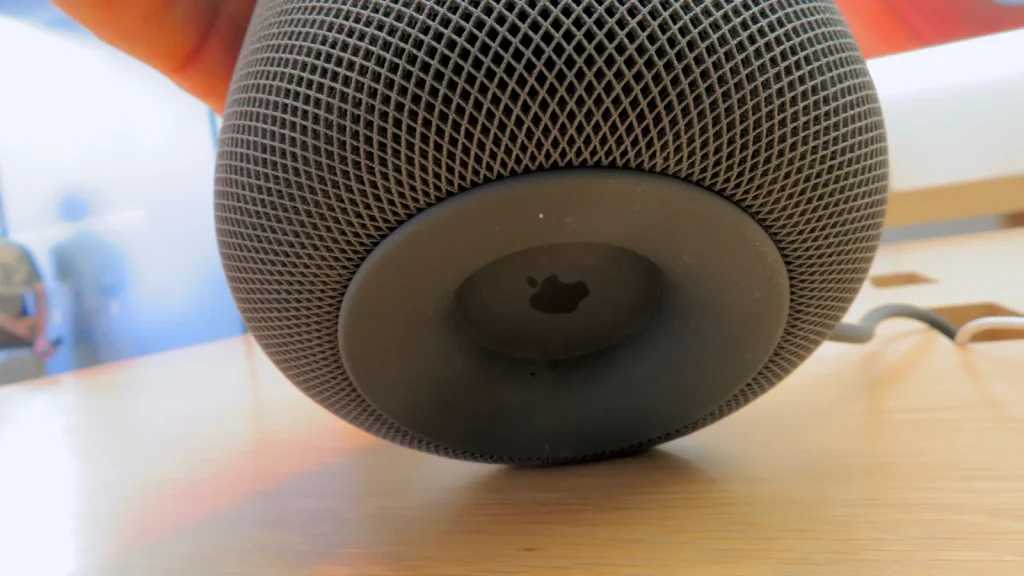
The HomePod mini 2 is the first update to the small speaker since the original arrived in 2020. It keeps the ball shape, adds an S10 chip and adjusts its sound to the room in real time. It comes in midnight, white, blue, green or pink, and costs $149. One oddity: Siri AI will not be on it at launch. It arrives in a later software update.

The fourth-generation Apple TV 4K, at $299, gets an A19 chip that Apple says is up to 50% faster on the processor side and twice as fast on graphics than the last model. This is the first Apple TV with its own far-field microphones (three of them), meaning you can talk to Siri without picking up the remote. You can ask follow-up questions about a show while it plays, and answers appear in a small overlay instead of taking over the screen.

Pair four HomePod mini 2 speakers with the new Apple TV and you get a surround sound setup that tunes itself to the room. The Siri Remote also gains Find My with Precision Finding, which should end the search under the couch cushions.

A smart home hub in a living room setup
04

The Apple Home Collection, built with LG

Apple has always relied on other brands for smart home hardware. Now it has its own branded line, co-developed with LG Electronics and Schneider Electric and sold as the Apple Home Collection. The range includes two thermostats, a door lock, a video doorbell and several security cameras.

The most interesting piece is LG’s $349 deadbolt. It supports Apple Home Key with hands-free unlocking: walk up with your iPhone in your pocket and the door opens. There is also a keypad and a hidden physical key. It reaches the US and Canada in December.

The $249 LG doorbell has two cameras, one facing visitors and one pointing down at packages. It is coming to the US, Canada and the UK, though Apple has not given a date. Everything in the line sets up with a tap of your iPhone, runs in the Home app with no extra accounts, and sends camera footage end-to-end encrypted.

05

What it means for your home and wallet

For most people, the question is whether to buy into Apple’s version of the smart home or stay with Amazon or Google. Apple’s pitch is privacy and simplicity: no third-party apps, encrypted video, and personal data that only appears for the right person. The cost is that you get the most out of it if everyone in the house uses an iPhone.

There are limits. HomeView will not be sold in the European Union for now, because Siri AI is not available on iOS there. And Siri AI only reaches full strength with a paired iPhone or iPad that supports Apple Intelligence; others get the general knowledge features.

06

Quick answers

What did Apple announce on October 13?

The HomeView smart display, HomePod mini 2, a fourth-generation Apple TV 4K and the Apple Home Collection of cameras, a doorbell, a lock and thermostats built with LG and Schneider Electric.

When can I buy HomeView and HomePod mini 2?

Preorders opened October 13. HomePod mini 2 arrives October 30, and HomeView and the Apple TV 4K follow on November 13.

Was the 6-inch home hub real?

Yes, but it grew. The rumored 6-inch hub launched as HomeView with a 7-inch screen and a $299 price.

You're reading the quick version.