Thursday, 8 October 2026

Smart Home explained: what it is and what it means for you

A plain-English guide to smart home tech, how it works, and what recent news means for your everyday life.

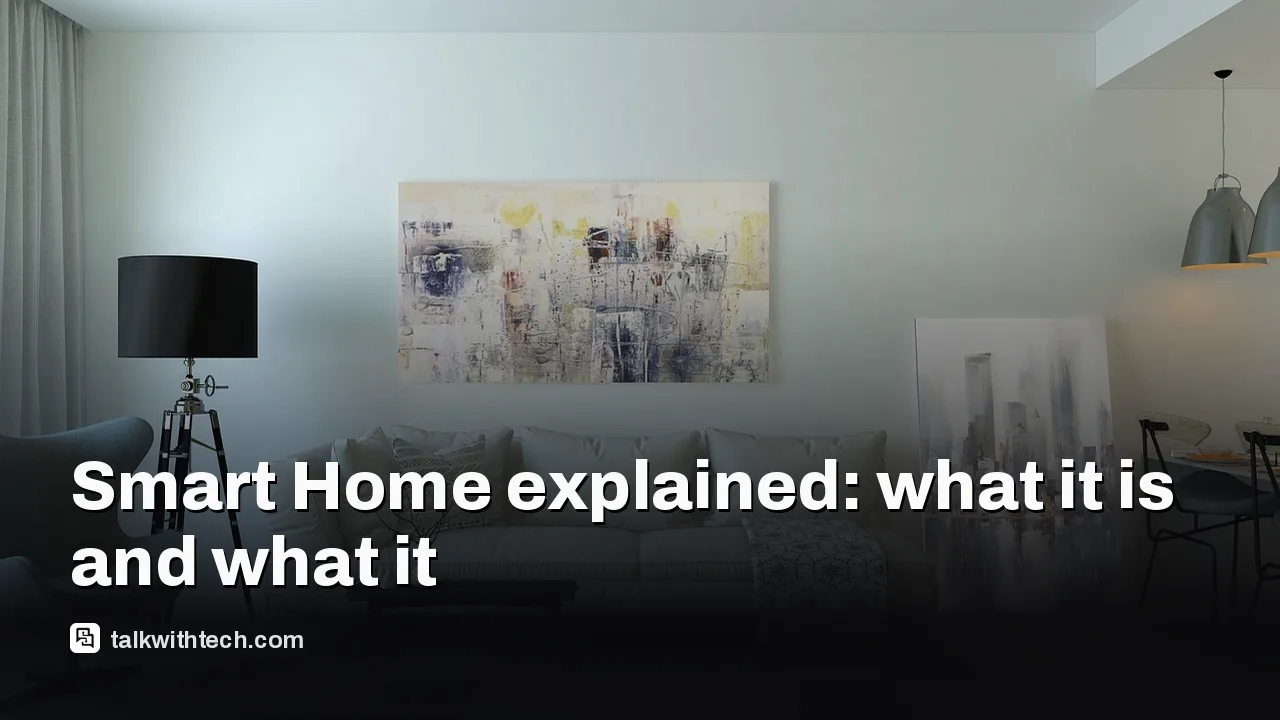
Living room with smart lights, thermostat, and cameras

The short version

  • Smart Home means using connected devices to automate and control your home, often through a single app or voice assistant.
  • New features like AI-powered assistants and power-backup locks are expanding what smart devices can do, but they still depend on backups, batteries, and internet access.
  • Recent news highlights ongoing growth and interoperability efforts, including partnerships and standardization efforts like Matter and Thread.
  • For everyday users, expect easier control at home, but also potential limits on reliability, privacy considerations, and the need to keep devices charged or backed up.
Quick read · 2 min

Smart Home means connected devices in your house that you control from one app or by voice. It’s built to make everyday tasks easier, like turning on lights, adjusting the thermostat, or checking cameras, often using routines that run on their own.

Why it matters now: new AI features aim to make control more natural, and hardware like a smart lock with a built‑in power crank shows how devices are evolving to avoid getting locked out during a battery failure. Interoperability efforts like Matter and Thread are helping devices from different brands work together.

What this means for you: you’ll have more choices and simpler setups, but you should pay attention to battery life, privacy, and whether your devices actually work together. When in doubt, check compatibility with your current ecosystem before buying.

  • Expect easier control and smarter routines
  • Backups matter for access during outages
  • Interoperability is expanding across brands
Smart Home refers to a system where your everyday devices, lights, locks, cameras, thermostats, and more, talk to each other and you can control them with a single app, voice, or automation. It’s not about one gadget doing everything, but about a network of connected devices that make your home easier to manage.

01

How it works

Most smart home gear connects over Wi-Fi or a dedicated network (sometimes called a hub). Standards like Matter and Thread help devices from different brands work together so you aren’t locked into one company. You control things via an app, a voice assistant, or routines that run automatically, like turning on lights when you enter a room or adjusting the thermostat at a certain time.

Smart lock with a built-in hand crank
02

Why it’s in the news right now

Three recent ideas illustrate the current trend: a newer, AI-powered assistant that aims to manage home routines better (Alexa Plus), a smart lock with a built‑in hand crank to power it during a dead battery, and a potential Apple-LG collaboration on a family of smart home devices sold under LG branding. These updates reflect ongoing efforts to make smart homes more capable, more reliable, and more interoperable across brands. They also show how manufacturers balance convenience with privacy and security concerns.

03

What this means for you

If you already use smart home gear, you’ll likely see improvements in how routines run and how you interact with devices in the kitchen or around the house. The new Ring smart lock, for example, includes a built‑in crank that generates power to unlock when the battery dies, offering a back‑up way to get in without a key. That kind of feature can be handy for trips or power outages, but it’s still a backup, not a substitute for regular charging. For shoppers, the trend toward interoperability means you’ll have more options to mix and match devices from different brands while still controlling them together.

Smartphone
04

What to watch next

Keep an eye on how brands handle privacy and security as devices multiply. Look for updates around Matter and Thread compatibility, as well as any official statements about new hubs or control centers from major players. If you’re shopping, consider devices that support your existing ecosystem (for example, whether they work with your current voice assistant) and check how batteries and back-up power are handled.

05

Quick answers

What is a smart home exactly?

It’s a set of internet-connected devices you control or automate, so you can manage your home with an app, voice, or routines.

Do I need to replace my devices to use standards like Matter?

Not necessarily. Many new devices are designed to work with Matter or Thread, helping different brands talk to each other, but you’ll want to verify compatibility before buying.

You're reading the quick version.